
Here's the thing: most couples have never actually talked about using a vibrator during sex. Which is wild, because most couples are also not having the sex they actually want.
I work with couples on exactly this tension. The fear isn't usually about the vibrator itself. It's about what introducing one says about the relationship, what it implies about desire, and whether one partner will feel replaced or inadequate. Those are real worries. They're also almost never what actually happens.
Let's walk through the real version.
Why partners resist, and what that actually means
When someone says they're hesitant about a partner using a lemon vibrator during sex, what they're often really saying is one of three things:
"I worry it means you don't want me." This one comes up constantly. If your partner needs a vibrator to orgasm, the brain goes: I am not enough. Here's the truth that changes everything: clitoral orgasm and partnered penetration are two entirely different neurological events. They don't compete. A person can love their partner, want their partner, and still need external stimulation to reach orgasm. Those aren't opposites. They're facts of anatomy.
"I don't know how to use it, so I'll do it wrong." Fair worry. Vibrators aren't intuitive for everyone, especially if you've never held one. But there's zero pressure to do anything. Your partner can hold it. You can guide their hand. You can take turns. There's no right way except the way that feels good.
"This feels clinical, not sexy." I get this one too. Bringing an object into bed can feel like you're solving a problem instead of connecting. But here's what shifts that: if you frame it as "let's explore what feels amazing for you" instead of "we need to fix this," the entire energy changes. You're not problem-solving. You're collaborating on pleasure.
The conversation actually works when you do this
Don't ambush your partner with a lemon clitoral vibrator on the nightstand.
Do have the conversation outside of the bedroom. Somewhere you're both calm and clothed. It goes something like this:
"I've been thinking about trying something that might feel incredible for me during sex. There's this thing called a lemon vibrator, and it's designed for clitoral stimulation. I'm curious about it, and I'd love for us to explore it together if you're open to it."
Wait. Let them respond. Don't fill silences with reassurance. If they ask questions, answer them honestly. If they're hesitant, ask why. Half the time, the hesitation dissolves the moment they understand it's not about them.
If your partner is still nervous, offer a compromise: "Let's just look at it together first. No pressure to use it right away. I just want you to see what it actually is."
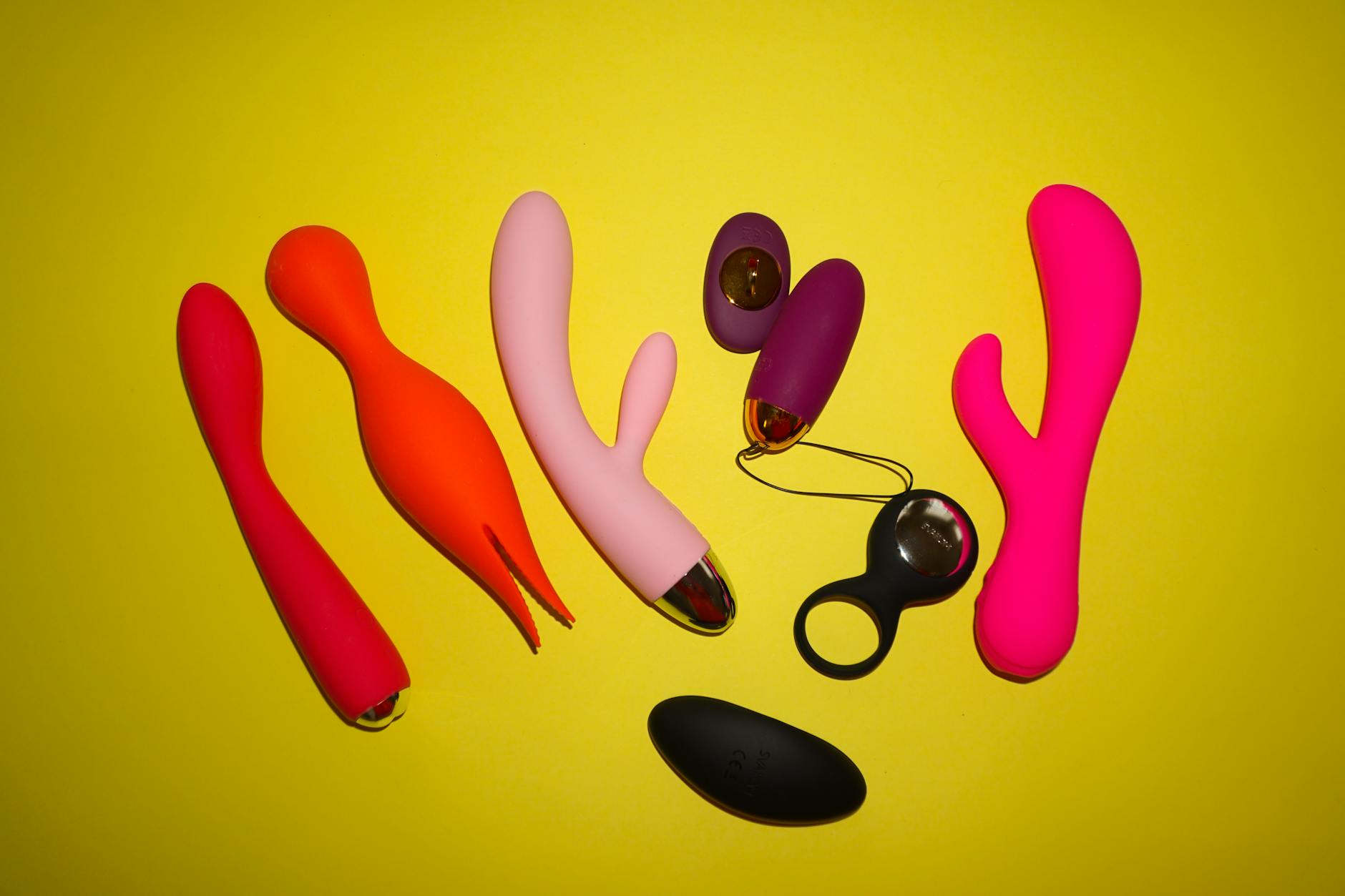
Photo by FounderTips on Pexels
Demystifying helps. Most people imagine something clinical or intimidating. A lemon vibrator is just a smooth, curved device designed to fit your anatomy. Seeing it, touching it, understanding its actual shape and weight makes it less scary.
What actually works in practice
Once you both agree to try, here's what the research and my work with couples shows actually works:
Use it during foreplay, not as the main event. A lemon sexual toy works best when you're already aroused. You're kissing, touching, building tension. Then you introduce it. It's an addition, not a replacement. Your partner is still involved. They're watching, touching you elsewhere, or using it on you themselves.
Let your partner hold it first. This flips the script entirely. Instead of you using it on yourself, your partner gets to explore it on you. They feel the sensation. They control the rhythm. They see what makes you respond. That's intimacy. That changes the entire emotional tone from "I need this" to "I get to do this for you."
Start with lower intensity. A lemon clitoral vibrator has multiple settings. Many partners assume you want it at full power. You don't. Start at the lowest setting. Build from there. This also means your partner isn't wrestling with a jackhammer.
Talk through it. Not in a clinical way. Just: "That feels amazing," or "A little slower," or "Right there." Your partner is not a mind reader, and they're not supposed to be. Feedback is sexy because it means you trust them enough to be honest.
The pleasure math nobody talks about
Here's what shifts in couples who integrate toys:
They have more orgasms. Both people. The person with the vibrator orgasms more reliably. But the partner also reports more satisfaction because they're not stressed about "getting the job done." Sex becomes about mutual exploration instead of performance.
They feel closer. Vulnerability increases when you ask for what you actually need. When your partner says yes to that, it deepens trust. When you both orgasm, the neurochemistry is the same: oxytocin, dopamine, a sense of bonding. It doesn't matter how you got there.
They communicate better overall. This one conversation often ripples into other conversations about what you both want. You've broken through the shame barrier. Talking about lemon vibrators makes it easier to talk about everything else.
They're both happier. This is not complicated. People who have reliable pleasure are happier in their relationships. Full stop.
What if your partner still says no
Respect that. You don't get to unilaterally decide what happens in your shared intimate life. But also: explore why. "No, I don't want that" is different from "I'm scared." "I feel inadequate" is different from "It turns me off." Understand the real concern. Sometimes it's something you can work through together. Sometimes it's a boundary you both need to respect.
That said, you're allowed to have your own pleasure. If your partner isn't interested in participating, using a lemon vibrator on your own is still your choice. Your pleasure matters even if they're not directly involved.
If this becomes a larger pattern where your partner consistently refuses to engage with your needs, that's a relationship issue that might benefit from a couples therapist. I say that not to alarm you, but because I've watched couples transform when they get professional support around intimacy.
The first time is awkward. That's fine.
Almost every couple reports that the first time using a lemon vibrator together feels slightly weird. Your brain is doing three things at once: focusing on sensation, managing self-consciousness, and trying to enjoy the moment. That's normal. It's not a sign something's wrong.
The second time is better. By the third time, it's integrated into what you do. It becomes just another way you pleasure each other.
The lemon vibrator isn't magic. It's a tool. What makes it actually work in a partnership is curiosity, honesty, and the willingness to prioritize each other's pleasure. If you both have those things, the conversation is easier than you think. And what comes after is worth the initial awkwardness.
FAQ: Can You Use Lemon Vibrators With a Partner
Will using a vibrator with my partner make them feel inadequate?
Not if you frame it right. The key is separating anatomy from worth. You're not saying "I need this because you're not enough." You're saying "I need this because my body works this way." Partners who understand that clitoral stimulation is a separate pathway from partnered stimulation don't take it personally. If yours does, that's a conversation worth having about what insecurity is actually at play.
Can you use a lemon clitoral vibrator during intercourse?
Absolutely. A lot of couples use a lemon vibrator against the clitoris during penetrative sex. It combines two types of stimulation and often makes orgasm faster and more intense for the receiving partner. The vibrator doesn't interfere with penetration if you angle it correctly. Let your bodies find the comfortable position.
What if the lemon vibrator is too intense for partnered play?
Turn it down. Lemon sexual toys have multiple settings for this exact reason. Start low, communicate, adjust. If it's still too intense even on the lowest setting, a different lemon adult toy with less vibration force might work better for you. Everyone's sensitivity is different.
Should I ask permission before bringing a vibrator into the bedroom?
Yes. This isn't about permission in a restrictive sense. It's about consent and mutual enthusiasm. The conversation opens the door. It shows respect. It also gives your partner time to process instead of being surprised mid-intimacy. That's just good partnership.
Can my partner use the lemon vibrator on themselves during sex with me?
Of course. Some partners use a vibrator on themselves while you're inside them, or while you're stimulating them in other ways. Some people use it before sex to warm up. There's no rule. If it feels good and you both consent, it's on the table.
What's the best way to introduce a lemon vibrator if my partner has never used one before?
Start outside the bedroom. Let them see it, hold it, understand it's just a tool. Then, when you do use it during sex, keep the first experience low-pressure. You can hold it. You can guide. You can take breaks. The less it feels like a performance, the more natural it becomes.
The real shift
Using a lemon vibrator with a partner isn't about the device. It's about saying "my pleasure matters and I want to share that with you." When a partner receives that message and responds with curiosity instead of defensiveness, something shifts. Sex stops being about obligation or proving something. It becomes about genuine collaboration.
That's the conversation worth having. And once you've had it, everything else follows naturally.
If you're navigating relationship transitions around intimacy and could use some guidance, reach out. I'm here to help couples build the connections they actually want. You can get in touch anytime.