Let's name what's actually happening
You probably weren't born feeling weird about your own pleasure. That part got added later. Maybe from parents who didn't talk about bodies. Maybe from a partner who made you feel like wanting things was too much. Maybe from years of absorbing messages that good women don't think about sex too often, or that asking for what you want is selfish. Shame is learned, and it's incredibly common. The relief is that it can also be unlearned.
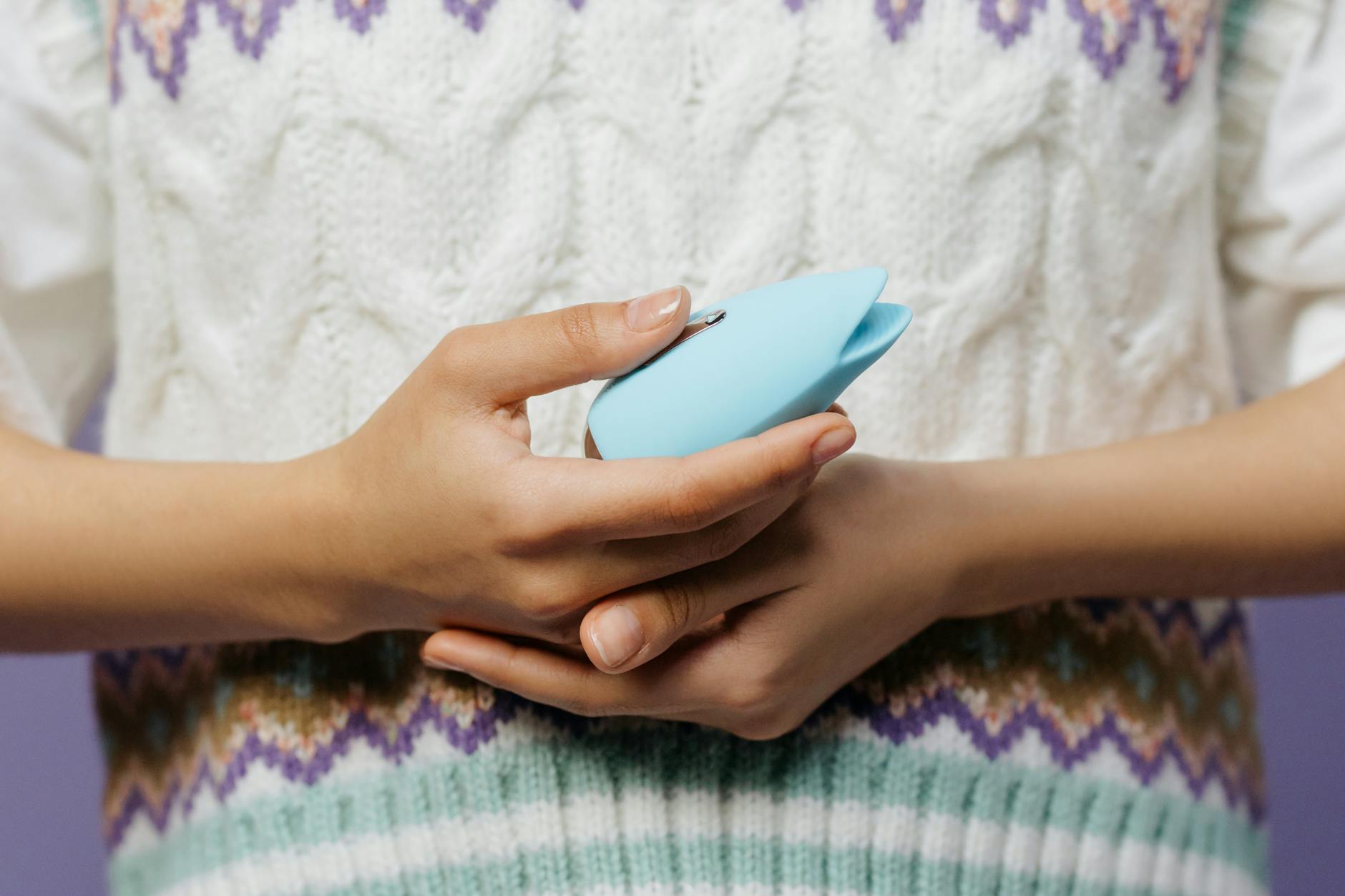
Here's what I've noticed with clients who feel self-conscious about solo pleasure: they often describe a disconnect between what their body wants and what they think they're allowed to want. A lemon vibrator, specifically tools like the clitoral vibrator with suction technology, can help bridge that gap because the experience feels so different from traditional vibration that it essentially gives you permission to start fresh.
Why shame around pleasure sticks around
Self-consciousness about desire typically comes from one of three places. First, messaging that your pleasure is less important than someone else's. Second, the belief that wanting to touch yourself is somehow less legitimate than partnered sex. Third, a history of feeling judged or unsafe when expressing physical needs.
The tricky part is that shame doesn't respond well to logic. You can intellectually know that masturbation is healthy and normal and that your pleasure deserves attention, and still feel awkward or guilty when you actually do it. That gap between knowing and feeling is where a lot of people get stuck.
What helps is creating a different physical experience. When you use a tool like a lemon clitoral vibrator, the suction sensation is distinctive enough that it doesn't feel like something you're "supposed" to do. It feels new. That newness can actually quieten the critical voice that's been running commentary on your choices.
The permission structure that lemon vibrators create
I notice this pattern in my practice: when someone tries a clitoral suction toy for the first time, they often describe it as less "sexual" and more "functional." That might sound clinical, but it's actually generous. It means you can approach it with curiosity instead of performance. You're not trying to replicate porn or meet some standard. You're just exploring what feels good.
Lemon vibrators work within this permission structure for a specific reason. The suction sensation is gentler on sensitive tissue and requires different positioning than traditional vibrators. That physical difference forces you to pay attention to what your body is actually saying rather than defaulting to a familiar script. You have to experiment. You have to notice. That attention is where shame starts to dissolve.
Starting without the weight of history
If you've felt self-conscious about pleasure for years, solo exploration might be tangled up with old feelings. Trying a lemon vibrator gives you a reset point. It's not tied to past relationships or old scripts about what sex "should" look like. It's just this one sensation, this one moment, this one tool.
I recommend approaching it like you would a new hobby. Not as "fixing" yourself or "finally" getting pleasure right, but as curiosity. What does this feel like? Where on my body feels best? What pressure and pattern work for me today? These questions are invitations, not demands. There's no performance, no goal, no way to fail.
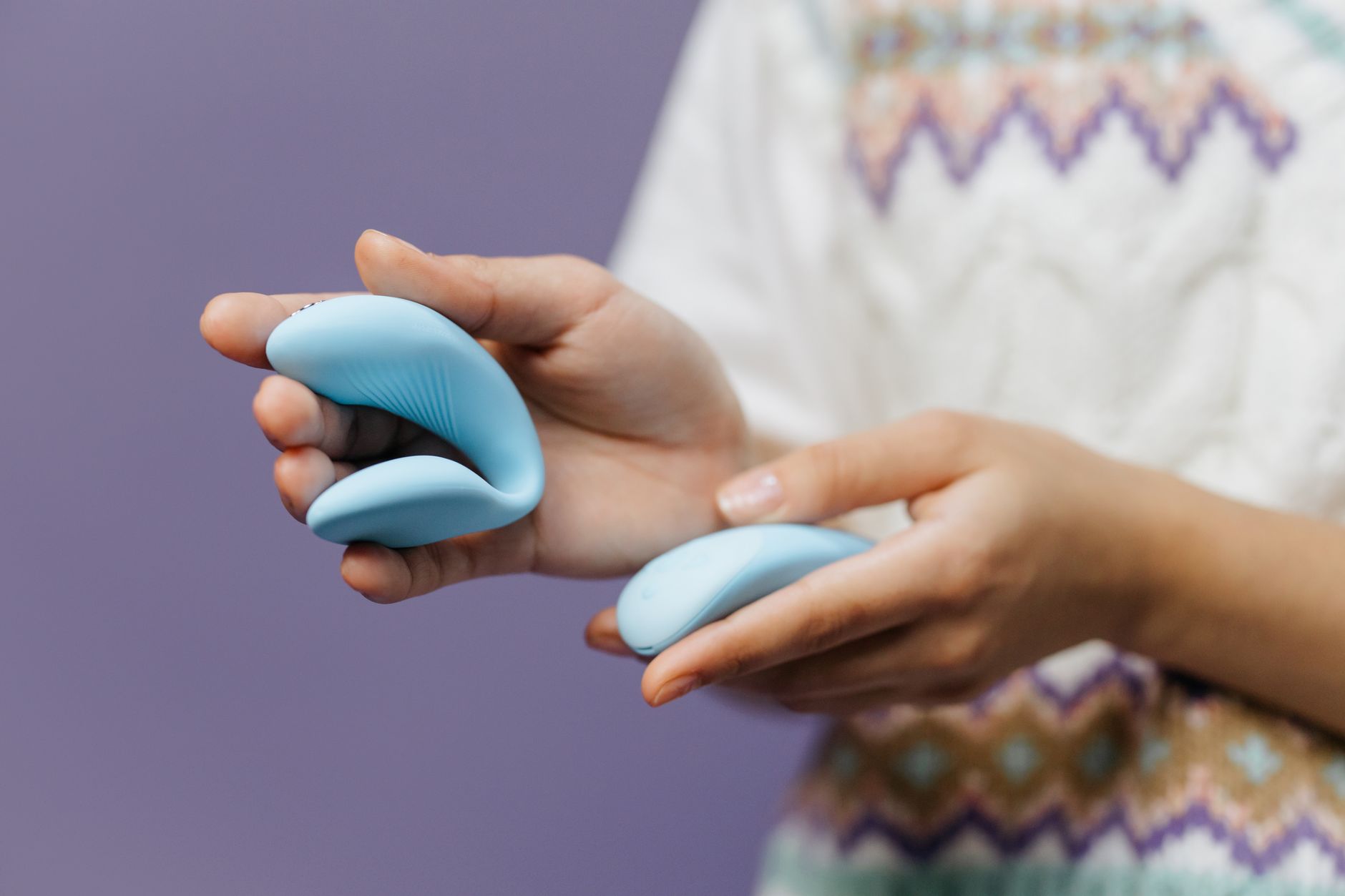
Photo by cottonbro studio on Pexels
What changes when you stop waiting for permission
One of the most interesting shifts I see in clients is what happens when they claim their own pleasure as non-negotiable. Not selfish. Not indulgent. Non-negotiable. Like sleep or good food. This isn't spiritual bypassing. It's a practical recognition that when you're attuned to your own body's capacity for good sensation, you show up differently in the rest of your life.
You're less resentful. Less numb. More able to communicate what you actually want because you've practiced knowing what that feels like. <a href="/blog/how-to-use-lemon-vibrator-for-solo-pleasure-when-partner-isnt-interested">Learning to explore pleasure solo</a> isn't a workaround for partnership. It's foundational self-knowledge.
Using lemon clitoral vibrators as part of this reclamation is practical because the tools themselves are straightforward. You don't need to build a narrative around them. You don't need to justify them. They're designed to feel good on human bodies. That's the entire point. The simplicity can be liberating.
The physical reality of reduced shame
There's actual neuroscience here. When you experience pleasure without the overlay of criticism, your nervous system registers that differently than pleasure mixed with guilt. Over time, repeated experiences of "I enjoyed this and I don't feel bad about it" create new neural pathways. Shame requires repetition to stay strong. So does its opposite.
This is why I tell clients that consistency matters more than intensity. Using a lemon vibrator once a month while feeling conflicted will always be mixed with tension. Using one once a week while experimenting and being curious will, over time, reshape your baseline relationship with your own desire.
It's not magic. It's just biology. Repeated experience without judgment literally rewires how your brain processes pleasure.
When self-consciousness is tied to a partner
Sometimes shame around pleasure shows up because a partner has made you feel uncomfortable about solo sex, or has been critical about how you touch yourself, or has implied that wanting to explore is somehow a reflection on them. This is worth taking seriously. <a href="/blog/how-to-use-lemon-vibrator-with-a-partner-who-is-anxious-about-it">If you're navigating a partner's anxiety about toys</a>, that's a separate conversation. But here's the thing: your pleasure is yours first. It belongs to you before it belongs to any partnership.
Reclaiming that ownership often starts in private. A lemon vibrator in your own space, on your own time, is a reclamation practice. It's you telling your body that its pleasure matters regardless of whether anyone else is watching or involved.
That clarity tends to make conversations with partners easier, not harder. When you know what you want and you're comfortable with it, you can talk about it from a grounded place instead of a defensive or apologetic one.
Making space for slow reconnection
If you've been disconnected from pleasure because of shame, rushing into intensity won't help. The goal isn't to have the most earth-shattering orgasm. The goal is to rebuild trust with your own body. That happens in small increments.
Start with exploring sensation with no expectation of orgasm. Try different settings on a lemon clitoral vibrator. Try different patterns. Notice what makes you want to lean in and what makes you want to stop. All of this information is gold. You're learning your own body's language. <a href="/blog/how-lemon-vibrators-help-when-clitoral-arousal-feels-inconsistent-or-unpredictable">Clitoral arousal is inconsistent sometimes</a>, and that's fine. The point is presence, not performance.
This reconnection is its own form of pleasure. The warmth of paying attention to yourself. The relief of not judging what you find. The simple fact of being alone with your own body and deciding that it's worth your time.
The role of privacy in shame reduction
Self-consciousness thrives in exposure. It shrinks in privacy. One reason lemon vibrators can be so effective for reclamation is that you use them alone. There's no one to perform for. No one to impress or disappoint. Just you and your own capacity for sensation.
Protect that privacy. Keep your toy somewhere that feels safe. Use it when you have time and space that's genuinely yours. The container matters. When you're not watching over your shoulder for interruption or judgment, your nervous system settles and pleasure becomes possible.
Over time, that private practice becomes a foundation. It shifts how you feel about your own body generally. Not just during sex, but in how you move through the world. There's a confidence in knowing that you take yourself seriously.
Moving forward without the old story
Self-consciousness about pleasure is treatable. It requires attention and repetition, but it's absolutely reversible. The clients I work with who shift their relationship with pleasure usually do it through a combination of things: getting clearer on where the shame came from, committing to solo exploration without judgment, and sometimes, having conversations with partners or past relationships that create closure.
But the foundation is almost always a reclamation of private, judgment-free pleasure. A lemon vibrator can be that foundation. Not because there's anything magical about the tool itself, but because it gives you permission to approach your own body with curiosity instead of criticism.
Your pleasure deserves that. You deserve that.
People also ask
Is it normal to feel embarrassed about using a vibrator?
Completely normal. Shame around pleasure is incredibly common because of the way most of us were raised. But normal doesn't mean it has to stay. The more you normalize solo pleasure for yourself, the less charged it becomes. Many people find that shame fades once they have a few experiences of pleasure without judgment attached.
Will using a lemon vibrator make partnered sex weird?
Actually, the opposite. When you know your own body's signals and what you like, you can communicate that to a partner. Solo exploration with tools like clitoral vibrators often makes partnered sex clearer and more satisfying because you know what actually works for you. The shame is usually in the secrecy, not in the tool itself.
Can I use a lemon clitoral vibrator if I've never had an orgasm?
Yes. In fact, many people find that clitoral suction tools feel so different from traditional vibrators that they're less intimidating if you're exploring for the first time. No pressure to perform or achieve. Just exploration with a tool designed specifically for sensitive tissue and subtle sensation.
How do I start if I feel really self-conscious?
Begin by giving yourself explicit permission. Not permission from anyone else, from yourself. Decide that your pleasure matters and that exploring it alone is a legitimate use of your time. Start without expectations of orgasm. Explore sensation first. Use a lemon vibrator in a private moment and focus only on what feels good in your body. Let go of the rest.
What if shame comes back during use?
That's okay. Shame is a habit, and habits take time to break. When the critical voice shows up, notice it without judgment and gently redirect your attention back to sensation. "I'm noticing that thought. Now let me notice how this actually feels." Shame thrives when we argue with it. It fades when we treat it with compassion and keep showing up for ourselves anyway.
Can a partner use a lemon vibrator on me if I feel self-conscious?
Sometimes partnered use can feel safer than solo because there's someone there validating your pleasure. That can be wonderful. But I usually recommend starting alone first so you can separate your own pleasure from anyone else's involvement. Then, if you want to bring a partner in, you're coming from a place of knowing what you like rather than discovering it while being watched.
The bottom line
Self-consciousness about pleasure is learned, which means it can be unlearned. A lemon vibrator is a tool for that unlearning. It's simple, it's designed specifically for sensitive exploration, and it creates space for you to reconnect with your body without the weight of old stories or old shame.
Your pleasure is worth your attention. Start there. Everything else follows.
If you want to talk through some of this or figure out what might work for your specific situation, <a href="/contact">reach out</a>. I'm here to help.