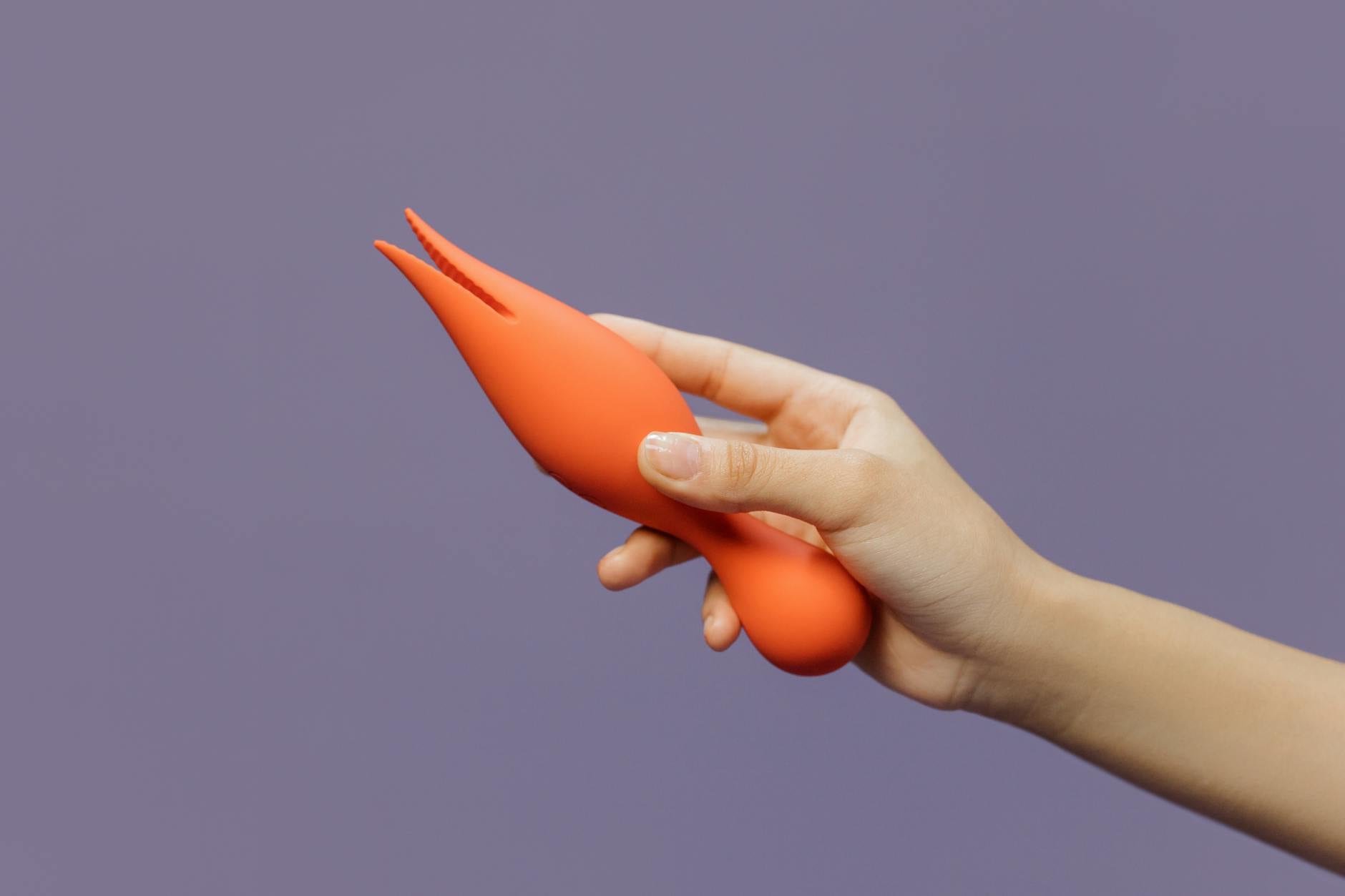
Here's what nobody tells you about pelvic floor tension
Your pelvic floor muscles are chronically clenched. You feel it as a dull ache, a constant vigilance, or sometimes nothing at all until someone touches you there and everything tightens further. The result: arousal flatlines, orgasms feel distant or impossible, and you begin to wonder if pleasure is even still an option for your body.
Tension in the pelvic floor is wildly common and wildly treatable. But most approaches focus on relaxation exercises that take weeks. A lemon clitoral vibrator offers something faster: a way to bypass the tension entirely and rewire the nerve pathways that drive pleasure, starting tonight.
Why pelvic floor tension kills arousal in the first place
Your pelvic floor is a hammock of muscles supporting your bladder, uterus, and bowel. When you're chronically stressed, anxious, or have a history of pelvic trauma, these muscles tighten as a protective reflex. It's like your body's way of saying "I'm not safe down there."
When those muscles clench, several things happen immediately:
Blood flow to the clitoris decreases. Arousal relies on vasocongestion, the process where blood rushes to genital tissue and makes it swell and sensitize. Tension constricts that flow, so even when your brain says "yes," your body doesn't get the signal.
Nerve endings become less responsive. Chronic muscular tension desensitizes the nerves that carry pleasure signals to your brain. You can touch the area and feel almost nothing, or feel pain instead of pleasure.
Your nervous system stays in a low-level fight-or-flight state. A tight pelvic floor signals danger to your vagus nerve, which keeps your whole system on alert. You literally cannot relax into arousal when your body is defending itself.
How suction works differently than traditional vibration
This is the key insight. Traditional vibrators, even good ones, rely on friction and direct pressure. When your pelvic floor is already tense, that pressure triggers the protective reflex again. Your muscles clench harder. You feel worse.
Suction-based stimulation like a lemon vibrator works on a completely different principle. Instead of pressing into tissue, suction gently draws the clitoris upward into a small chamber. This creates a vacuum effect that stimulates all the sensitive nerve endings without the mechanical pressure that triggers tension.
The result: pleasure signals reach your brain without activating the "defend" response in your pelvic floor. Over time, your nervous system learns that this sensation is safe. The muscles gradually stop bracing. Arousal becomes possible again.
The real reason your body won't relax during sex
Most people assume pelvic floor tension is about willpower or relaxation technique. "Just breathe," they say. "Let it go." This misses the point entirely.
Your pelvic floor muscles are reacting to a perceived threat. That threat might be psychological (past trauma, performance anxiety, a relationship that doesn't feel safe). It might be physical (chronic pain, injury, illness). It might be neurological (your nervous system is stuck in a stressed state and needs help recalibrating). Willpower has almost nothing to do with it.
The most effective way to retrain these muscles isn't through forced relaxation. It's through gradually introducing pleasurable sensation that your nervous system registers as safe, over and over, until the protective pattern begins to dissolve. That's where a lemon vibrator becomes genuinely therapeutic.
How to use a lemon clitoral vibrator when pelvic floor tension is high
Start with the lowest setting. Your goal right now is not intensity or orgasm. Your goal is to introduce sensation without triggering the clench reflex.
Set aside 10-15 minutes when you're genuinely alone and won't be interrupted. Your nervous system needs to know it's safe, and that includes freedom from potential intrusion.
Begin with no direct contact. Hold the lemon vibrator about an inch away from your clitoris and let the suction effect work from a distance. You'll feel the pull of the air pressure even without touch. Breathe slowly and notice what happens. Most people report that the tension actually starts to ease because there's no pressure triggering the protective response.
After 3-5 minutes, you can gradually move closer. Let the head of the vibrator lightly rest against you, still on a low setting. The suction will create a gentle drawing sensation. This should feel relieving, not overwhelming.
If you feel your pelvic floor tighten, pause. Don't push through. That tightness is information. It means your nervous system isn't ready for more intensity yet. Sit with the sensation for a moment, breathe, and try again at an even lower setting or with more distance.
Repeat this practice 3-4 times per week. You're not chasing orgasm. You're teaching your body that pleasure can happen without danger. Over 2-4 weeks, most people notice their pelvic floor releases more readily and arousal feels less blocked.
The role of lubrication and tissue care
When your pelvic floor is chronically tense, blood flow to genital tissue is already compromised. Tissue becomes thinner, drier, and more sensitive to irritation. This creates a vicious cycle: dryness makes sensation harder, which increases anxiety, which tightens the pelvic floor further.
Always use a water-based lubricant, even if you think you don't need it. Lubrication isn't a sign of broken arousal. It's basic care that protects thin tissue and helps the lemon vibrator glide without friction.
If you're experiencing significant dryness alongside pelvic floor tension, talk to your doctor. This combination sometimes signals hormonal shifts or other treatable conditions. Topical estrogen creams or other interventions can transform the experience quickly.
When to bring a partner into this process
If you have a partner, this work doesn't require them to be present at first. In fact, solitary practice often works better. Your nervous system relaxes more completely when there's no performance pressure.
Once you're comfortable using a lemon vibrator alone and noticing your pelvic floor release more easily, you can invite your partner to participate. The key: frame it as exploration, not treatment. "I've been learning how my body responds to different kinds of touch. I'd like to try this together" is very different from "My pelvic floor is broken and you need to help fix it."
When you do invite them in, start slow. Maybe they simply hold the vibrator while you guide the pressure and pace. This keeps you in control and prevents the performance anxiety that typically triggers tension.
What to expect as your pelvic floor starts releasing
The first sign is usually relief rather than pleasure. You'll notice your body isn't bracing as hard. Sitting feels easier. Orgasms become possible, even if they're not yet the intense experiences you remember.
Over time, sensation becomes sharper. Textures and pressures you couldn't feel before become clear. This can be surprising or even uncomfortable at first because you're reclaiming sensitivity you'd lost.
Orgasms may feel different than they did before the tension started. They might be smaller, more localized, or take longer to build. This is normal. As your pelvic floor continues to release and blood flow improves, intensity typically returns, often stronger than before.
Most importantly, the anxiety around sex begins to lift. You're no longer bracing for pain. You can actually relax into sensation. That shift alone is transformative.
FAQ
How long does it take for pelvic floor tension to improve with a lemon clitoral vibrator?
Most people notice a shift within 2-4 weeks of consistent practice, 3-4 times per week. Some feel relief within the first session simply because suction pressure feels less threatening than traditional vibration. Full resolution of chronic tension can take 8-12 weeks, especially if the tension is connected to past trauma. Consistency matters more than intensity.
Can a lemon vibrator help if I have pain during sex from pelvic floor tension?
Yes, but start conservatively. Pain is a signal that your nervous system is registering threat. Begin with the vibrator off and just held against you, letting your body adjust to external touch. Then try the lowest suction setting. If pain persists, consult a pelvic floor physical therapist who can assess whether there's structural damage or if this is purely muscular tension. A vibrator is a useful tool but not a replacement for professional assessment when pain is involved.
Is pelvic floor tension the same as vaginismus?
No, but they're related. Vaginismus is involuntary contraction of the vaginal muscles that makes penetration difficult or impossible. Pelvic floor tension is broader—it affects the entire hammock of muscles and can exist without penetration being painful. Both benefit from gradual, pressure-free stimulation and professional support, but vaginismus usually requires work with a pelvic floor physical therapist or sex therapist.
Can I use a lemon sucker if I'm already doing pelvic floor physical therapy?
Absolutely. Many pelvic floor PTs recommend introducing pleasurable sensation alongside the therapeutic work. Check with your therapist about timing and settings, but a lemon clitoral vibrator at low settings often complements PT beautifully. The key is communication with your provider about what you're doing.
Should I feel arousal right away, or is it normal to feel nothing at first?
Feeling nothing is completely normal when pelvic floor tension is high. Arousal is the goal eventually, but the immediate goal is simply to introduce sensation your nervous system registers as safe. Pleasure often comes later, after your body has learned that this touch doesn't trigger threat. Be patient with yourself. You're rewiring years of protective patterns.
Does pelvic floor tension mean I'll never have good orgasms again?
No. This is temporary, even when it feels permanent. With consistent practice, most people recover strong orgasmic response. Some report that their best orgasms come after they've worked through pelvic floor tension, because they've rebuilt awareness of what their body actually needs. You're not broken. You're learning your body in a new way.
The path forward
Pelvic floor tension is your nervous system's way of protecting you. That reflex served a purpose once. Your job now is to gently convince your body that pleasure is safe again. A lemon vibrator, used consistently and compassionately, can be the tool that makes that retraining possible. Start low, be patient, and trust the process. Your body knows how to heal.