
Here's what nobody tells you about vaginismus
Vaginismus isn't a character flaw or a sign that you don't want pleasure. It's a protective reflex. Your pelvic floor muscles contract involuntarily when penetration is attempted (or even anticipated), and the tighter you get, the more you panic, and the tighter you get again. It's a loop. The goal isn't to white-knuckle your way through it. It's to interrupt that loop using tools that calm your nervous system instead of triggering it.
That's where a lemon vibrator comes in. Unlike penetrative toys or even traditional vibrators that demand direct stimulation, a clitoral vibrator using suction technology can help you experience pleasure without the fear component. But only if you use it in a way that works with your body, not against it.
Why a lemon vibrator is different for pelvic floor tension
Vaginismus and pelvic floor dysfunction live in the nervous system. Your muscles have learned that sex equals danger, so they lock down automatically. Most pleasure tools feel like they're demanding penetration or intense sensation. They reinforce the anxiety.
A lemon clitoral vibrator works differently. The suction mechanism stimulates nerve-rich tissue without direct mechanical pressure, and here's the key detail: it's entirely external. There's no expectation of penetration. No internal sensation. That absence of expectation alone shifts something in the nervous system.
Second, the sensation itself is gentler and less aggressive than traditional vibration. Suction feels almost like gentle pulling or a soft rhythm of pressure and release. For people whose pelvic floors are already braced for threat, that quality of sensation often feels less triggering.
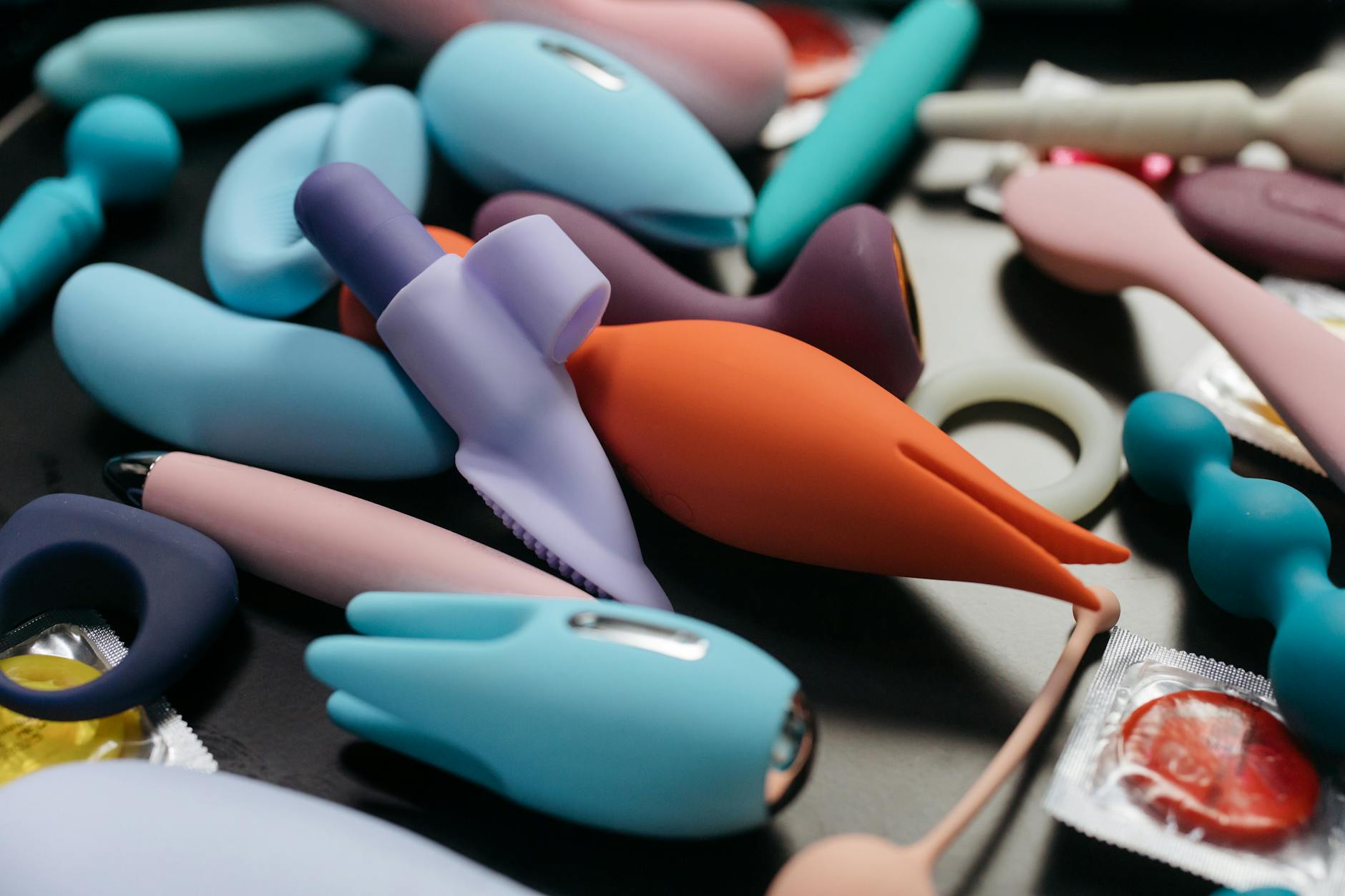
Photo by cottonbro studio on Pexels
Third, a lemon vibrator is quiet and quick. Vaginismus lives partly in anticipation. The longer you're ramping up, the more time your anxiety has to build. Suction toys often produce sensation much faster, which can mean less time spent in the pre-pleasure anxiety zone.
The pelvic floor breathing that changes everything
Before you touch the lemon vibrator, learn to breathe into your pelvic floor. This is non-negotiable for vaginismus work.
Standard advice is "relax your pelvic floor," which doesn't work when your muscles are involuntarily braced. What works instead is directional breathing. Inhale into your belly and imagine your breath traveling down into your pelvic floor. On the exhale, let the floor release slightly. You're not forcing relaxation. You're inviting it.
Practice this for two minutes while lying down, not touching yourself. Just breathing. Your pelvic floor will naturally soften a little on the exhale if you're patient. That's the foundation.
How to start with a lemon vibrator if you have pelvic floor dysfunction
Day one is never about turning the toy on.
Get comfortable in a private space where you won't be interrupted. Lie down or recline, whatever feels safe. Have the lemon vibrator nearby, but don't use it yet. Spend 10 minutes doing the pelvic floor breathing above. Your job right now is just to feel your body calm down.
Next, hold the toy. Don't put it anywhere near your body. Feel the weight of it, the temperature, the shape. This is called desensitization, and it sounds slow because it is. You're teaching your nervous system that this object isn't a threat.
On day two or three, bring the toy close to your vulva. Still not touching. Maybe hover it an inch away. Feel the warmth if it's warm. Breathe. Stay here for 5-10 minutes. The goal is for your pelvic floor to stay soft while the toy is present. That's a win.
On day four or five, use the toy on the lowest setting, touching the outside of your vulva for just 30 seconds. Not trying to orgasm. Not even trying to feel good. Just noticing sensation without judgment. Then stop. Take the toy away. Breathe.
This might sound impossibly slow, and I know it does. But for people with vaginismus, this is what actually works. You're rewiring the nervous system's fear response one small, successful experience at a time.
Building tolerance without triggering the pelvic floor
Once you can handle 30 seconds without tightening, slowly add time. Get to one minute. Then three. Then five. Between sessions, give yourself at least one rest day.
The key sign you're going too fast is that your pelvic floor muscles tense up. You'll feel it as an involuntary squeeze, a sense of bracing, or that familiar panic creeping in. If that happens, stop immediately. It's not failure. It's information. Your nervous system was overwhelmed and needs more time.
Many people find that the lemon vibrator feels good once they've done this slow exposure work. The sensation itself, when there's no fear underneath it, is often pleasurable in ways other toys don't match.
If you're using the toy with a partner, tell them the plan. Tell them you might need to stop quickly. Tell them that stopping fast doesn't mean they did something wrong. Partners often catastrophize too, thinking they're the problem. Clarity helps everyone's nervous system relax.
What to do if pain appears
Pain during any of this is different from anxiety. Anxiety is that "something bad is about to happen" feeling. Pain is physical damage or physical intensity. If you feel pain, stop immediately and see a pelvic floor physical therapist.
Vaginismus and pelvic floor dysfunction often happen together with pain conditions like vulvodynia or endometriosis. You need a professional assessment. A lemon vibrator can help, but only once you know what you're working with.
The role of lube and comfort
Lube isn't just about physical sensation. For vaginismus, it's about removing one more source of potential discomfort. Use a generous amount of water-based lube around the outside of your vulva before you use the toy. It removes friction, cools things down slightly, and one less physical sensation to worry about is one less thing your nervous system has to manage.
Also, wear comfortable clothes afterward. Don't rush back into your day. Lie down for 10 minutes. Let your pelvic floor stay relaxed. You're building a neural pathway that says: "This is safe. My pelvic floor can stay soft." Every calm moment reinforces that.
Combining a lemon vibrator with pelvic floor physical therapy
If you're already working with a pelvic floor physical therapist, tell them you want to incorporate a lemon clitoral vibrator. Some therapists will incorporate it into sessions. Others will give you homework assignments that include it. The therapist's job is to make sure you're using it in a way that supports your healing, not against it.
The research on pelvic floor physical therapy is solid. When combined with techniques that desensitize your nervous system to pleasure, outcomes improve significantly. A lemon vibrator isn't a replacement for therapy. It's a tool that works inside the framework that a good therapist creates.
When to expect progress
Vaginismus and pelvic floor dysfunction don't improve on a tight timeline. Some people feel noticeably better within three to four weeks. Others take three months. The variation is normal and doesn't reflect anything about your commitment or your capacity for pleasure.
What usually happens first is that anticipatory anxiety decreases. You realize using a lemon vibrator didn't hurt. Your pelvic floor didn't involuntarily clench. That win compounds. The next time feels a little safer. And then a little safer again.
Orgasm isn't the goal right now. Calm is. Once your pelvic floor learns that pleasure is safe, orgasm often follows naturally. Rushing to that destination will trigger your nervous system right back into the fear loop.
How a partner can help
If you have a partner, they can be your accountability check-in person without being involved in the pleasure part. You report back: "I did three days this week without my pelvic floor tightening." They cheer. That consistency matters more than speed.
Partners often feel helpless when vaginismus shows up in a relationship. Having a concrete role, even if it's just listening to your progress, helps them feel less isolated too. Vaginismus affects relationships. The reverse is also true: supportive partnerships help vaginismus heal faster.
The bigger picture
Let's be real. If you have vaginismus or pelvic floor dysfunction, pleasure has felt impossible or painful or both. You've probably internalized that something is fundamentally wrong with you. It isn't. Your nervous system is doing its job. It's protecting you. The work is learning to tell it: "I'm safe. We can soften." A lemon vibrator, used slowly and gently, is one of the best tools for that conversation.
Start with breathing. Move to exposure. Build tolerance. Let pleasure emerge naturally. If you're stuck at any point, see a pelvic floor physical therapist. And remember: slow progress is still progress. Your pelvic floor learned tension for a reason. It will learn softness for a reason too.
FAQ
Can I use a lemon vibrator if I have vaginismus?
Yes, if you approach it slowly. A lemon clitoral vibrator is external and doesn't require penetration, which makes it safer than many other toys. But you need to do slow desensitization work first. Starting with the toy off, then on the lowest setting, then building gradually. The key is stopping before your pelvic floor tenses up, so you're teaching your nervous system that pleasure is safe.
How long does it take for vaginismus to improve with a lemon vibrator?
Progress varies. Some people feel noticeably better within three to four weeks. Others take two to three months. It depends on how long you've had vaginismus and how anxious your nervous system is. Consistency matters more than speed. One session a week won't work. Three or four sessions a week, done patiently, will.
What if using the lemon vibrator triggers my pelvic floor to clench?
Stop immediately. You've hit your nervous system's threshold for that day. Take the toy away, breathe into your belly, and try again in two or three days. This isn't failure. It's feedback that you need to slow down. Vaginismus is about the nervous system, not about willpower. Pushing through will make things worse.
Can a lemon vibrator work alongside pelvic floor physical therapy?
Absolutely. In fact, combining them usually accelerates progress. Tell your pelvic floor physical therapist that you're using a lemon clitoral vibrator at home. They can give you guidance on how to use it in a way that supports your therapy goals. Some therapists incorporate toys directly into sessions.
What if I'm still having pain even with slow exposure?
Pain is different from anxiety and needs professional assessment. See a pelvic floor physical therapist or gynecologist who specializes in pelvic pain. Pain could mean vulvodynia, endometriosis, or another condition that needs specific treatment. A lemon vibrator can help, but only once you know what you're treating.
Does my partner need to be involved in using a lemon vibrator for vaginismus?
Not necessarily. Many people work through vaginismus solo first, building safety and calm in their own nervous system. Once you feel confident and pleasure-capable on your own, you can introduce it to partnered sex. Your partner can support your progress without being directly involved in the toy use.
Sources
Pelvic floor dysfunction and vaginismus research draws from evidence-based approaches outlined by the International Society for the Study of Vulvovaginal Disease (ISSVVD), pelvic floor physical therapy protocols, and somatic therapy frameworks for treating trauma-related muscle tension. For personalized guidance, consult a pelvic floor physical therapist or a sexuality educator trained in nervous system regulation.