The timing problem nobody talks about
Your partner reaches for you. You want to want this. But your body is still three steps behind, and the pressure to catch up is real. So you either rush yourself, which feels awful, or you slow them down, which feels like rejection. Neither is actually what's happening, but the gap between their readiness and yours can make both of you feel confused or inadequate.
Honestly? This is one of the most common dynamics I see in long-term couples. It's not about desire disappearing. It's about rhythm mismatch. And it's fixable.
What's actually happening when arousal feels slow
Your partner's arousal curve is steep. They think about sex, their body responds, they're ready. Your arousal curve is gentler. It needs more runway. This isn't a problem with you or them. It's just how your nervous systems are wired differently, and the gap widens when you're tired, stressed, distracted, or when your hormones have shifted.
When they initiate and you're not caught up yet, you're operating from two different starting lines. The natural instinct is for one of you to either rush or negotiate. A lemon vibrator changes the equation entirely. It gives your body a direct route to arousal without requiring either of you to perform or wait awkwardly.
Why a lemon vibrator solves this specific problem
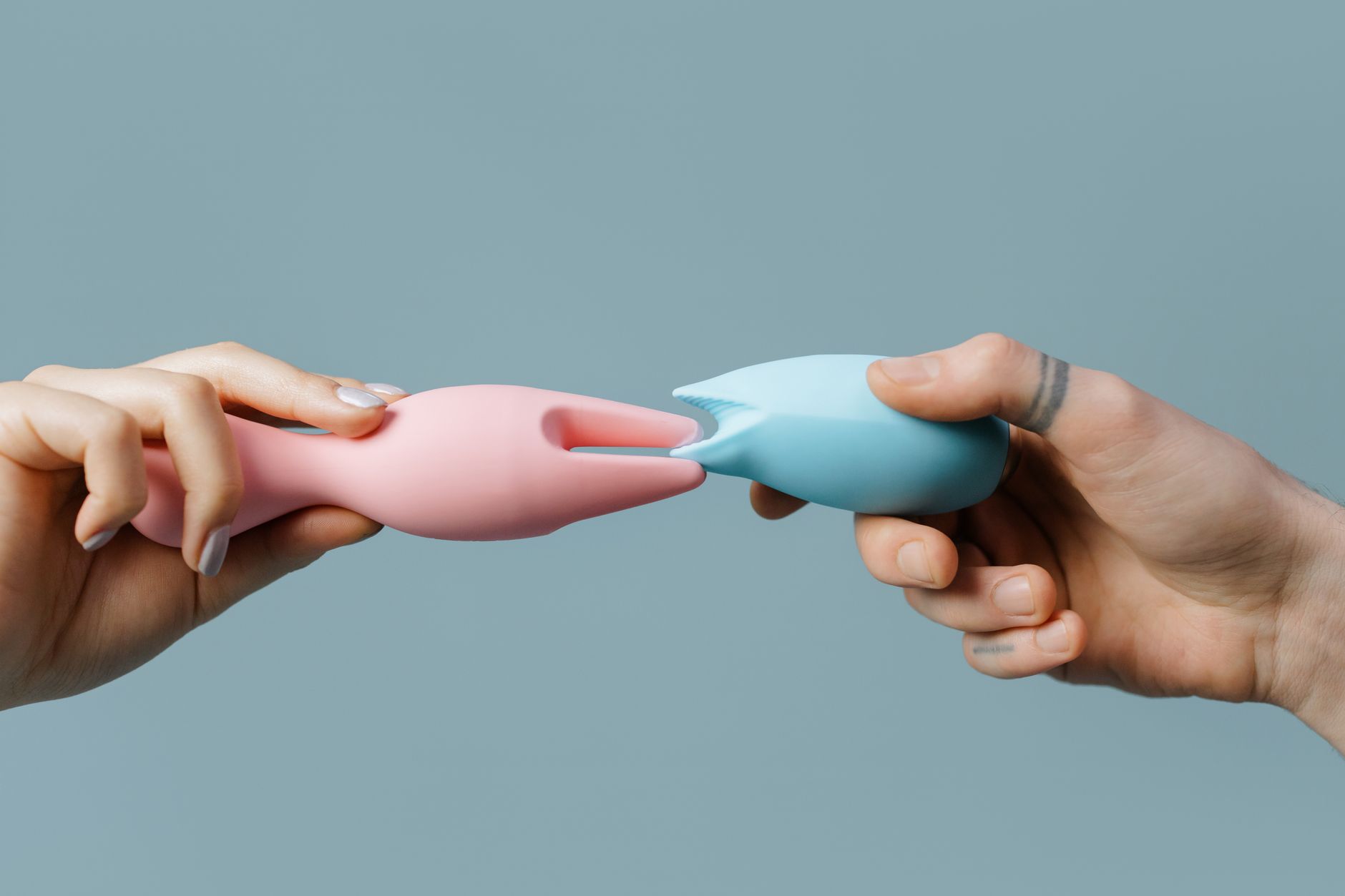
Unlike a traditional vibrator, lemon clitoral vibrators use suction instead of friction. That matters here because suction works fast. You're not building arousal from a whisper. You're waking your nervous system up with something that feels noticeably different from hands or typical vibration. Most people feel a response within the first minute or two, which bridges that gap between your partner's readiness and yours.
The other thing that matters: it's visibly integrated into foreplay. You're not disappearing into a separate activity. You're using a tool that keeps you both in the moment together.
How to introduce this without making it weird
Don't wait for the moment of friction. Bring it up when you're not in bed, when there's no pressure.
Something like: "I've noticed sometimes you're ready before I am, and I end up feeling rushed. I don't want that. I found this thing that helps my body wake up faster, and I think it might actually help us both feel more connected."
Then show them. Hand them the toy, let them see how it actually works. Most partners are relieved. They weren't enjoying the timing mismatch either. They just didn't know how to fix it.
The actual logistics
Here's the setup that works: Your partner starts with hands, tongue, whatever feels natural to both of you. When you feel like it's time to shift gears but your body isn't fully there yet, you introduce the lemon vibrator. Use a water-based lubricant with it. Start at pattern 1 or 2. Most people feel noticeable sensation within 30 seconds to a minute.
Your partner doesn't disappear. They're still touching you, still present. The toy isn't a replacement for them. It's a bridge that lets your nervous system catch up so you're both actually on the same page.
If you're sensitive to sensation, go slower. If you like intensity faster, move through the patterns quicker. The point is your body gets to dictate the pace now instead of trying to match theirs on an impossible timeline.
What changes emotionally
This removes a huge source of invisible tension. Your partner stops wondering if you're still attracted to them. You stop feeling guilty for being slower. Instead, you're both actively solving a real problem together, which actually builds intimacy instead of eroding it.
Many couples find that once they close that arousal gap with a tool like a lemon clitoral vibrator, the whole dynamic relaxes. You're not performing. You're not waiting. You're synced up. And honestly, that takes the pressure off everything that comes after.
Your partner also gets to experience your arousal, which matters to them. When they can feel your body responding in real time to the toy, there's something deeply connecting about that. They're watching you light up. That's not less intimate. It's differently intimate.
Managing the mental side
Some people feel like using a toy means something is wrong. It doesn't. It means you're old enough and honest enough to know that sometimes bodies work better with support. That's maturity, not failure.
If your partner has insecurity about it, that's worth addressing separately. But most of the time, insecurity lives in silence. Once you name it and solve it together, the insecurity tends to disappear because you've demonstrated that the toy isn't about them being inadequate. It's about bridging a legitimate gap.
Also worth saying: if arousal slowness is paired with low desire overall, that's a different conversation. How to use a lemon vibrator when your desire has shifted but you want to reconnect goes deeper into that dynamic. But if you still want your partner, you just need a longer runway, this approach works brilliantly.
The rhythm you'll probably find
After a few times, you'll develop a rhythm. Your partner will learn how long your warm-up typically takes. You'll learn when to introduce the toy so that by the time your body is fully responsive, they're still engaged and present. You'll figure out patterns that work for both of you.
What you'll probably notice: sex feels better on both sides. You're not stressed about timing. Your body isn't in a state of low-level panic about catching up. Your partner doesn't feel rejected. Everyone's nervous system is actually cooperative instead of working against itself.
A note on communication
If you're using the toy and something shifts in how it feels, say it. If you need them to slow down while the toy does its work, say it. If you want to pause entirely, pause. The whole point of bringing the tool into the bed is to make communication easier, not to replace it.
Some partners love being more hands-on with the toy. Others prefer to step back a bit and let you take the lead. Neither is wrong. Figure out what feels connected for both of you.
When this approach helps most
This works especially well when the timing mismatch is the main friction point. If there are other relationship problems running under the surface, a lemon vibrator won't fix those. But if you generally love your partner, still want to be intimate, and just have different arousal speeds, this is a clean, actually effective solution.
It also works well if you've been together long enough that you both care about the other person's experience. You're not trying to trick each other or perform. You're trying to build something that works for both bodies.
The bigger picture
Most long-term couples eventually face some version of this. Mismatched arousal timing, shifting desire, bodies that respond differently as they age. The ones who do well aren't the ones where everything magically aligns. They're the ones who look at a real problem and say, "Let's actually solve this together."
A lemon vibrator isn't the answer to a broken relationship. But for couples who like each other and just need their bodies to cooperate on a similar timeline, it genuinely works. You're not settling. You're being pragmatic in a way that actually deepens intimacy instead of undermining it.
FAQ
How long does it usually take to feel arousal with a clitoral vibrator?
Most people feel noticeable sensation within 30 seconds to two minutes with a lemon clitoral vibrator, depending on sensitivity and where you are in your cycle. The suction sensation is distinctly different from traditional vibration, so your body tends to register it quickly. If you're not feeling anything after three minutes, move to a higher pattern or adjust the fit slightly.
What if my partner feels insecure about the toy?
Talk about it directly when you're not in bed. Explain that the toy isn't about them being inadequate. It's a tool to bridge a timing gap so you both enjoy sex more. Many partners actually feel relieved because they weren't enjoying the mismatch either. If insecurity persists, that might point to a deeper relationship issue worth working through with a couples therapist, but most of the time naming it directly dissolves it.
Should I use the toy during every encounter, or just sometimes?
Use it when you need it. Some couples find that once the arousal gap closes a few times, the dynamic shifts and you don't need it every time. Others integrate it regularly because they genuinely prefer it. There's no rule. Follow what feels good for both of you.
What if I'm uncomfortable initiating this conversation?
Start small. You don't have to make a big announcement. Try something like, "I want to try something that might help us both feel better." Hand them the lemon vibrator without shame. Most partners are curious. Once they see how it works and feel the relief of the timing pressure lifting, they're usually enthusiastically on board.
Does using a lemon vibrator mean something is wrong with my body?
No. It means you're using a tool to help your nervous system work better in a particular context. We use water-based lubricant for friction. We use foreplay to build arousal. A lemon vibrator is just another intelligent tool. Using it doesn't mean anything is broken. It means you're being intentional about pleasure.
What if my body still feels slow even with the vibrator?
That's worth exploring separately. If arousal slowness is part of a bigger pattern of low desire or disconnection, a toy won't solve the underlying issue. You might benefit from working with a coach or therapist to understand what's driving the slowness. But if you still want your partner and just need a longer runway, a lemon clitoral vibrator usually bridges that gap effectively.
The real takeaway
Timing mismatches aren't failures of attraction or desire. They're just rhythm differences that real couples solve with honesty and practical tools. A lemon vibrator gives you permission to stop forcing your body to perform and start letting it work at its actual pace. Your partner gets to stay connected. You get to feel good. Everyone wins. That's not a compromise. That's actually smart intimacy.