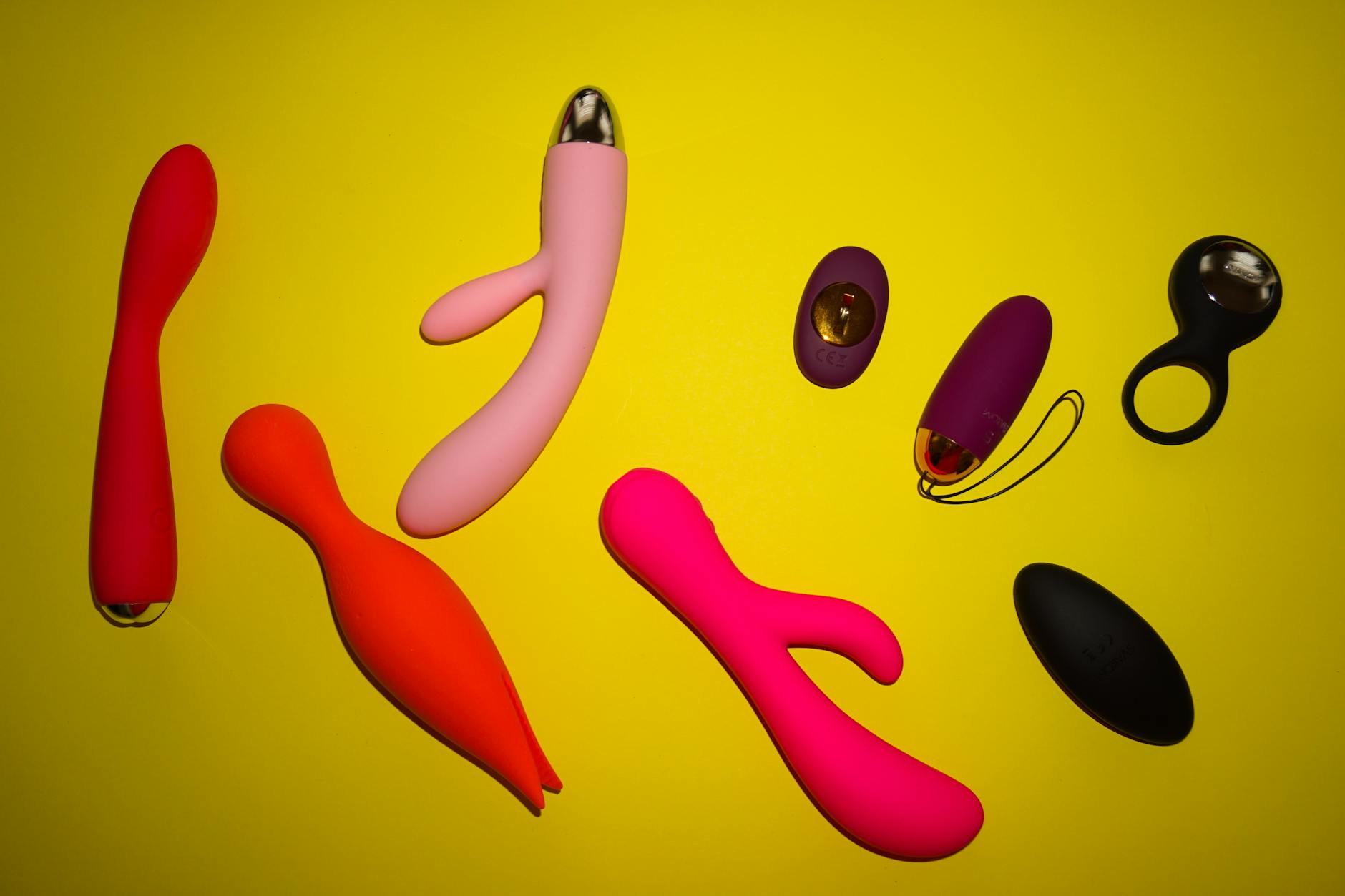
Let's be real about stress and desire
When life gets heavy, sex vanishes first. Not because you've stopped loving your partner or yourself. Your nervous system has switched into survival mode, and your brain decided that pleasure is a luxury you can't afford right now. That's not weakness. That's biology.
But here's what nobody tells you: reconnecting with pleasure after major stress isn't about forcing desire back. It's about slowly convincing your body that it's safe again. And the right tool, used the right way, can make that conversation so much faster and easier.
What chronic stress actually does to your body
When you're under sustained pressure—whether it's job insecurity, family conflict, financial worry, or relationship tension—your cortisol stays elevated. This does specific things to desire. Your brain downregulates dopamine (the neurotransmitter linked to motivation and reward). Your pelvic floor tenses up and stays tense, which reduces blood flow and sensation. Your vaginal lubrication decreases because your parasympathetic nervous system (the "rest and digest" mode that allows arousal) is offline. Your libido doesn't disappear because you're broken. It disappears because your body thinks you need to be vigilant, not relaxed.
Relationship tension makes it worse. If there's friction with your partner, unresolved hurt, or resentment sitting between you, your body won't drop its guard enough to feel pleasure. You might feel guilty for not wanting sex. Your partner might feel rejected. Then you're both stressed about the lack of sex on top of the original stress. The spiral tightens.
Why a lemon clitoral vibrator is different after stress
Most vibrators work by intensity. They buzz harder, hope you come. That works fine when you're already somewhat aroused. When your nervous system is shot, it feels aggressive. A lemon vibrator—with its suction-based technology—works by creating a gentle, sustained sensation that doesn't require you to be "ready." The suction stimulates the thousands of nerve endings in your clitoris without the mechanical pressure that can feel overwhelming when you're tense.
This matters because you're not trying to force an orgasm. You're trying to reawaken sensation. To remind your body that pleasure is possible. A suction-based tool does that. You can set it low, keep it there for as long as you need, and slowly let your nervous system settle into the feeling. There's no performance pressure. No rush.
Starting over: the nervous system reset
If you haven't had sexual pleasure in weeks or months because of stress, your first solo session should feel nothing like sex. Think of it as a nervous system recalibration, not an orgasm mission.
Set aside 20 minutes when you're alone. Not when you're half-watching Netflix and waiting for your partner to come home. Not when you're mentally running through tomorrow's to-do list. Real alone time, where your brain can actually downshift. Shower first if it helps you feel clean and separate from the stress. Change into comfortable clothes afterward. Make it a ritual, not a chore.
Start the lemon vibrator on the lowest setting. Don't put it directly on your clitoris. Let it hover an inch away, or press it gently to your labia or the area just above your clitoris. You're not trying to come. You're trying to feel something other than knots in your chest. Spend 10 minutes just exploring sensation. Notice what feels good, what feels weird, what makes your body soften a little. Most people find that after three or four sessions of this, sensation returns naturally. Your body remembers.
When your partner is also stressed
Here's the hard part: if the stress is in your relationship itself—conflict, betrayal, disconnection—using a clitoral vibrator alone won't fix it. But it can help break the shame cycle.
Many couples stop having sex during tension, then feel ashamed about that, then the shame makes it harder to reconnect. One person feels unwanted. The other feels guilty. Both people feel alone. A lemon vibrator in this context gives you a way to stay in relationship with your own pleasure while the bigger work happens separately.
That bigger work is probably conversation. Direct, vulnerable conversation about what's actually broken. Not a fight about sex. A conversation about trust, hurt, and what needs to shift for you both to feel safe again. If that feels too big to do alone, a couples therapist trained in attachment and trauma can help faster than you'd expect. Real reconnection after relationship tension usually requires help from outside the bedroom.
Using a lemon vibrator together after you've both recovered
Once the acute stress or conflict has begun to settle—and I mean genuinely settle, not just a temporary truce—introducing the lemon vibrator as a couple can feel less pressured than partnered sex. There's no performance. There's observation, encouragement, and a shared focus on sensation rather than penetration or orgasm.
Many couples find that watching their partner explore pleasure with a lemon vibrator reopens emotional intimacy that stress had shut down. You're not just having sex. You're witnessing each other's vulnerability and pleasure, which is its own kind of intimacy. Start with you using it alone while your partner is present, if full partnered use feels too vulnerable initially. Let your body guide the pace.
What to watch for
If you've been under stress for months and you're not feeling sensation returning within a few weeks of gentle exploration, that might signal that the stress is still too active in your nervous system. That's not a sign to try harder or use a more intense vibrator. It's a sign that your system needs something else first: therapy, medication adjustment, a real break from whatever's causing the pressure, or medical evaluation to rule out other causes.
If there's pain, stop immediately. Stress can cause pelvic floor dysfunction, which sometimes shows up as pain rather than numbness. A pelvic floor physical therapist can help reset that, and a lemon vibrator can be part of the recovery once the therapist gives clearance.
If your relationship tension is rooted in infidelity, abuse, or chronic contempt, reconnecting with pleasure won't fix the relationship. That requires professional intervention. Don't use physical pleasure as a band-aid for something that needs real repair.
The permission piece
Here's what I tell clients in my practice: your desire doesn't owe anything to anyone right now. Not your partner, not your stress levels, not your productivity. You deserve to feel good in your body, full stop. Using a lemon clitoral vibrator after stress is a way of telling your nervous system: "We're safe. We can soften now." That's not selfish. That's medicine.
Start small, be patient, and trust that pleasure returns when your system is ready. A high-quality lemon vibrator just makes that journey so much gentler.
People also ask
How long does it typically take to feel desire again after major stress?
It varies widely. For some people, a few weeks of gentle, solo exploration with a lemon vibrator is enough to restart arousal. For others, especially if the stress was relational (like infidelity or major conflict), it can take months. The key is consistency without pressure. If you're exploring pleasure once a week for four weeks and still feeling nothing, that's usually worth mentioning to a therapist or doctor. Sometimes desire takes longer to return because something deeper—depression, medication side effects, trauma—is in the way.
Can I use a lemon vibrator if my partner and I aren't talking about the conflict yet?
Yes, but knowing that you're avoiding the bigger conversation is important. A lemon vibrator can help you reconnect with your body while that work is pending. Just don't expect pleasure to be a substitute for actually addressing what broke. How to Rebuild Intimacy After Relationship Conflict covers that dynamic in detail if you want to start that conversation.
Does a lemon sucker work if I'm on antidepressants or anti-anxiety medication?
Most psychiatric medications do affect sexual response, but it's not consistent. Some people on SSRIs notice libido returns with a lower-stress environment plus the right tool. Others find that the medication itself is the ceiling, and they need to work with their prescriber on timing or dosage. A lemon vibrator is worth trying because suction-based stimulation sometimes works better than traditional vibration when neurochemistry is altered. If you've been on the medication for months and desire hasn't budged, talk to your prescriber about options.
Should I tell my partner I'm using a lemon clitoral vibrator during this stressful period?
That depends on your relationship and what you're comfortable with. Some couples benefit from that transparency early on. Others do solo reconnection work first, then introduce it together once sensation has returned and it feels less fraught. There's no rule. What matters is that you're not using it as a secret substitute for connection, and you're not hiding it because shame is running the show. If you want to tell your partner, you might lead with: "I'm trying to rebuild some physical sensation while we're both stressed. This helps me feel like myself again."
Can a lemon vibrator help if the stress is ongoing and not resolved?
It can help you stay connected to your body while the stress persists, which is valuable. But it's not a replacement for addressing the stress itself. If you're using a lemon vibrator to feel better while still in an unhealthy job, a toxic living situation, or an unresolved relationship problem, you're managing symptoms, not solving the root. Use the tool as a way to care for yourself while you're also making bigger changes.
What if I start to feel pleasure again but then it disappears when my stress spikes?
That's completely normal. Desire isn't stable when your nervous system is unstable. You might have great sex on a low-stress week, then nothing the moment a work crisis hits. That's not backtracking. That's your system responding appropriately to its environment. Keep using the lemon vibrator during high-stress periods not because you expect fireworks, but because it's a way of honoring your body's need for gentleness and sensation. The more you do it consistently, the faster your nervous system learns to regulate.