Let's talk about timing
Somewhere around your thirties, forties, or fifties, arousal might stop being instant. You know the feeling. You used to be able to get turned on in thirty seconds flat. Now it takes twenty minutes. Or forty. Or sometimes you're not sure it's happening at all until you're already halfway through.
Here's what I want you to know first: this is not a malfunction. Your body is not broken. Your desire has not disappeared. Your nervous system is just asking for a different approach.
Why warm-up time actually lengthens
There are three major culprits, and usually all three are working at once.
First, hormonal shifts. Whether you're approaching menopause, navigating life in your midlife years, or dealing with medication side effects, your body's chemical cocktail changes. Testosterone—which people with vulvas produce, yes, and which is a major player in desire—often drops. Estrogen changes too. These shifts don't stop pleasure. They do change the speed at which arousal builds.
Second, stress and mental load. By the time you're established in a career, managing relationships, handling family stuff, or just carrying the weight of existing in the world, your brain is often already maxed out. Arousal requires your nervous system to shift gears. If you're running at seventy percent capacity already, shifting to eighty-five feels difficult. It's not laziness. It's just physics.
Third, familiarity. After years with a partner, novelty wears off. Boredom isn't inevitable, but the initial spark does settle into something steadier. Your brain needs more stimulation to trigger the response it used to give automatically.
The mistake most people make
They try to speed things up.
They push harder, go faster, or get frustrated that it's not working like it used to. That tension actually makes arousal harder, not easier. Your nervous system reads that frustration as stress, and stress is basically the opposite of arousal.
The better move? Stop fighting your timeline and build pleasure around it instead.
What actually works: the ritual approach
Instead of hoping arousal happens, I recommend treating it as a process with distinct phases.
Phase one: The setup (10-15 minutes). This is not foreplay. This is the intentional space before anything sexual even happens. Light, no phones, maybe something to drink, whatever makes your nervous system feel safe and present. This alone cuts arousal time in half because you're already partially shifted into a different headspace.
Phase two: The gentle entry (5-10 minutes). Non-sexual touch. Massage, kissing, whatever feels good but isn't directly sexual. The goal here is to wake up your skin and start moving blood toward your genitals. This is where you're building arousal, not demanding it.
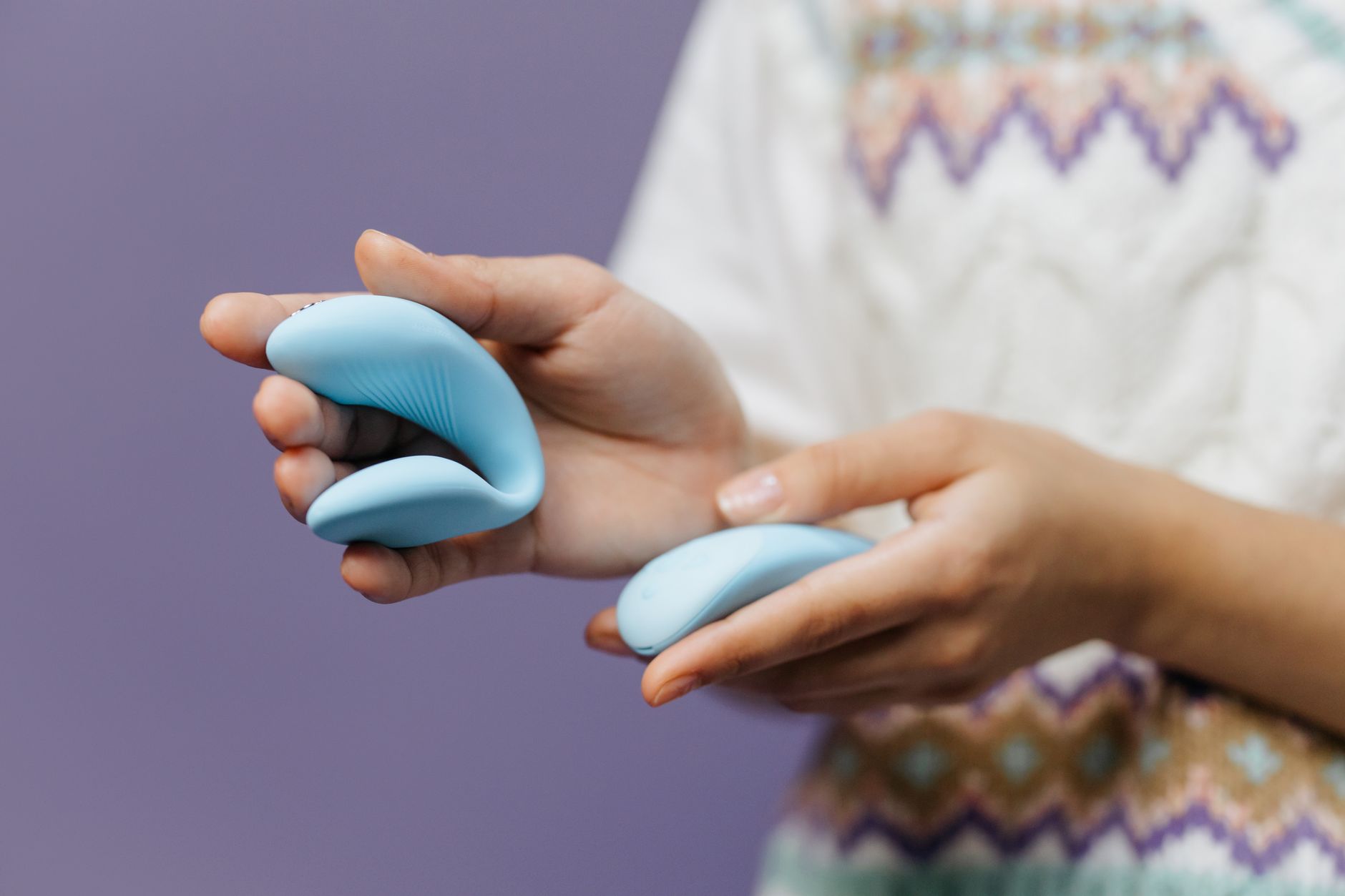
Phase three: The build (10-20 minutes). This is where a lemon clitoral vibrator becomes genuinely brilliant. The Lem uses suction stimulation rather than traditional vibration. Suction is gentler on tissues and more gradually pleasurable. You can start on a low setting—pattern one or two—and stay there longer than you might with a traditional vibrator. The stimulation builds gradually and naturally instead of hitting you all at once.
The key difference between lemon vibrators and other clitoral toys when arousal is slow: suction doesn't require your body to be at peak responsiveness to feel good. It feels good on the way to arousal, not just at the peak. That makes it ideal when you need more runway.
Practical setup for slow arousal
Here are five concrete things that help when you're building arousal slowly.
1. Start lower than you think you need. Most people jump to patterns three or four because two feels too gentle. Resist that. Stay at one or two for a full ten minutes. Arousal compounds. What feels mild now will feel intense in fifteen minutes.
2. Move around the area instead of staying in one spot. With the Lem, you can vary the suction gently across the entire vulva, not just directly on the clitoris. This changes which nerve clusters you're stimulating and keeps your body's response from plateauing. It also distributes the intensity in a way that builds arousal more gradually.
3. Take breaks. Pause every five minutes or so. Touch yourself without the vibrator. Change positions. Look at your partner or think about something that turns you on. These pauses prevent your nervous system from going numb and reset your arousal level slightly higher each time you return.
4. Use lube even if you think you don't need it. Water-based lube changes the entire sensation. It reduces friction, which means the suction feels smoother and more pleasurable, which means arousal builds faster. This is not about being broken. It's about physics.
5. Have a time commitment. "We have thirty minutes" is different from "we'll do this until something happens." The time boundary somehow makes your nervous system relax into the process instead of anxiously monitoring whether you're getting there fast enough.
When you're with a partner
This is where communication matters more than it ever has.
If you're with someone who used to experience instant arousal with you and now you're both noticing the shift, the story you both tell about that changes everything. If it's "she's broken" or "he doesn't want me," resentment builds and arousal gets even harder. If it's "our rhythms are shifting, let's figure this out together," you've got room to experiment.
Here's what I tell couples: your partner's arousal speed is not a commentary on their attraction to you. It's their nervous system's current reality. That reality can be sexy if you frame it right. Slow arousal means you get to spend more time touching each other. It means there's more foreplay. It means sex lasts longer. Those are not consolation prizes. Those are upgrades.
Why the Lem works specifically
Lemon clitoral vibrators—specifically suction-based ones like the Lem—are particularly good for this because they don't punish slow arousal. A traditional vibrator can feel uncomfortable if you're not already very aroused. The Lem's suction is inherently gentler and works with your body's pace rather than demanding you catch up.
It also gives you volume control. You can stay at a low intensity for as long as you want. With some toys, low is just low and stays low. With the Lem, you're building a pleasure arc gradually, which tracks with how arousal actually works when it's slow.
Solo vs. partnered
When you're alone, slow arousal is honestly easier. You can take all the time you want without anyone else's timeline in the mix. You might spend an hour just exploring, building slowly, taking breaks, edging. That's perfect. That's exactly what your nervous system is asking for.
When you're with someone else, the ritual approach matters more because you're coordinating two nervous systems. You both need to feel like the time is intentional, not wasted. That's why I emphasize the phases above—it gives you both a sense of progress even when the total time is longer.
The mental shift that changes everything
Honestly, the biggest barrier to enjoying slow arousal is the story you tell yourself about it. If you think "this is wrong" or "I used to be better at this," you'll stay tense. If you think "my body is asking for more time, and I have it," arousal actually comes faster.
Your nervous system doesn't care about your timeline. It cares whether you're safe, present, and willing to work with its actual pace. The moment you stop fighting that and start building pleasure around it, everything shifts.
FAQ
Can slow arousal suddenly speed up again?
Sometimes, yes. Stress reduction, hormonal changes, a new relationship dynamic, or even just giving yourself permission can all shift things. But here's the thing: instead of waiting for that to happen, you can redesign pleasure right now in a way that works. You don't need fast arousal to have amazing sex.
Is slow arousal a sign I should see a doctor?
If arousal has completely flatlined and nothing feels good, yes. But if arousal is slow but present and you're still reaching orgasm, that's usually just a rhythm shift, not a medical problem. That said, it never hurts to get bloodwork done to check hormones if you're curious. Knowledge is helpful.
Does using a lemon vibrator make arousal even slower over time?
Nope. If anything, it does the opposite. Regular stimulation actually keeps nerve sensitivity where it is. The Lem's suction is gentle enough that you're not dulling sensation—you're training your nervous system to respond to a particular kind of stimulation. That usually makes arousal faster, not slower.
What if my partner gets bored during the slow warm-up?
Then you need a conversation. Not during sex. After. The frame should be: "I want to enjoy this with you, and my body's asking for more time now. Here's what that could look like for both of us." Maybe they touch you differently. Maybe you use toys together. Maybe you take turns. Maybe you separate the solo warm-up from partner time. There are options.
Can I skip the warm-up and jump straight to the Lem?
You can, but it usually works better if you don't. The warm-up gets your nervous system primed so when the vibrator kicks in, you're already partially there. It's like stretching before exercise. Technically optional, but it changes the whole experience.
How do I explain this to a partner without sounding like I'm rejecting them?
Use this: "My body needs more time to warm up now, and I want to redesign how we approach sex so we both enjoy it more." That's not about them. That's about both of you getting to the same place. Frame it as solving a problem together, not you admitting something's wrong.
The real truth
Slow arousal feels like a loss until you stop measuring it against your past. The moment you start treating your current pace as your actual preference instead of a failure, pleasure gets better. Not because anything magical happened. Because you stopped fighting your nervous system and started working with it.
Your body is not broken. It's just asking for a different dance. And honestly? That dance can be even better than what came before.
If you're looking to explore this more deeply with a partner or working through how slow arousal fits into your relationship, let's talk.