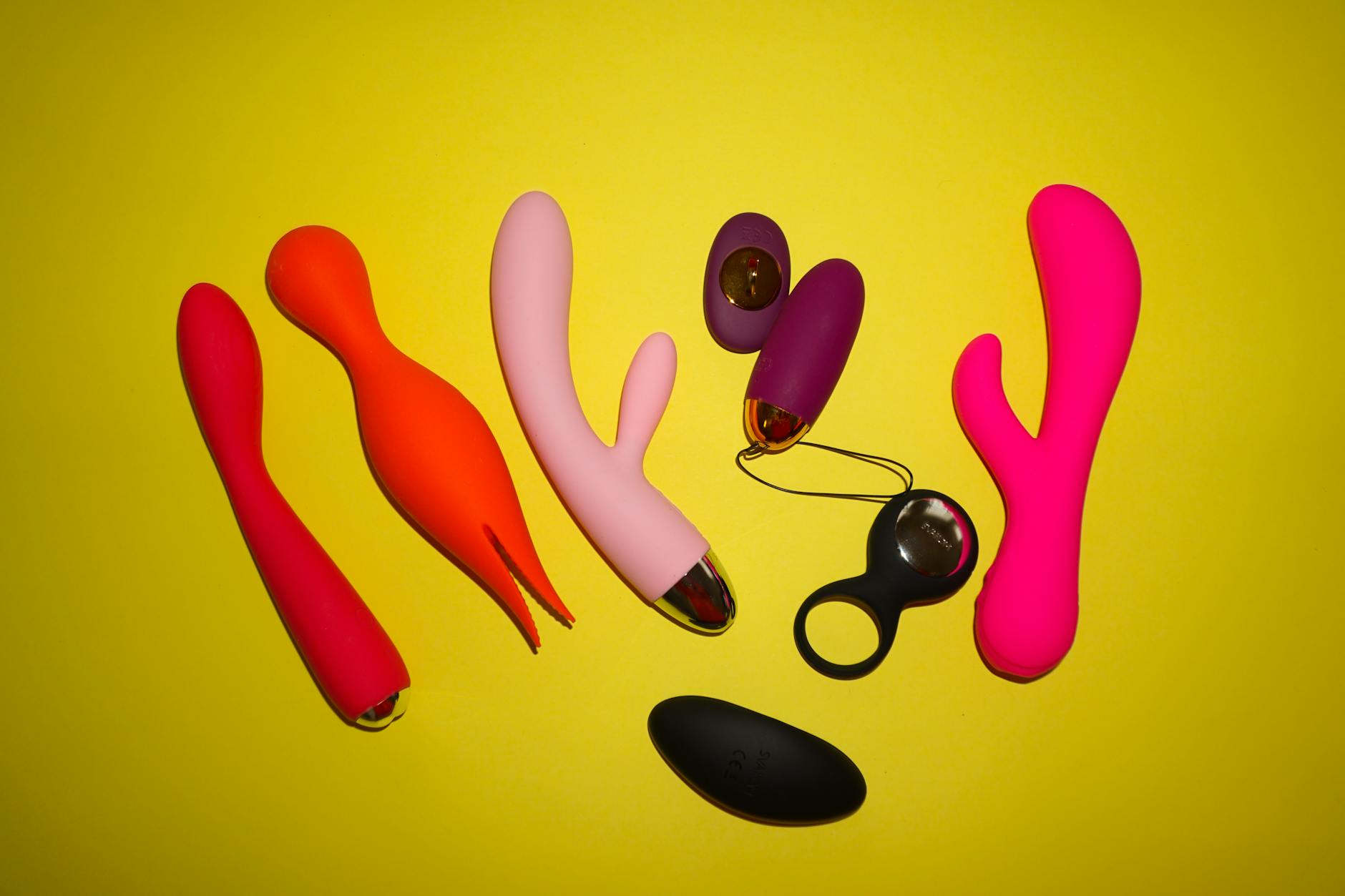
Here's what nobody tells you about dryness and aging
Vaginal dryness is not a character flaw. It's not a sign that your body is broken. It's a predictable shift that happens as estrogen levels change, and it affects how pleasure feels. The key word there is how it feels, not whether it happens at all.
I've worked with hundreds of people navigating this transition, and the most common response is shame followed by avoidance. Then, months or years later, they realize they've abandoned their own pleasure because they assumed dryness meant the end of sex. That's the real tragedy. The dryness itself is manageable. The isolation is what hurts.
Why dryness happens and what it actually changes
Estrogen supports vaginal tissue thickness and blood flow. As estrogen drops (whether from natural aging, surgical menopause, medication, or hormonal treatments), tissue thins and lubrication decreases. Your vulva and vaginal opening become more delicate. The vaginal environment shifts pH and bacterial balance. This is real physiology.
What doesn't change: your nerve endings, your brain's pleasure pathways, or your clitoris. The clitoris has its own blood supply that's somewhat independent from the rest of the vulva. That's why many people discover their best orgasms come after this shift, especially when they find the right tools.
The catch is friction. Traditional vibrators rely on sustained vibration against tissue. When tissue is thinner or drier, that vibration can feel raw or even painful. Lemon vibrators, by contrast, use suction and gentle pulsing rather than constant friction. This works beautifully with aging tissue because it stimulates without requiring mechanical pressure.
What lubrication actually does (and why it matters more now)
Lubricant isn't cheating. It's not a sign you're broken or that you need to "get better." It's a tool that restores one of the conditions your body used to provide automatically. That's all.
Use water-based lube with a lemon vibrator. Silicone lube feels incredible, but it can degrade silicone toys over time. Water-based lubes are thinner, absorb into tissue, and wash off easily. Apply it directly to your vulva and clitoris before you start, and reapply midway through if needed. Some people find that internal lubrication increases once arousal builds, so you might need more at the start and less as you go.
One counterintuitive tip: if dryness has made sex uncomfortable, your body may have learned to brace. This happens subconsciously. Using lubricant during solo play with a lemon vibrator helps your nervous system relax into the sensation again. It's a form of retraining, not dependency.
Why lemon vibrators work better than traditional vibration
A lemon vibrator (or any air-suction clitoral toy) uses gentle pulsing suction to stimulate the clitoral complex rather than vibrating against the surface. This changes everything when tissue is delicate.
With traditional vibrators: the toy makes contact with your skin and vibrates rapidly against it. On thin or dry tissue, this can feel too intense, too friction-heavy, or even painful.
With suction-based stimulation: the toy creates a gentle seal around your clitoris and pulses. There's no harsh friction. Stimulation is deeper in the tissue rather than surface-level. You feel a rhythm and building sensation rather than a buzzing force.
Many of my clients report that suction feels softer and more responsive to their arousal. You control the intensity by adjusting the seal and the pattern. Start at the lowest setting and work up. Your tissue will tell you what it needs.
The warm-up you actually need now
When estrogen was abundant, your body responded quickly to touch. That's changed. Budget 20-30 minutes for solo play instead of 5-10. This isn't inefficiency. It's the new normal, and honestly, it often leads to better orgasms.
Start by touching yourself without any toy. Engage your partner if you have one, or just focus on what feels good. Let your body gradually build arousal. Use your fingers on areas that feel most sensitive. Notice what draws blood flow to your vulva. Some people find that inner thigh touch, vulva massage, or clitoral stroking (not suction) helps to prime the system.
Then introduce the lemon vibrator on the lowest setting. Keep using lubricant throughout. If you're partnered, this is a moment to slow down together. To communicate. To stay present rather than chasing an outcome.
The longer warm-up matters because it allows blood flow to increase naturally, which makes tissue more resilient and sensitive. It's not foreplay. It's essential physiology.
When pain shows up (and what to do about it)
If you experience sharp pain, burning, or persistent discomfort during or after using a lemon vibrator, stop and get evaluated. Genitourinary syndrome of menopause (GSM) is real and very treatable. A gynaecologist or menopause specialist can prescribe topical estrogen creams, which work locally and have minimal systemic absorption.
Topical estrogen takes 2-4 weeks to show effects, but changes can be dramatic. Tissue thickens, hydration improves, and many people find they can return to pleasure without constant lubricant reliance. It's not cheating. It's medicine.
Some people also benefit from vaginal moisturizers used daily (separate from lube), which hydrate tissue over time. Others find that regular sexual activity (partnered or solo) maintains blood flow and tissue health better than medication alone.
The point: if dryness is severe enough that it's stopping you from having pleasure, talk to a provider. Don't just accept it.
Rebuilding sensation and confidence
Many people who've experienced dryness-related pain develop anticipatory anxiety. Their brain learns that pleasure = pain, and arousal shuts down before it starts. This is a normal nervous system response. It's also completely reversible.
When you return to pleasure after a pause, start with solo play. You control the pressure, the pace, and the environment. Use a lemon vibrator on the lowest settings. Focus on sensation rather than orgasm. Notice where touch feels good. Notice what makes your clitoris respond. Some days that will be different than others, and that's okay.
If you're partnered, have a conversation that separates two topics: the physical shift ("My tissue is responding differently") and the emotional one ("I want us to reconnect"). Many couples confuse these and end up shutting down both conversations.
Your partner doesn't need to fix your dryness. They need to understand it, use lubricant without resentment, and give you time. A lemon vibrator can actually help here because it allows you to explore pleasure on your own terms first.
The settings that work best
Lem vibrators typically have 5-7 intensity levels. Most people with dryness-related tissue sensitivity start at pattern 1 or 2. The pulsing is gentle enough not to overwhelm delicate tissue, but strong enough to build stimulation over time.
If pattern 1 feels too subtle, try pattern 2 with longer sessions. Give your body time to respond. If lower patterns still feel uncomfortable, pause and add more lubricant. Wait another 10 minutes for arousal to build further. Sometimes the issue isn't the toy, it's that you need more warm-up time.
As your confidence returns and tissue responds, you might explore higher patterns. Some people find that starting low and staying there feels best. Others work up to medium. There's no universal "right" setting. Your tissue will tell you.
What else actually helps
A few practical things that make a real difference: stay hydrated generally (not just during sex). Reduce inflammatory foods if you can. Move your body regularly; exercise increases pelvic blood flow. Manage stress when possible; chronic stress suppresses estrogen and dries tissue further.
If you're on hormone therapy, work with your provider to optimize your dose. If you're on medications that cause dryness (antihistamines, antidepressants, certain blood pressure meds), talk about timing or alternatives. Sometimes taking your medication at night rather than morning helps.
And honestly, be patient with yourself. This is a major shift. Your pleasure is worth the adjustment time.
People also ask
How long does it take for a lemon vibrator to feel good after you've experienced dryness pain?
It depends on severity and what's causing the dryness. If you've been avoiding pleasure due to anticipatory anxiety, 2-4 weeks of gentle, frequent exploration often helps. If tissue changes are more severe, topical estrogen creams (prescribed by a gynaecologist) can show real results in 4-6 weeks. The nervous system component takes longer—sometimes 2-3 months of consistent, pressure-free play before your brain fully rewires the association between touch and pleasure rather than pain. You'll know you're healing when you can relax into the sensation.
Can you use a lemon vibrator without lubricant if you have dryness?
Technically yes, but I don't recommend it. Even though lemon vibrators use suction rather than harsh friction, lubricant makes every sensation softer and more pleasurable. It helps tissue move without catching or feeling raw. More importantly, using lube during play after a painful period helps rewire your nervous system away from anticipatory anxiety. It becomes a signal to your body: "This is safe. We can relax." Start with lubricant as a consistent tool.
Will topical estrogen cream interfere with a lemon vibrator?
No. In fact, they work well together. Topical estrogen thickens tissue and improves hydration, while a lemon vibrator provides gentle stimulation without friction. Most people find that once they've been on topical estrogen for 4-6 weeks, they need less external lubricant and feel more responsive to suction-based stimulation. If you're using topical estrogen, apply it as directed by your provider, then wait at least an hour before sexual activity to allow it to absorb.
How do you know if dryness is from aging or from something else?
Aging-related dryness typically develops gradually, affects overall vulvar tissue (not just one spot), and often comes alongside other changes like hot flashes, sleep shifts, or mood changes. It usually improves with topical estrogen or vaginal moisturizers. Other causes of dryness include medication side effects, autoimmune conditions, diabetes, or localized infections. If dryness came on suddenly, is extremely severe, or doesn't improve with lube and time, see a gynaecologist. You need to rule out other causes.
Can a lemon vibrator help rebuild arousal if dryness made you avoid sex?
Yes, often very effectively. A lemon vibrator works particularly well for rebuilding pleasure after a painful or frustrating period because it doesn't rely on friction or rapid vibration. It's gentler, more controllable, and allows you to explore sensation at your own pace. Using one solo first—before any partnered activity—helps your nervous system relearn that touch feels good rather than scary. That foundation matters for everything that comes after.
Is dryness permanent or does it improve?
Depends on the cause. Dryness from natural aging can be managed with topical estrogen, vaginal moisturizers, and regular sexual activity, but doesn't fully reverse without hormone therapy. Some people do use systemic HRT, which improves dryness as a side effect. Dryness from medication often improves if you change timing or medication. The key: it's not an ending, it's a navigation. Most people find that within a few months of consistent care—whether that's lube, creams, or both—pleasure becomes easy again.
The real story
Vaginal dryness is a shift, not a sentence. It changes the mechanics of pleasure, but it doesn't end pleasure. A lemon vibrator is built for exactly this: gentle, responsive, controllable stimulation that works with aging tissue rather than against it.
The hard part isn't the dryness itself. It's the shame that comes before you admit it's happening, and the isolation that follows if you don't talk about it. If this is you, start by reaching out to a provider. Then give yourself permission to explore pleasure on your own terms again. Your body is ready. You just needed the right information and the right tool.
Want to talk through your specific situation or have questions about what might work best for your body? Get in touch with us. We're here to help.