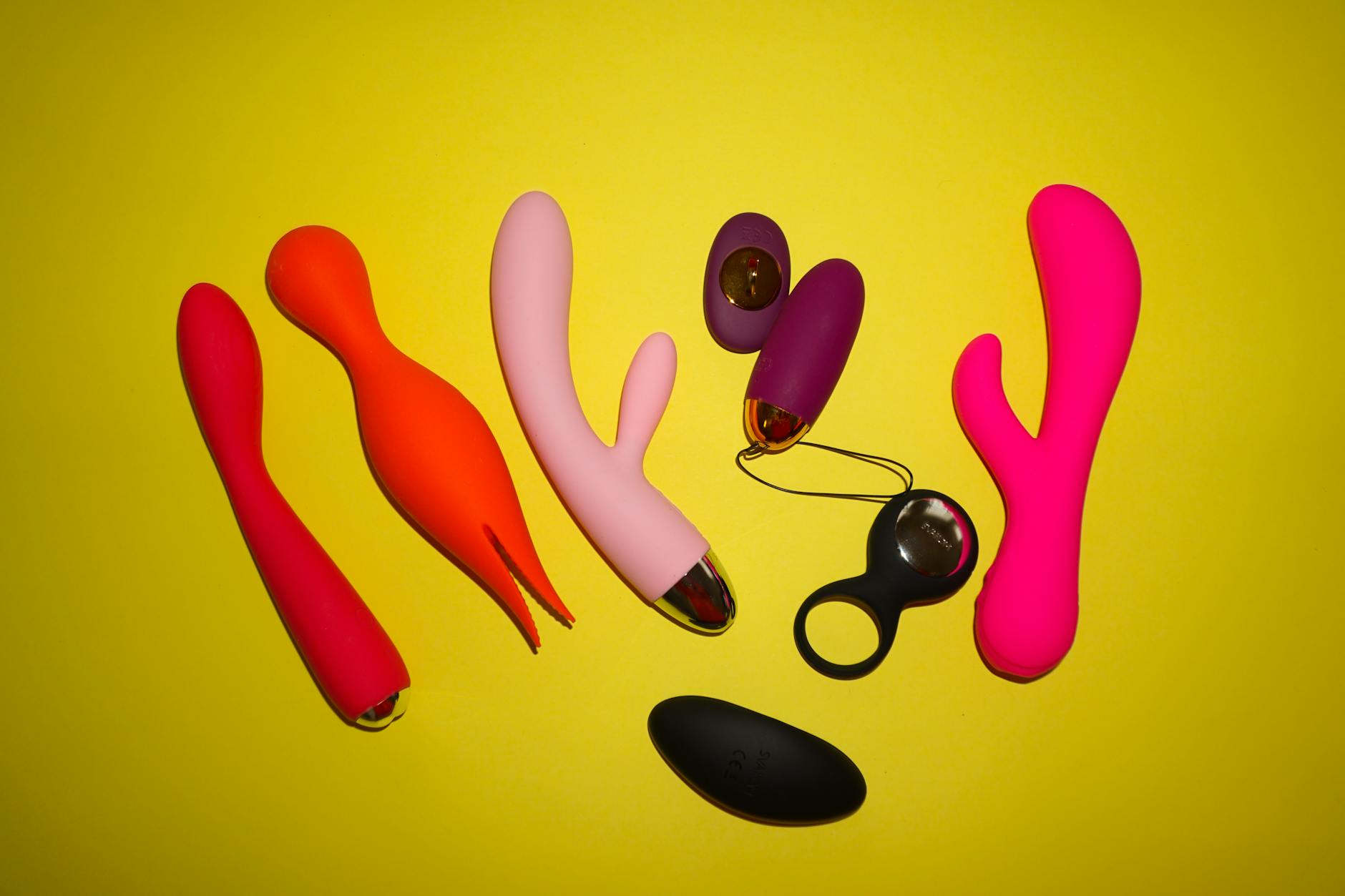
Let's talk about the weird flip side of numbness
You spent months or years not feeling much of anything down there. Antidepressants, stress, burnout, or just the slow fade of disconnection. You got used to it. Your body felt like it belonged to someone else, or maybe to no one at all.
Then something shifts. The medication changes. The stress lifts. You actually sleep again. And suddenly sensation floods back like someone turned the volume up to eleven.
Here's what nobody tells you: this can feel as disorienting as the numbness was.
Why sensation overshoots when it returns
Your nervous system didn't just go dormant. It was actively suppressed, often for good reason. Your brain was protecting you from overstimulation by dampening signals. When that protection lifts, the pendulum swings hard in the other direction. What used to feel neutral now feels intense. What was manageable before feels electric, almost painful.
This is especially true for clitoral sensation. The clitoris has thousands of nerve endings concentrated in a tiny area. When general sensation returns after being offline, the clitoral region often lights up first and strongest. Add vibration on top of that, and you can end up with overstimulation before you've even started.
That's not a sign something's broken. It's a sign your nervous system is waking up. The problem is that a regular vibrator at full intensity can feel jarring, even painful, when you're in this state. You need something designed for control and gradual intensity. This is where a lemon clitoral vibrator becomes genuinely useful.
Why lemon vibrators work better when sensation is hypersensitive
The suction mechanism on a lemon vibrator operates differently from traditional vibration. Instead of rapid, repetitive buzzing, suction creates a gentle pulse that draws tissue upward and releases. This distributes stimulation across a wider area and feels less pointy than concentrated vibration.
More importantly, lemon adult toys give you real control over intensity. You don't have to choose between "off" and "too much." Starting at the lowest setting, you can gradually dial up sensation as your nervous system adjusts. Most people find the pattern on setting 1 or 2 feels manageable even when they're hypersensitive.
The sensation is also different in character. Suction feels more like pressure than buzzing. For some people rebuilding sensitivity, that distinction matters. Pressure can feel grounding. Buzzing can feel chaotic.
The protocol for easing back in
Here's what I recommend to people navigating this transition.
Start completely clothed. Yes, fully clothed. Hold the lemon sexual toy over your clothes, set it to the lowest setting, and activate it on your inner thigh for 30 seconds. Nothing is at stake here. You're not trying to get aroused or orgasm. You're just letting your body register the sensation in a low-stakes way.
After a few days of this, move to your outer labia while still clothed. Spend a few seconds at the lowest setting. Pause. Breathe. Notice what you feel without pushing for more.
Once clothed contact feels comfortable (usually a week or two), move to direct skin contact at the lowest intensity. Start on the outer labia, nowhere near the clitoris itself. Suction toys like the Lem are specifically designed so you can control exactly where the sensation goes. Use this.
Spend at least two weeks at step one of your lemon vibrator. Your goal is not arousal or pleasure yet. Your goal is nervous system regulation. You're teaching your body that this sensation is safe.
The stages of rebuilding sensation tolerance
Stage one (weeks 1-2): Clothed or outer labia contact, lowest setting, 30-60 seconds, no pressure to feel anything.
Stage two (weeks 3-4): Bare skin on outer labia, lowest setting, 60-90 seconds, you can now pay attention to what feels okay. Not good. Okay.
Stage three (weeks 5-6): You might experiment with slightly higher settings on the outer labia, or you might stay exactly where you are. There's no timeline. Moving to the clitoris happens only when lower areas feel comfortable at higher settings.
Stage four (weeks 7+): Direct clitoral contact, but still starting at the lowest setting. You'll probably find that you can move through intensities faster here because the tissue has had time to recalibrate.
Don't rush this. People rebuilding sensitivity often get frustrated around week three because they feel like they "should" be ready for more. You're not behind. Your body is just being cautious, and that's wise.
The mental piece matters as much as the physical one
Hypersensitivity isn't just neurological. It's also about permission and safety. For a long time, your body didn't feel like yours. You might have been protecting yourself by not feeling. Now sensation is coming back, but your mind might not trust that it's safe to open up again.
This is where a partner can help, or where self-talk becomes crucial. Before you use your lemon clitoral vibrator, name what you're doing. "I'm spending ten minutes reconnecting with my body." "I'm safe. This intensity is manageable." "I can stop whenever I want."
If you have a partner, tell them what you're rebuilding. Not for their input, but so they understand why you might need quieter evenings, or why you're not ready for partnered sex yet, or why you need to move slowly. If you're partnered and you're doing this alone, that's fine too. Your pleasure is yours to reclaim.
When to stay at a setting longer than expected
There's no rule that says you have to progress. If lowest setting on outer labia feels exactly right for three weeks, stay there. Some people find their sweet spot and realize they don't need intensity as much as they need presence. They don't need vibration ramped up. They need time, control, and permission.
That's not failure. That's insight.
If you're with a partner and they're waiting for you to be "ready" for sex again, this is where clarity becomes important. You're rebuilding. You might never want the same things you wanted before. That's okay. Desire can shift. What matters is that it's genuinely yours, not something you're forcing to prove you're recovered.
Tracking what actually works
Keep a very simple note on your phone. Nothing elaborate. Just: what setting, where, how long, what felt good or uncomfortable. After a month you'll have real data about what your body is telling you, instead of relying on vague memory or expectations.
You might notice that direct clitoral contact at setting two feels way better than setting three. You might discover that ten minutes is your sweet spot even though porn and locker room talk suggests orgasms should happen in five. You might realize you prefer sensation without the pressure of partnered sex.
All of that information is valuable. It's yours.
The timeline is different for everyone
I've worked with people who rebuild sensation sensitivity in four weeks and people who need four months. Neither is wrong. Neither means you're broken or healing poorly. Your nervous system is recalibrating after a period of protection. That takes whatever time it takes.
Buy Lemon Vibrator's lemon vibrators are designed with this in mind. You get real control. You're not locked into someone else's idea of how pleasure should escalate. You set the pace. You pick the intensity. You decide when to stop.
That agency matters more than the technology.
FAQ: Rebuilding sensation with lemon vibrators
Is it normal for pleasure to feel uncomfortable when it returns?
Completely normal. Your nervous system was protecting you by suppressing sensation. When that protection lifts, feeling returns intensely. Discomfort isn't a sign something's wrong. It's a sign your body is waking up. The key is gradual exposure, which is why starting clothed and at the lowest setting makes a real difference.
Can I use a regular vibrator or do I need a lemon clitoral vibrator specifically?
You can use whatever you have, but lemon vibrators and other suction toys give you more granular control. Traditional vibrators often have bigger jumps between intensity levels. If you're hypersensitive, that gap can feel too large. Lemon sexual toys let you fine-tune more carefully.
How long should I stay at the lowest setting before moving up?
There's no fixed timeline. I usually recommend at least one week of comfortable, easy contact at a given setting before experimenting with the next level. If you're in week three and still needing the lowest setting, that's not a problem. Stay there. Your body will let you know when it's ready.
What if intensity feels better than I expected on the first try?
Trust what feels good. If setting two feels more comfortable than setting one, use setting two. We often assume we need to start as low as possible, but sometimes the sweet spot is actually a little higher than the minimum. Pay attention to your actual sensation, not to what you think you "should" feel.
Can rebuilding sensation take longer than a few months?
Yes. Some people need six months or longer, especially if they've been numb for years. That's still normal. Your nervous system is learning to be safe again. There's no prize for speed. There's only what actually feels good in your body right now.
Is it okay to use lemon vibrators if I also have trauma or PTSD?
Yes, with the same principles: control, low intensity, ability to stop anytime. People with trauma histories often find suction toys less triggering than traditional vibrators because they can maintain more precise control and the sensation is less intense overall. If you're working with a therapist on trauma, it might be worth mentioning that you're rebuilding sexual sensation so they can offer support if something comes up.
Rebuilding sensation after numbness is real work. It requires patience, honesty, and tools that give you actual control. A lemon clitoral vibrator does that in a way that generic vibrators sometimes don't.
Your pleasure matters. The timeline you need matters. And slowly coming back to your body is one of the most courageous things you can do.
If you're navigating this transition and have questions about what's normal or what tools might help, reach out to us. We're here to listen.
References and Sources
This post draws on clinical experience with nervous system regulation, general information about antidepressant side effects and sexual function, and evidence-based approaches to rebuilding sexual sensation after numbness. For personalized medical advice about medication and sexual function, consult with your healthcare provider.