Let's talk about the real obstacle
Your partner thinks a toy means they're not enough. That's not actually about the toy. It's about what they believe the toy is saying about them, about their body, about what you feel when you're together. Once you understand that the anxiety isn't logical, you can stop trying to win with logic.
I've worked with hundreds of couples where one person wants to bring in a lemon clitoral vibrator and the other feels defensive, threatened, or just uncomfortable. The conversations that fail are the ones where someone tries to argue their way through it. "But it's not about you." "It just helps me relax." "Everyone uses toys." None of that lands when someone is already scared.
Here's what actually works.
The conversation you need to have first
Don't ambush them with a toy. Don't put it on the nightstand and "surprise" them. Don't leave a link on their phone. Have an actual conversation about what you're thinking, and more importantly, listen to what they're actually afraid of.
Start with something like: "I've been thinking about trying something new sexually, and I want to talk to you about it before I do anything. I care what you think, and I want to understand if you have concerns."
Notice what you didn't do there. You didn't ask permission. You didn't frame it as solving a problem with your sex life. You positioned it as something you're curious about, and you genuinely want their input.
Then listen. Don't interrupt. Don't defend. If they say "I feel like you wouldn't need me if you had a toy," your job is to understand that feeling, not to argue against it. Say something like: "I hear you. That makes sense that you'd worry about that. Help me understand more."
Often what comes out next is the real thing. Maybe it's "I feel like I'm not doing something right" or "I'm worried you'll prefer it to being with me" or even "I just feel insecure right now and this makes it worse." That's the thing you can actually work with.
Why introducing it slowly matters
If your partner is anxious about lemon vibrators or any clitoral vibrator, jumping straight to "Here's how we use it together" guarantees defensive behavior. Instead, you want to let them get used to the idea in small steps.
First step: let them see it. Not in bed. Just. See it. Let it exist in your space as a normal object. Leave it on the bathroom counter for a week. Mention it casually. "I picked up one of those lemon vibrators I mentioned. No pressure on the timeline. I just wanted to have it around."
Second step: talk about what it does and why you want it. This is where you get specific and honest. "I read that lemon suction toys work differently than regular vibration, and I'm curious what that feels like." Or "My clitoral sensitivity has been all over the place, and I want to explore something that might help me understand my own body better." The more honest you are about why you want it, the less it reads as a criticism of them.
Third step: ask if they'd want to be in the room when you use it. Not touching you with it. Just. Present. Maybe they watch, maybe they're reading on the other side of the bed. The point is they get to see it's not a big secret thing, it's just part of your sex life.
Fourth step: if they seem more settled, you could ask if they'd want to touch it with you, or hold it, or help you explore what feels good. No pressure. Just "Would you want to help me try this, or does that still feel weird?"
What NOT to do
Don't try to prove to them that toys don't threaten the relationship by using it constantly. Don't leave it out as some kind of statement about your independence. Don't make a point of having orgasms with it when your partner is around in a way that feels performative or confrontational.
Don't say things like "Well, I'm going to use it whether you like it or not." You can absolutely use toys in your own time. But if you're trying to bring your partner along, that approach guarantees they'll stay defensive.
Don't compare them to past partners or to porn. Don't say "You're being insecure." Don't minimize their feelings by acting like they're being irrational, even if they kind of are.
The conversation about what it actually does
Partners who are anxious about toys often have a wildly inaccurate sense of what they do. They think a lemon vibrator is replacing them. They think it's about intensity they can't provide. They think it means you don't want them anymore.
Here's what you can actually tell them: "A lemon vibrator uses suction instead of vibration. It's not intense. It's more like a gentle pressure and release sensation. I'm curious about it because I want to understand my body better. It's not about replacing anything we do together. It's about exploring something different."
If your partner has ever been curious about your anatomy, this is where that pays off. You can say: "Want to see how it works? I can show you exactly what it does." A lot of anxiety dissolves when someone actually understands the mechanism instead of imagining some scary alternative.

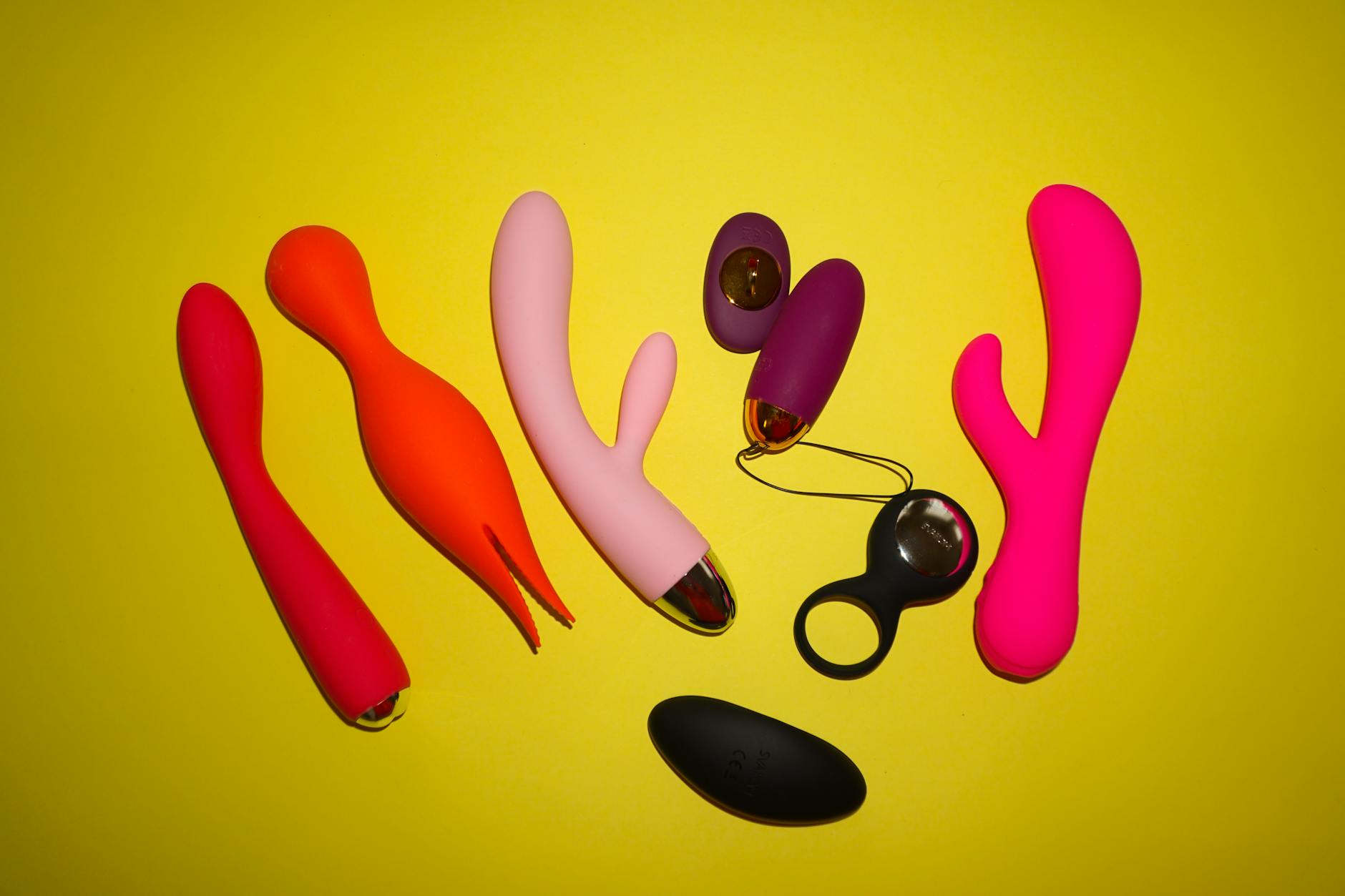
Photo by Magda Ehlers on Pexels
You might also explain that using a lemon clitoral vibrator solo or together doesn't change anything about what you do with your partner. Some people use them as foreplay. Some people use them solo and then have sex with their partner after. Some people use them together. It's flexible.
How to actually use it together if they're willing
If your partner gets to a place where they're curious or at least open, here's how you set it up to work.
Start slow. Lower settings first. You can explain the intensity levels and show them you're starting at level one or two. Your partner might feel more in control if they're the one controlling the intensity. That's genuinely fine. "Do you want to hold it? You can adjust it however feels good."
Communicate constantly. "That's good." "A little lighter." "More pressure." When your partner is actively participating in your pleasure and seeing that you're enjoying something, the anxiety often just. Disappears. They're not threatened by a sensation anymore. They're part of creating it.
Make sure there's plenty of non-toy intimacy happening too. If every time you have sex it now involves a lemon vibrator, your partner's anxiety is going to spike again. They'll feel like you won't be satisfied without it. So yeah, use it sometimes. Also have sex without it. Read about how lemon vibrators can support different phases of your cycle to understand how flexible these tools actually are.
What to do if they just stay uncomfortable
Sometimes you have a partner who is never going to be totally okay with toys in the relationship. They have a story about what that means, and the story is stronger than your logic.
At that point you have three honest options. One: you use toys when your partner isn't around and they don't come up in conversation. Two: you find a compromise that feels good to both of you (maybe toys happen outside the bedroom, or toys are not for partnered sex but okay for solo). Three: you decide this incompatibility is actually a bigger conversation about sexual autonomy and you might need to talk to someone together.
I'll be clear: your pleasure matters. Your curiosity about your own body matters. But how you explore those things in a relationship where your partner is already feeling insecure does matter too. The goal isn't to force them to be fine with something. It's to understand what they actually need and decide if that's something you can both work with.
The longer play
Often, a partner's anxiety about toys isn't really about toys. It's about feeling wanted, feeling capable, feeling like they matter in the relationship. As you're introducing a lemon vibrator, you're also rebuilding that sense of being central to your partner's pleasure, just in a new way.
Check in about the relationship stuff. When is the last time you made your partner feel genuinely desired? When is the last time you asked what they want sexually and actually listened without planning your response? Sometimes the toy anxiety softens because the relationship anxiety softens.
If you're both open to it, learning together about how lemon clitoral vibrators work and how to use them as part of your shared sex life can actually be intimate. You're exploring something new together. You're being vulnerable together. You're figuring out what works for both of you.
That's not a threat to your relationship. That's what building a deeper sexual connection looks like.
People also ask
What do I say if my partner says they feel replaced by a toy?
Don't argue that they're not being replaced. Instead, get curious about where that fear is coming from. Say something like: "I get why you'd feel that way. But I want you to know that's not what's happening. What would help you feel more secure about this?" Sometimes the answer is they need more affection outside of sex. Sometimes it's they want to be included. Sometimes it's they need reassurance that you still find them attractive. Answer the actual fear, not the stated objection.
How do I bring this up without making my partner feel bad about being anxious?
Frame it as something you want to explore, not something that's missing from your relationship. Say: "I'm curious about trying something new in our sex life" instead of "I need something different." Avoid language that sounds like criticism. Don't say "You don't satisfy me." Say "I want to understand my body better." Those are different conversations.
Can I use a lemon vibrator if my partner doesn't want me to?
Absolutely. Your body is yours. But if you're in a relationship where your partner has explicitly said they don't want toys involved, using one secretly is lying. Either you have a conversation about using toys independently from partnered sex, or you accept their boundary, or you decide the incompatibility is significant enough that you need to make a bigger choice about the relationship. Hidden behavior always creates more damage than honesty.
What if we try using a lemon vibrator together and my partner still hates it?
Then you stop using it in partnered sex. You can use it solo if you want, but pushing it when your partner is genuinely uncomfortable is prioritizing a toy over your partner's emotional safety. However, a lot of anxiety softens once someone actually sees and understands what's happening instead of imagining it. Give it a real shot before you decide it's hopeless.
How long does it usually take for a partner to get comfortable with toys?
It varies wildly. Some people go from skeptical to curious in a conversation or two. Some people take months. Some people never fully embrace it but they get to a place of acceptance. There's no timeline. Just keep communicating, stay patient, and don't weaponize the toy as a way to make a point about your autonomy.
Should I tell my partner about lemon vibrators before we get more serious?
If you know toys are important to you sexually, yes. This is worth knowing about each other early. Not on a first date, but before you're fully committed, it's fair to know if you and your partner have fundamentally different comfort levels with sex toys. That's real information for deciding if you're compatible.
What comes next
Introducing any tool, including a lemon clitoral vibrator, into a relationship where your partner is already anxious requires patience and honesty. It's not about winning an argument. It's about building trust and understanding.
Start by really listening to what your partner is afraid of. Move slowly. Include them in the exploration if they're willing. Keep the communication open. Your pleasure matters. Your partner's security matters. Both things are true at the same time.
If you're ready to have this conversation or work through the logistics, reach out. We can talk through what might work for your specific relationship.
Contact us if you need support navigating this with a partner.