Let's start with the real tension
Someone you care about is anxious about the idea of a lemon vibrator. Maybe they worry it means you're not satisfied. Maybe they think toys are a replacement for them, or a judgment on their performance. Maybe they've never seen one up close and the idea feels clinical or weird. Whatever the specific worry, the anxiety is real, and dismissing it won't make it disappear.
Here's what I've learned working with couples: the vibrator isn't actually the problem. The problem is usually fear. Fear of inadequacy, fear of being left behind, fear that pleasure has rules they don't understand. A lemon clitoral vibrator doesn't cause that fear. But it can trigger it if you don't approach the conversation with care.
Why partners get anxious about toys
There are usually three underlying fears happening at once.
Fear of replacement. This one comes up constantly. "If you use a vibrator, you won't need me." The logic is simple and understandable: toys are more consistent, they don't get tired, they hit exactly the same spot every time. Why would you want messy human sex if a machine is predictable? This fear usually masks a deeper one: "Am I enough?"
Fear of failure. Some partners internalize the idea that their job is to satisfy you, and if you need help, they've failed. A toy becomes evidence of their inadequacy. This is especially common if they've been raised on the myth that good sex is spontaneous, requires no tools, and should work on the first try.
Fear of judgment or weirdness. Some partners grew up in environments where sex toys were seen as desperate, kinky, or shameful. Introducing one feels like you're asking them to participate in something forbidden or embarrassing. They might worry what a vibrator says about you, or about them for agreeing to it.
All three of these are about connection, not about the vibrator itself. That's the frame that changes everything.
The conversation happens before the toy
Don't introduce the physical object first. That's like asking someone to trust you while keeping a secret. It doesn't work.
Start the conversation when you're not in the bedroom. Neutral territory, daytime, no pressure. Here's roughly how I'd frame it:
"I've been thinking about something, and I want to talk about it with you because I trust you and I care what you think. I've been interested in trying a clitoral vibrator. Not because anything is wrong, and not because I don't want you. I'm interested because I read that a lot of people find that toys can help them feel different sensations, and I'm curious. I wanted to tell you before I did anything, and I wanted to know what you think and how you feel about it."
Notice what's happening in that framing. You're positioning this as a conversation, not a demand. You're being honest about your motivation. You're explicitly saying this isn't a judgment on them. And you're inviting their feelings instead of dismissing them.
Then you stop talking and listen.
What to do with their anxiety when they express it
They might say: "I feel like you don't want me anymore." Or: "That feels weird." Or: "I don't know, it just makes me uncomfortable."
Don't argue. Don't minimize. Don't try to logic them out of it.
Instead: "I hear that you're uncomfortable. That makes sense. Let me tell you what I'm thinking." Then be specific and honest.
"A vibrator isn't a replacement for you. You are what I want. What I'm looking for is a different kind of stimulation that might help me feel something new. It's like the difference between wanting a massage and wanting sex. They're different things. Both can be true." Or: "I've been reading that a lot of people use toys during partnered sex, not instead of it. I was thinking maybe we could explore it together, and you'd be completely in control. You could decide what happens."
The key moves:
- Validate the feeling without validating the fear. "Your worry makes sense" is different from "Your worry is accurate."
- Separate the toy from what it means. The vibrator is a tool. It doesn't mean anything about you or about your relationship unless you agree it does.
- Offer agency. Anxious partners often feel things are being done to them. If you offer them control, the dynamic shifts.
- Be willing to slow down. If they're not ready, they're not ready. Pushing creates resentment, not trust.
How to introduce the physical object
If they're willing, don't just hand them a vibrator out of context. Bring it in during a calm moment, not during sex.
"I got one and I want to show you. There's no pressure about anything. I just want you to see what it actually looks like, because sometimes things feel less scary when you can hold them and understand them." Then hand it over. No performance. No expectation.
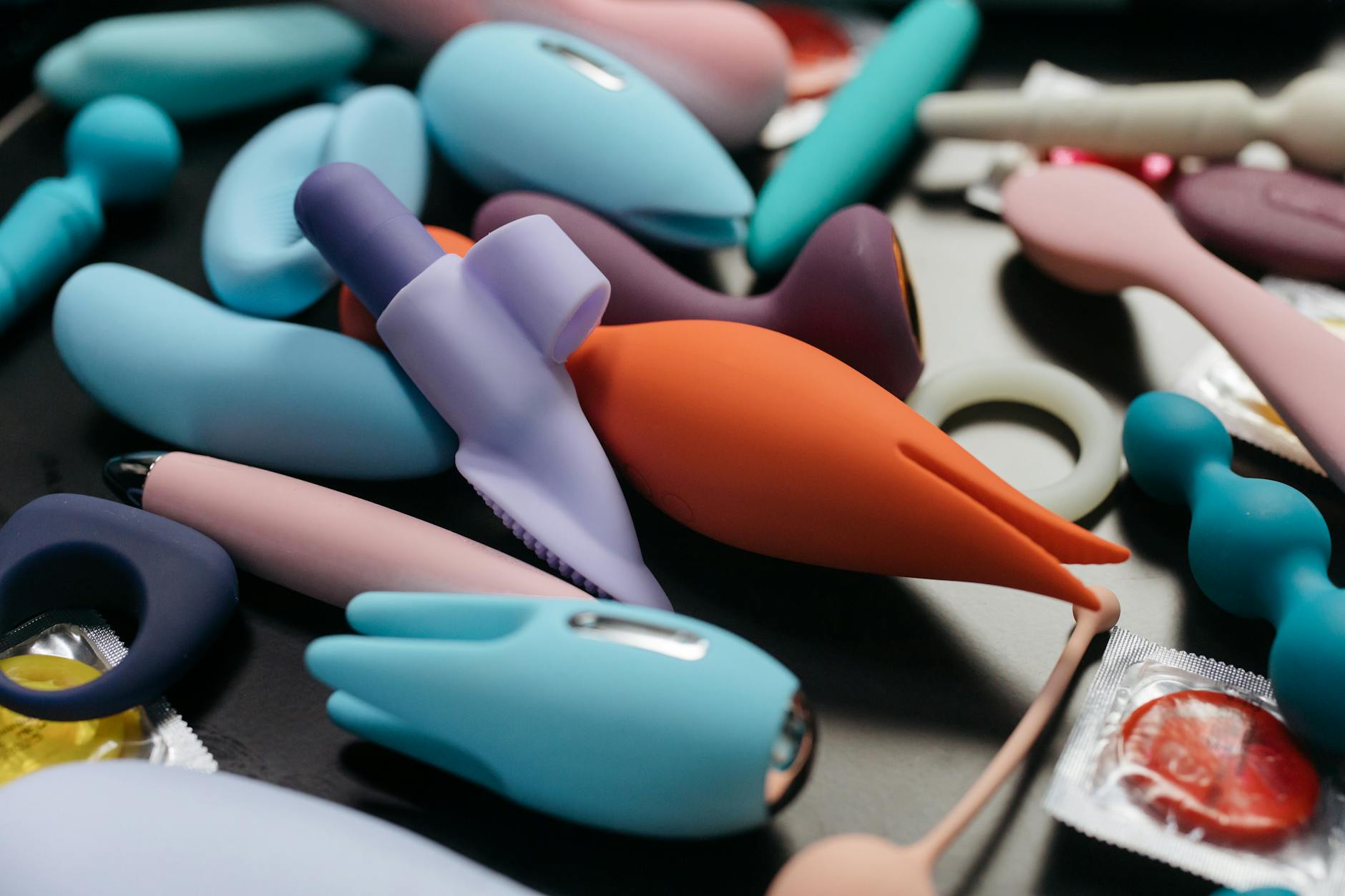
A lemon clitoral vibrator like those from Buy Lemon Vibrator is small, quiet, and doesn't look like a traditional vibrator. It looks like a toy. That matters for anxious partners. It feels less clinical and less intimidating than something phallic or large.
Let them ask questions. "How does it work?" "Is it loud?" "How would we use this?" Answer directly, without embarrassment. Your comfort with the object directly influences their comfort.
If they want to be involved from the start
This is actually the ideal scenario. Some anxious partners feel better when they have agency and understanding.
You might say: "I want to use this sometimes. Would you be interested in being part of that, or would you rather have solo time with this?"
If they want to be involved: "How would that feel? Like, would you want to hold it? Would you want to watch? Would you want me to explain what I'm feeling as it's happening?"
Their answer matters. Some partners feel more secure when they're involved directly. Some feel less anxious when they understand exactly what's happening. Some want to learn what turns you on by watching and asking questions. Let them design their own role.
If they want you to use it solo: That's legitimate too. You might say, "That makes sense. Would it help if I told you about it afterwards? Or would you rather I didn't bring it up unless you ask?"
Connecting pleasure back to partnership
This is the part most couples skip, and it's actually the most important.
After you've used a clitoral vibrator, after the initial anxiety has settled, make space to talk about what changed and what stayed the same. "That was different than I expected. I noticed I felt more present with you than I thought I would." Or: "It helped me understand my own body better." Or even just: "I'm glad we tried this together."
Mention specifically how partnership factors in. Maybe the vibrator makes you more responsive during sex with them. Maybe it helps you relax enough to enjoy touch you couldn't before. Maybe it just gives you both permission to be curious instead of stuck. Whatever it is, name it.
Anxious partners often need reassurance that isn't just "don't worry." They need evidence that the thing they feared actually brought you closer.
When anxiety stays high
Sometimes you do all of this and they're still uncomfortable. That's information. It might mean:
They need more time. Some people process things slowly. Patience isn't weakness. It's actually what builds trust.
They need different framing. Maybe "exploring together" feels safer than "I'm trying this." Maybe they need to research on their own first. Maybe they need to hear from other men that this is normal.
There's a deeper issue underneath. Sometimes anxiety about a vibrator is actually anxiety about intimacy, performance pressure, or unresolved hurt in the relationship. Those conversations might need a professional. That's not failure. That's clarity.
Or they genuinely aren't interested and that's okay. Not everyone wants to include toys in their sex life, and forcing it creates resentment. Your options are to accept that boundary or recognize that this is something you need differently and have a bigger conversation about what that means.
The reassurance framework that actually works
Anxious partners need three things:
- Clarity about what you want and why (not vague curiosity, but actual reasoning)
- Involvement or control over how it happens (not something done to them)
- Evidence that it brought you closer, not further apart (reassurance after, not just before)
When you thread all three together, most anxiety dissolves. Not because the worry was silly. But because it was addressed with honesty and care.
People also ask
Why do partners get defensive about clitoral vibrators?
Many partners tie their self-worth to being the sole source of their partner's pleasure. A vibrator can feel like evidence of failure, even though that's not accurate. This defense is usually about fear of inadequacy, not about the toy itself. The antidote is reassurance that's specific and repeated: "Your touch is what I want. This is something different." Anxiety doesn't disappear from one conversation. It fades through repeated evidence that your fear isn't coming true.
How do I know if my partner will ever be okay with using a lemon vibrator?
There's a difference between reluctance and refusal. Reluctance usually softens with information, involvement, and time. Refusal might be a genuine boundary or might be a sign that something deeper is going on in the relationship. If you've had multiple conversations, they still won't engage, and you're feeling frustrated, that's worth exploring with a couples counselor. Sometimes the block isn't about the vibrator. It's about trust, communication, or unspoken resentment.
Should I use a lemon vibrator without telling my partner?
No. Secrecy creates more anxiety down the line, not less. If they find out, the betrayal of the secret often matters more than the object itself. Honesty, even when it's awkward, builds trust. Secrecy erodes it. If you're afraid of their reaction, that's information that your relationship might need support in other areas too.
Can we use a lemon clitoral vibrator together if my partner is still nervous?
Absolutely. Sometimes direct involvement is exactly what settles anxiety. You might say: "I want us to try this together because I want to share it with you, not hide it." Let them hold it, let them decide the pattern, let them watch your face and learn what feels good to you. Shared exploration often feels safer than solo exploration, even for anxious partners. You're doing this together, not solo, which reframes the whole dynamic.
What if introducing a lemon vibrator creates distance instead of bringing us closer?
Distance usually means the conversation wasn't complete. Either they weren't ready, or there's a bigger relational issue underneath the anxiety. That's a signal to pause the vibrator plan and talk to each other about what's really happening. Sometimes it's just bad timing. Sometimes it's a symptom of deeper disconnection. Either way, rushing ahead makes it worse. Slow down, reconnect, and see if the resistance softens when the relationship feels safer.
How do I bring this up if we've never talked about sex toys before?
Start small. Don't lead with "I want to buy a vibrator." Start with curiosity. "I read something about clitoral vibrators and it made me curious. Have you ever thought about them?" Listen to their reaction without judgment. If they're open, you can go deeper. If they're closed, you now know you need to build more comfort before introducing the object. Conversations about sex toys often need multiple small touchpoints, not one big reveal. Think of it like slowly adjusting temperature, not flipping a switch.
The bottom line
Partner anxiety about a lemon vibrator is usually not about the vibrator. It's about fear of inadequacy, fear of change, or fear of judgment. Those fears dissolve when you approach the conversation with honesty, invite their involvement, and follow through with reassurance.
The vibrator isn't what builds intimacy here. The conversation does. The willingness to be vulnerable about what you want. The willingness to listen to their fears without dismissing them. The commitment to moving forward together instead of separately.
If you're ready to have that conversation, you're already halfway there.