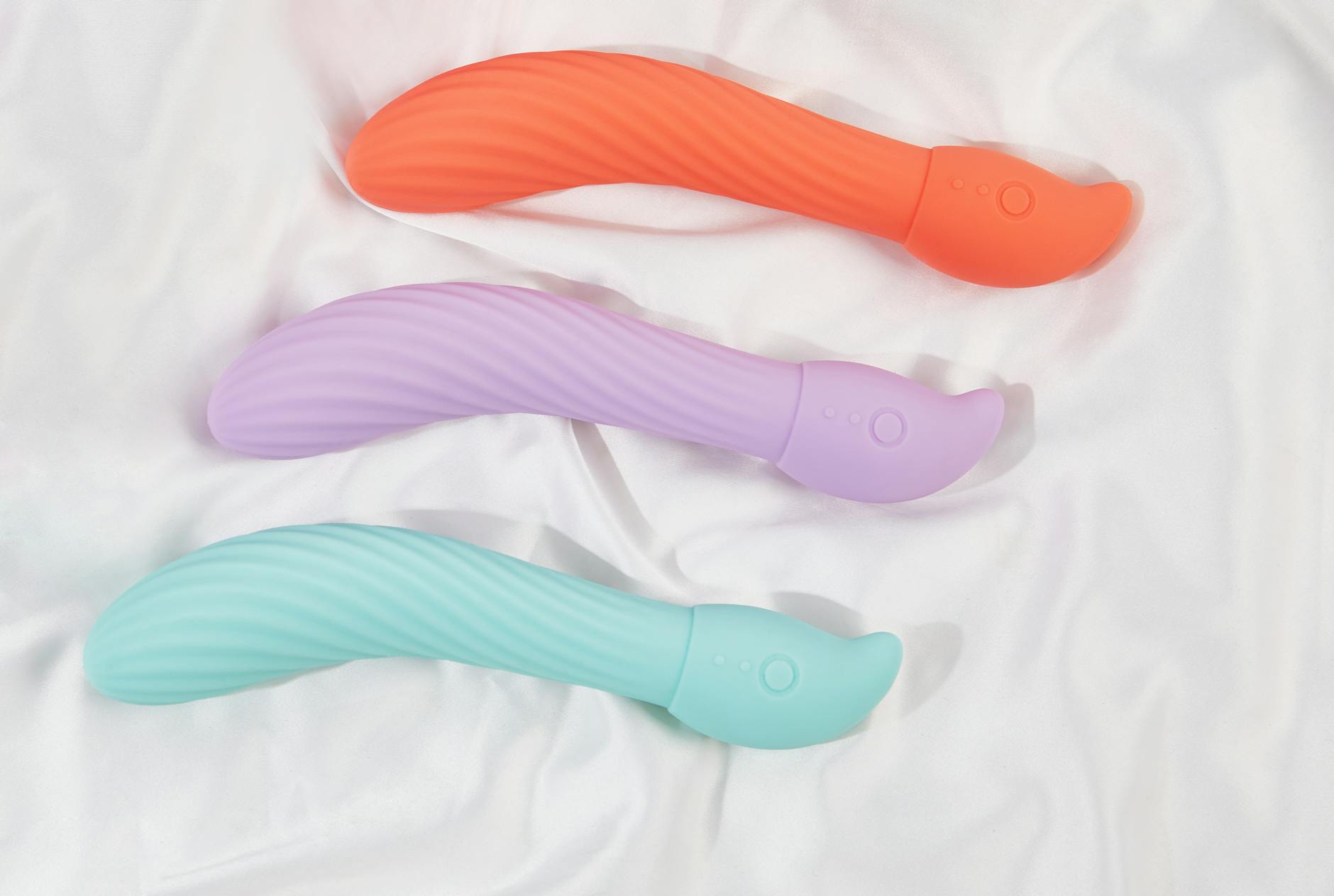
Let's talk about what lube actually does
I know this sounds basic. It's not. Most people think lubricant is about ease of entry or reducing friction. That's part of it, but it's nowhere near the whole story. When you're using a lemon vibrator or any clitoral suction toy, lubricant fundamentally changes how the suction seal works and how stimulation feels against sensitive skin.
Here's what happens: the suction mechanism on a lemon vibrator (or lem vibrator, if you're using Hello Nancy's model) creates a gentle vacuum that stimulates the clitoris in a completely different way than traditional vibration. Add lubricant to that equation, and you've changed the pressure dynamics, the glide, and the intensity distribution across your skin. Some people find they need less intensity with lubricant. Others discover sensations they couldn't access without it.
Water-based vs. silicone vs. hybrid lubes
Not all lubricants are created equal. If you're using a lemon sexual toy made of silicone—which most quality models are—your lube choice matters for both performance and safety.
Water-based lubricants are your safest bet with silicone toys. They don't degrade the material, they rinse off completely, and they dry down over time if you're going longer than 20 minutes. This last part isn't a flaw; it actually lets you control the glide yourself by adding more. Water-based lubes tend to feel lighter and more natural, and they're compatible with every toy material out there. The trade-off is that they do need reapplication if you're going for an extended session.
Silicone-based lubricants feel richer and last way longer than water-based options. They're phenomenal for extended sessions because you're not constantly reapplying. The problem? They will damage silicone toys over time. If your lemon vibrator has any silicone components—and most do—silicone lube will compromise the material. Stick with water-based if you want your toy to last.
Hybrid lubes try to split the difference. They're water-based with a silicone component. They last longer than pure water-based but are safer for silicone toys than full silicone lubes. They're a decent middle ground if you want staying power without the material damage risk.
My recommendation? Start with a quality water-based lube. The Hello Nancy lemon clitoral vibrator and other silicone toys benefit from this choice, and you'll get reliable results without worrying about degradation.
How to apply lubricant to your lemon sucker
Application matters more than you'd think. Here's the technique that works best for lemon vibrators and similar suction toys.
Method 1: Apply to the toy first. Put a small amount of lubricant directly onto the silicone cup or suction head. You don't need much—roughly a quarter-sized amount is a good starting point. Spread it around the rim and cup surface with your finger. This ensures even distribution and lets you feel where the lube is before you introduce the toy.
Method 2: Apply to your skin. This is my preference for most people. Apply a dime to quarter-sized amount of lubricant directly to your clitoris and the surrounding labia. Gently spread it with your finger, creating a smooth, lubricated base. Then introduce the lem vibrator to this prepped surface. This method gives you more control over intensity because you can feel the concentration of lube before the toy makes contact.
Method 3: The hybrid approach. Use a tiny bit on the toy and a bit more on your skin. This method is perfect if you're worried about the suction feeling too intense without lube, or if you're new to lemon sexual toys and want to dial in comfort gradually.
Start with less lube than you think you need. You can always add more. Too much lube can actually reduce the suction seal and make the sensation less effective. It's a dial, not a switch.
Adjusting intensity and comfort with lubrication
One of the biggest discoveries people make is that lubrication completely changes which intensity setting works for them. Here's why: lube creates a different kind of seal against your skin. With less friction, the suction might feel stronger at the same setting because it's not being diffused across dry tissue.
If you've been using your lemon vibrator on setting 3 or 4 without lube and it feels intense, start at setting 1 or 2 with lubricant. As you're getting accustomed to the new sensation, you can gradually increase. Some people find they actually prefer lower settings with lube because the stimulation is cleaner and more focused.
The comfort angle matters too. If you're experiencing any sensitivity or if your tissue feels delicate, lemon vibrator too sensitive options get exponentially better with proper lubrication. The lube acts as a buffer between the toy and delicate skin, making even higher intensities feel more manageable.
For anyone with naturally less lubrication—whether that's from hormonal changes, medication, or just variation—water-based lube with your lemon clitoral vibrator isn't optional. It's essential for both comfort and actual pleasure.
Lube for longer sessions and partner play
If you're planning to use your lemon vibrator for an extended period—say 30 minutes or longer—reapplication is your friend. Water-based lubes naturally dry down as they're absorbed. Set a timer or just pay attention to how the sensation changes. When it starts to feel less smooth or the suction feels drier, add more lube. You don't need to start from scratch; a few extra drops in the cup or on your skin is usually enough.
For partner play with a lemon sucker, lubrication becomes even more important because your partner controls the pressure and angle. Lube lets them work with the toy more intuitively and gives you—the person receiving—more flexibility to adjust your position without the friction becoming uncomfortable.
If your partner is new to using your Hello Nancy toys, applying lube first actually makes the learning curve gentler. They can see exactly where the toy is making contact and feel the difference between settings without skin friction complicating the sensation.
Lube temperature and sensation play
Honestly, this is the fun part. Warm lubricant feels completely different than room-temperature lube. If you want to experiment, warm your water-based lube by running the bottle under warm water for 30 seconds (not hot water; test it on your wrist first). The warmth makes the lube feel more like your own body's moisture and often intensifies the sensation of suction because there's less contrast between toy and skin temperature.
Some people go the opposite direction and briefly chill their lube in the fridge. Cooler lube can feel refreshing and slightly more intense. The key word is "briefly." You're not making a popsicle; a few minutes in the cold section is enough.
These small details transform the experience from good to really memorable.
Cleaning and maintaining lubricated toys
Lubricated toys need proper cleanup. This isn't hard, but it's worth doing right. After your session, rinse your lemon vibrator under warm water. The water will dissolve water-based lube. Use a soft cloth or your finger to gently remove any lube residue from the cup and seams. If lube has worked into crevices, use a small brush designed for toy cleaning or even a soft toothbrush.
Dry the toy completely before storing it. Lube left on the surface can trap bacteria or dust. A microfiber cloth works great for this. Store your toy in a clean, dry place away from direct sunlight.
The good news? Water-based lubes rinse away way easier than silicone lubes. This is another reason to stick with water-based options for your silicone toys.
Finding what works for your body
Every person's body is different. Your tissue sensitivity, natural lubrication, and response to suction all vary. Some people need lube every single time. Others use it only occasionally. Some discover they prefer higher intensities with lube; others go lower. There's no "right" setup except whatever feels best for your body.
Start with quality water-based lubricant, apply it thoughtfully, and pay attention to how your sensation changes. If you're just getting started with a lemon vibrator, your first device guide has additional foundational tips. If you're troubleshooting pain or discomfort, lubrication often solves the problem before you need anything else.
Your pleasure deserves this level of attention. These small technical details—the right lube, the right amount, the right application—are what take a toy from good to genuinely transformative.
FAQ
Can I use coconut oil as lubricant with my lemon vibrator?
Coconut oil feels luxurious and many people love it for partner intimacy, but it's not ideal for silicone toys. It can break down silicone over time, just like silicone-based lubes. Stick with water-based options for your Hello Nancy lemon clitoral vibrator if you want it to stay in good condition. If you want that rich feeling, hybrid lubes give you similar luxury with better material safety.
How much lubricant should I use with my lem vibrator?
Start small. A quarter-sized amount is usually perfect. You're not trying to create a puddle; you're creating a smooth, slick surface that changes how the suction feels. Add more if the sensation dries out during your session. Less lube means more intense suction and sensation. More lube means softer, more diffused sensation. Adjust based on what feels good to your body.
Does lubricant reduce the suction feeling of a lemon sucker?
It changes it rather than reduces it. The suction mechanism still works, but the pressure distribution is different. Some people find the sensation is cleaner and more focused with lube. Others prefer the intensity without it. Try both and notice what your body responds to. There's no universal answer here.
Is water-based lubricant safe to use internally and externally?
Quality water-based lubes are safe for both. Your clitoris and vulva are absorbent tissue, so what touches them gets absorbed. That's why choosing a lube made from skin-safe ingredients matters. Check the ingredient list; you want to avoid anything with glycerin if you're prone to yeast infections, and avoid anything with parabens if your skin is sensitive. Good lube brands disclose their ingredients clearly.
Can I use the same lubricant for partner play with my lemon vibrator?
Absolutely. If you're using a water-based lube that's safe for your body, it's safe for your partner to touch and be around. Apply it the same way you would for solo use. Your partner just needs to understand that water-based lube dries down over time, so they might need to add more if you're going longer than 20-30 minutes.
What's the difference between lube designed for toys vs. regular personal lubricant?
Not much, honestly. "Toy lube" is often just marketed personal lubricant. The key is that it's water-based and made from body-safe ingredients. Read the label more than the marketing. A good personal lubricant made from simple ingredients works perfectly with your lemon sexual toys. You don't need to buy specialty products; you just need to buy quality ones.