Let's name what you're actually dealing with
Here's the thing about mismatched libido in a long-term partnership. It's not a crisis. It's not a sign your relationship is broken. But if you're treating it like a minor scheduling conflict, you're making it worse, not better.
One person wants sex twice a week. The other wants it twice a month. One person initiates often and feels rejected. The other feels pressured and shuts down further. The rejection stings. The pressure feels like work. And suddenly sex isn't about connection anymore. It's about score-keeping.
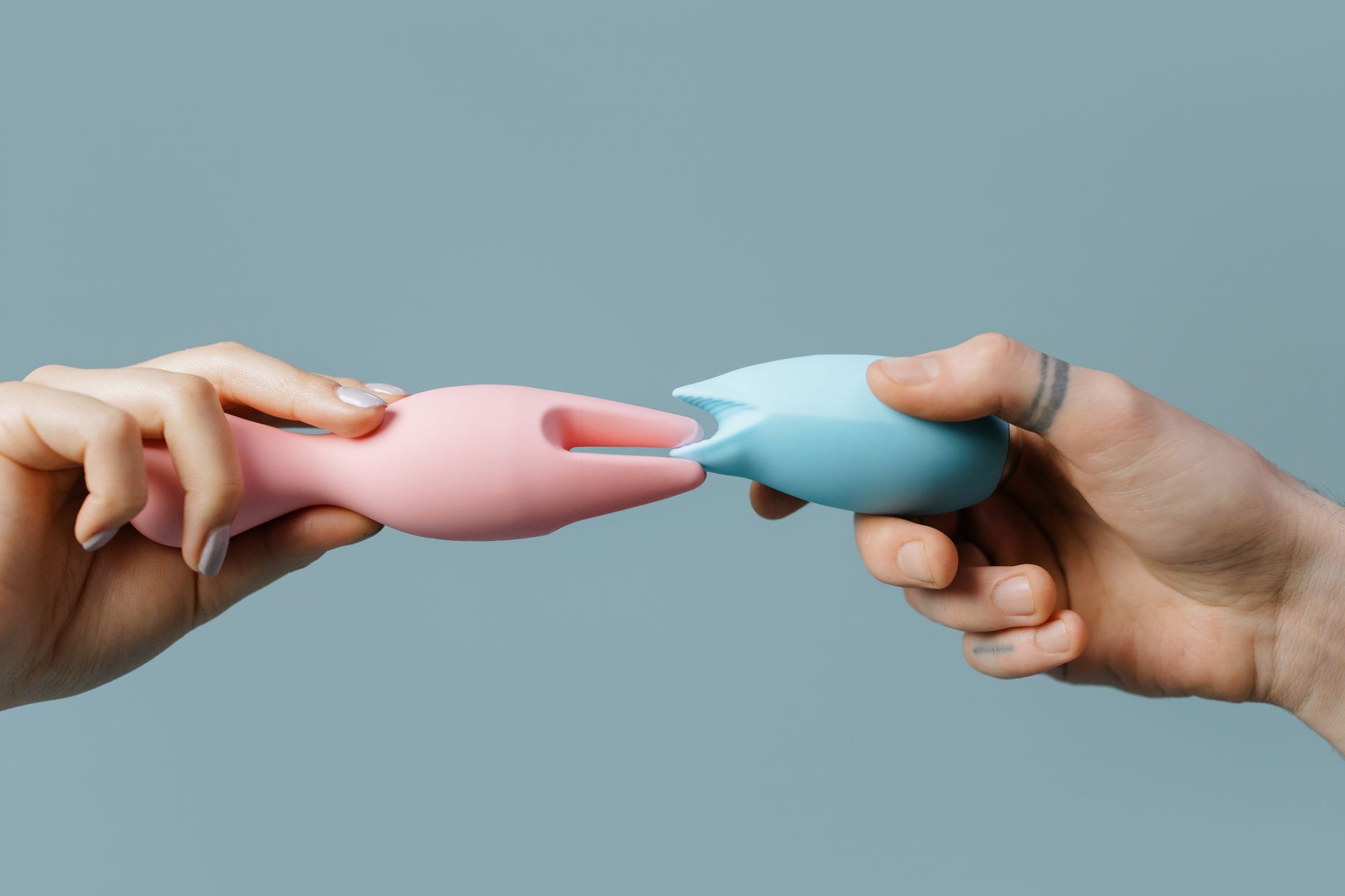
That's where most couples get stuck. But introducing a lemon clitoral vibrator into this space doesn't fix the mismatch. Instead, it reframes the entire conversation from "Why don't you want me?" to "How do we both feel good, separately and together?"
Why mismatch happens (and it's not what you think)
Most people assume mismatched desire is about attraction. One partner stopped finding the other hot. That's rarely true, and it's almost never the whole picture.
Mismatched libido usually means mismatched recovery time, stress loads, or how each person accesses desire. Someone with a lower desire frequency often isn't broken. They're wired differently, stressed differently, or they need different conditions to feel aroused.
Here's what I see constantly in my practice. The higher-desire partner initiates, gets rejected, feels hurt, and pulls back emotionally. The lower-desire partner senses that emotional withdrawal and feels relieved (finally, no pressure) but also anxious (is my partner losing interest in me?). Both feel misunderstood. Both feel like they're doing something wrong.
A lemon vibrator changes this dynamic because it separates individual pleasure from couple pleasure. Your partner can enjoy an orgasm solo while you're nearby, or you can both engage without it being "sex" in the traditional sense.
The conversation before the vibrator arrives
Do not order a lemon sexual toy and surprise your partner with it on the bed. That's a fast track to defensiveness.
Instead, have a conversation. Not during sex or right before it. Over coffee on a weekend morning. Make it clear this isn't about fixing them. It's about both of you getting what you need.
Start here: "I've been thinking about our physical connection. I miss you. I don't want sex to be something that creates distance between us. Can we talk about that?"
Then listen. Actually listen. Not to defend yourself or explain why they should want sex more often. Listen for what's underneath. Are they tired? Stressed? Do they feel pressure? Do they want closeness but sex feels too goal-oriented? Do they have a lower frequency and that's just how they're built?
Once you understand that, you can say something like: "I found something I want to try. It's a lemon clitoral vibrator. The idea is that we don't have to want sex at the same frequency to both feel good and stay connected. You could enjoy this solo. Or we could use it together when you want something different than what I want. No pressure, and we can talk about it more."
Make it an option, not a solution. That matters.
How a lemon vibrator actually bridges the gap
There are three ways this plays out, and they're all useful.
Scenario one: Solo pleasure without scheduling conflict. Your partner has lower desire. You have higher desire. Instead of you initiating and your partner feeling obligated, your partner can satisfy themselves when they feel like it. You get your sexual expression. They don't feel cornered. The pressure lifts. Weirdly, once the pressure lifts, many lower-desire partners become more interested in partnered sex. Not always. But often.
Scenario two: You together, but differently. You want sex. Your partner wants closeness but isn't in the mood for traditional sex. One of you uses a lemon clitoral vibrator. The other is nearby, present, touching, connecting. You both get pleasure. It's not what either of you expected, but it's intimate and it works.
Scenario three: Parallel pleasure. You're both in bed. You're doing your thing. They're doing theirs with a lemon vibrator. You're present with each other but not dependent on the same arousal timeline. This sounds strange until you try it, and then it becomes wildly normal.
All three reduce the emotional charge around sex. It stops being about whether someone wants you enough. It becomes about what feels good and how to make space for that together.
The practical adjustments
Once your partner is on board, here's what actually works.
First, let them choose how to use it. Some people want to use a lemon sucker vibrator solo while their partner reads beside them. Some want to use it together during foreplay. Some want to use it as the main event. There's no wrong way, but letting them decide removes any residual weirdness.
Second, start with low intensity. A lemon vibrator like the Lem is powerful. Even if your partner has used vibrators before, suction feels different than traditional vibration. Lower settings give them a chance to explore without overwhelming themselves.
Third, make sure you're communicating during and after. "Does this feel good? Too intense? Want me to adjust anything?" This turns it into a team activity, not a performance.
Fourth, don't make it the only way you have sex now. If a lemon clitoral vibrator becomes the only path to your partner's pleasure, you've created a new problem. It's a tool that bridges mismatched desire, not a replacement for everything else.
What happens to desire when you remove the pressure
This is the part that surprises most couples. Once the lower-desire partner knows they can say no without creating a catastrophe, sometimes they want sex more often.
This happens because desire and pressure are inversely related. The more pressure someone feels, the less they want. The less pressure they feel, the more they can access their own interest.
I had a couple in my office where the wife wanted sex once a week and the husband wanted it three times a week. After six months of using a lemon vibrator and removing the scorekeeping, they were having sex twice a week and it felt connected instead of obligatory. The husband's extra desire got met through solo pleasure. Her need for less frequent partnered sex got honored. Both felt good.
This doesn't always happen. Desire frequencies are sometimes just different, and that's okay. But the emotional tone completely shifts when you're not fighting about it.
The stuff nobody talks about
Here's what typically goes unsaid. Mismatched desire can feel like rejection, and rejection accumulates. Over time, the higher-desire partner stops asking. The lower-desire partner stops noticing they're not being asked. You end up as roommates who used to be lovers.
A lemon sexual toy doesn't fix that pattern by itself. What fixes it is honesty. You have to look at your partner and say, "I miss feeling wanted. I miss being close to you. I don't need it to be the same frequency as before, but I need something different than nothing."
And the lower-desire partner has to say something true too. "I don't feel broken, but I do feel guilty. And I shut down more when I feel guilty. I want to connect with you, but I need it to happen without pressure or timelines."
Once those two things are said out loud, a lemon clitoral vibrator becomes a practical solution instead of a last resort.
When to ask for outside help
If you've had this conversation and nothing shifts, talk to a couples therapist. Mismatched desire sometimes masks something deeper: unresolved conflict, emotional disconnection, or deeper incompatibility around intimacy needs.
A vibrator is a tool. A good one. But it's not therapy.
Same thing if one partner feels coerced or strongly resistant. Don't push it. Go get professional support to figure out what's underneath the resistance.
The ending that actually works
Mismatched desire is one of the most common relationship challenges, and it's also one of the most solvable. Not by pretending you both want the same thing. But by getting honest about what you each want and building a sexual life that honors both.
A lemon vibrator is a tool for that. The real work is the conversation before you buy it and the communication after. But once you've done that work, pleasure stops being something you fight about and starts being something you build together.