Here's what nobody tells you about antibiotics and sex
You get a urinary tract infection, a respiratory bug, or a skin infection. Your doctor prescribes antibiotics. You take them faithfully for the full course, grateful they're working. Then you notice: your clitoral sensation feels muted. Touch that would normally spark interest leaves you flat. Orgasms feel distant. And you wonder if something's wrong with you.
It's not. Antibiotics genuinely alter sensation during the course of treatment, and it's a side effect almost nobody discusses.
Why antibiotics change how pleasure feels
Three mechanisms are at play here, and understanding them changes how you approach pleasure during treatment.
First, antibiotics disrupt your microbiome. Your gut bacteria produce neurotransmitters like serotonin and dopamine. Kill the bacteria, and you're temporarily depleting your dopamine and serotonin supply. Low dopamine flattens desire. Low serotonin makes everything feel foggy. That fog settles directly on your nervous system's ability to register clitoral stimulation as pleasurable.
Second, certain antibiotics (particularly fluoroquinolones and tetracyclines) can trigger a temporary neuropathy. The medications can irritate nerve endings, making sensation feel dulled or misaligned. This is rare in severe form but mild tingling or numbness in the clitoris is surprisingly common during treatment and usually resolves within a week or two after you finish.
Third, antibiotics can elevate your inflammatory markers even while fighting infection. Inflammation suppresses nerve signaling. Inflamed tissues don't transmit sensation as clearly as healthy ones. Your clitoris becomes less responsive to input.
The good news: all of this is temporary. But it creates a real problem during those seven to ten days of treatment. Conventional vibrators, which rely entirely on rapid mechanical vibration, demand a lot from already-dulled nerve endings. They're loud, repetitive, and require your nervous system to be firing on all cylinders to register pleasure.
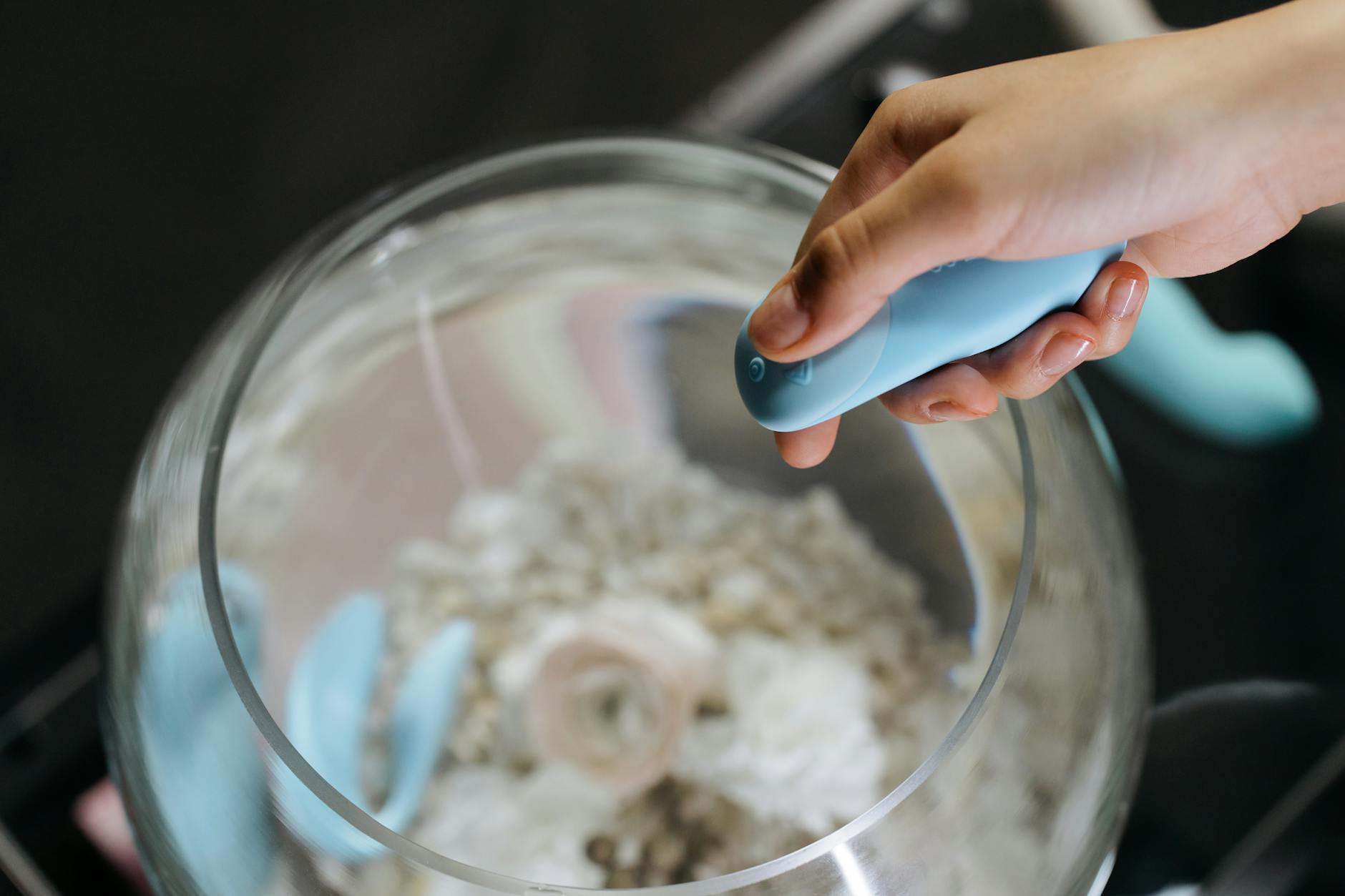
Photo by cottonbro studio on Pexels
Why suction cuts through the fog
This is where lemon vibrators and suction-based clitoral toys shift the game entirely. Instead of vibrating at your tissue, a lemon clitoral vibrator uses gentle rhythmic suction to stimulate the thousands of nerve endings in and around the clitoris. That's a fundamentally different signal.
Here's the practical difference: vibration requires your nervous system to register thousands of tiny impacts per second. When your serotonin is depleted and inflammation is running high, that signal doesn't get through. Suction, by contrast, creates a pressure wave that engages nerves in clusters. It's a bigger, bolder signal. Your nervous system catches it even when it's struggling.
A lemon sucker isn't overriding the numbness; it's speaking a language your temporarily dampened nervous system can actually hear.
Research on suction-based stimulation shows it activates a broader network of sensory receptors than vibration alone. During medication-induced sensory dampening, that broader activation matters. You're not relying on fine-tuned nerve response. You're creating stimulation that's robust enough to penetrate the fog.
The pressure settings matter more now
When you're on antibiotics, start lower on your Hello Nancy lemon vibrator than you normally would. Your tissue is more inflamed and your nervous system is more vulnerable. Begin at pattern 1 or 2, which might feel insufficient if you're used to higher settings. Give it five minutes. Your body will tell you whether to increase.
Many people find that during antibiotic treatment, the lower suction intensities actually feel better than their usual go-to setting. This isn't weakness. It's your nervous system being smart about what it can handle. Listen to it.
The beauty of a lemon clitoral vibrator during this phase is that you don't need to crank it up to feel it. The suction does more with less pressure. Traditional vibrators often require increasing intensity to compensate for numbness. That creates a frustrating spiral: numb sensation, turn it up, still numb, turn it up more. With a lem vibrator, you work with your body's reduced capacity instead of against it.

Photo by Olga Lioncat on Pexels
Combining suction with other recovery strategies
A lemon vibrator isn't a standalone fix. You're dealing with a temporary nervous system state, so supporting recovery speeds up the return to normal sensation.
Rebuild your microbiome. If your doctor approves, a targeted probiotic (not the supermarket kind; work with a functional medicine practitioner) can rebuild your gut bacteria faster. In seven to ten days, you can't fully restore your microbiome, but you can accelerate recovery.
Hydrate more than usual. Antibiotics are metabolically demanding. Dehydration compounds inflammation. Drink water, electrolytes, and avoid alcohol until the course is done. Your nervous system will thank you.
Use water-based lubricant generously. Inflammation makes tissues drier and more reactive. A slick surface reduces friction sensitivity, which helps when your clitoris is already tender. The lube layer also buffers sensation, making suction feel smoother rather than harsh.
Extend your warm-up time. When sensation is muted, you need longer to build arousal. Budget 20 to 30 minutes instead of your usual rhythm. Slow down. Your nervous system needs the extra time to fire up the cascade of chemical signals that lead to pleasure.
Skip the traditional vibrators entirely during this window. If you rely on a regular vibrator and it suddenly doesn't feel like anything during antibiotics, resist the urge to use it anyway. That creates a frustrating mental loop where pleasure feels impossible. Instead, switch to a lemon clitoral vibrator, which will feel distinctly different and better.
When numbness persists after antibiotics
Most people regain normal sensation within a week of finishing antibiotics. Your microbiome begins rebuilding, inflammation drops, and dopamine and serotonin climb back to baseline.
If numbness or dulled sensation lingers more than two weeks past the final dose, mention it to your doctor. Rarely, antibiotics can trigger a more persistent neuropathy that benefits from specific treatments. More commonly, lingering sensory changes are tied to the broader recovery window. Your body might need another week of microbiome support and rest.
In that extended recovery phase, lemon vibrators remain your best tool because they're still generating enough signal to cut through residual numbness. By the time you're back to normal sensation, you'll probably find yourself preferring the suction approach anyway. Many people who discover clitoral suckers during a period of medication-induced numbness never go back.
How to talk with your partner about this
If you're in a relationship, the medication period creates a conversation opportunity. Let your partner know: "My nervous system is temporarily dampened by antibiotics. My body needs different kinds of stimulation right now. This isn't about you or our dynamic. It's biology doing its job."
Lemon vibrators invite couples to explore together during this time. The suction sensation feels new and different to most partners too. Instead of the typical scenario where medication kills desire and both people feel stuck, you're both trying something novel that actually works during this window. It becomes something you're doing together rather than something that's happening to you.
After antibiotics, you might both want to integrate suction-based stimulation into your regular rhythm. That conversation doesn't have to wait for medication to end.
FAQ: Lemon Vibrators and Antibiotics
Does using a lemon vibrator while on antibiotics speed up recovery?
No, but it does make the temporary sensory changes far less frustrating. A lemon clitoral vibrator won't heal your microbiome or resolve inflammation faster, but it cuts through the numbness created by those processes. Using pleasurable sensation as a tool while your nervous system recovers isn't medicinal. It's basic self-care. Your nervous system processes reward signals differently when dopamine and serotonin are depleted, and the lemon vibrator's broader suction signal reaches nerves even in that state.
Which antibiotics cause the most numbness?
Fluoroquinolones (like ciprofloxacin) are most likely to trigger neuropathy, including temporary clitoral numbness. Tetracyclines and macrolides can cause mild sensory dulling through microbiome disruption and inflammation. Standard penicillins typically cause less noticeable sensation changes. Ask your prescribing doctor which category your antibiotic falls into. If it's a fluoroquinolone, expect the sensory shift to be more pronounced.
Can I use my regular vibrator on a higher setting to compensate?
You can, but you'll create frustration instead of pleasure. Higher vibration intensity on already-numb tissue often just feels harsh without producing arousal. Many people escalate intensity on traditional vibrators during numbness and end up feeling worse. Suction works at lower intensities because it engages sensation differently. Stick with a lemon vibrator during this window instead of fighting your body's temporary state.
How long after finishing antibiotics until sensation returns?
Most people notice sensation returning within three to seven days of the final dose. Full microbiome recovery takes weeks, but nerve sensitivity and dopamine production bounce back faster. If you're still noticing significant numbness two weeks after finishing, follow up with your doctor. It's usually not concerning, but lingering neuropathy occasionally needs attention.
Is it normal for orgasms to feel different on antibiotics?
Completely normal. Lower dopamine, inflammation, and temporary nerve dampening all change how orgasms register. Some people find orgasms feel delayed or less intense. Others describe them as feeling "farther away" mentally. Your nervous system is altered temporarily. Pleasure still exists, but the path to it and the sensation of it are shifted. This returns to baseline after treatment ends.
Should I avoid masturbation while on antibiotics?
No. If your body wants pleasure and you have a tool that delivers it comfortably, use it. The concern isn't that pleasure speeds up or slows down recovery. It's that using an ineffective tool creates frustration. A lemon vibrator cuts through medication-induced numbness in a way traditional vibrators often can't. Using it feels good and supports your mental health during an annoying medical period. That's reason enough.
The takeaway
Antibiotics change sensation, and that's a real side effect worth planning for. When you know it's coming, you can stock up on lubrication, extend your warm-up time, and reach for a tool that actually works during that window. A lemon clitoral vibrator isn't a workaround; it's a smarter choice for your temporarily altered nervous system.
Your pleasure doesn't pause for infection. It just needs to be spoken to in a language your body can hear right now. Suction does that. Your sensations will return to normal. In the meantime, feel good on your own terms.
If you have questions about how your specific medication might affect sensation, or want to explore what kind of stimulation feels best during your recovery, reach out to our team at Hello Nancy.