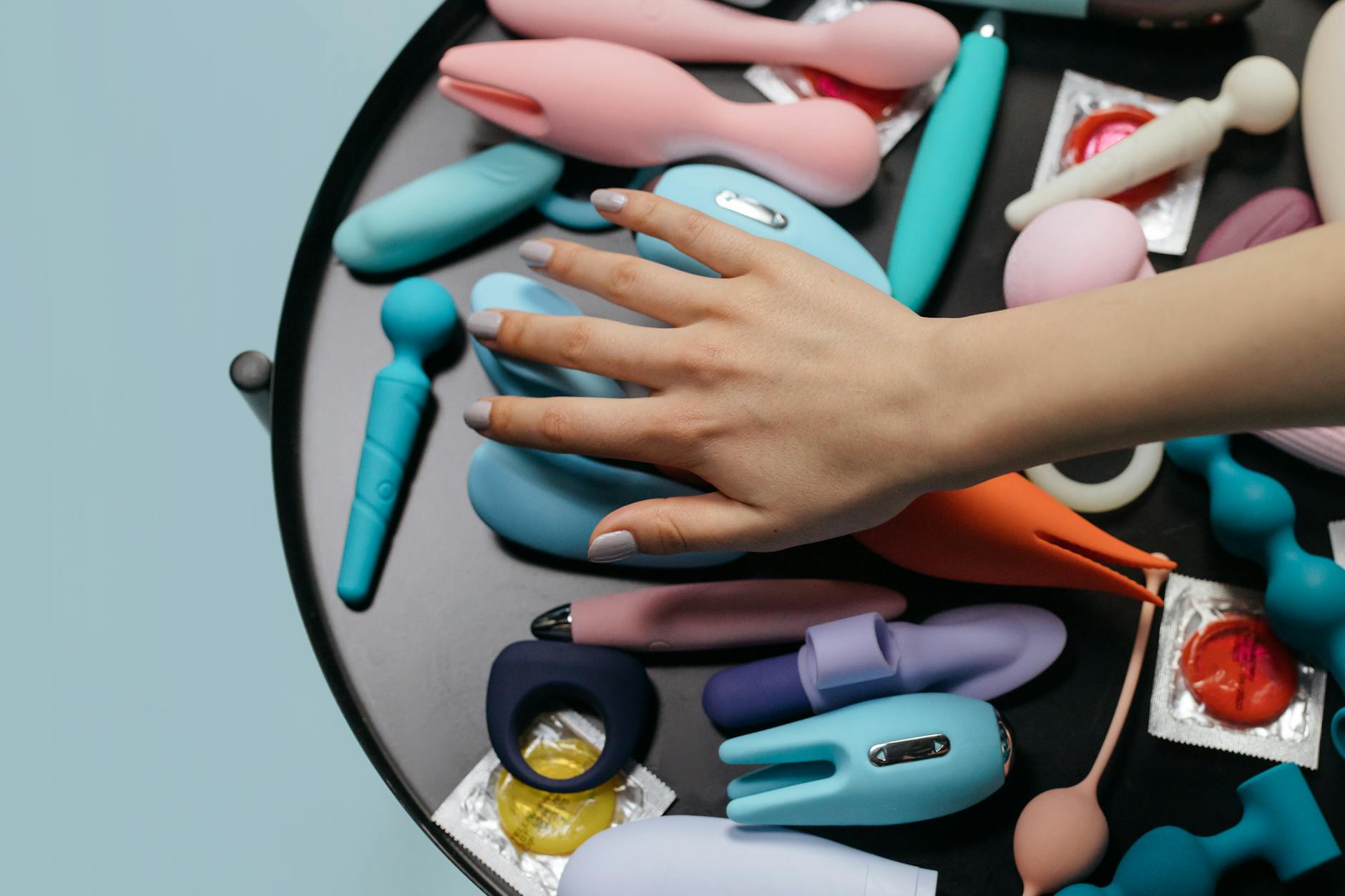
Here's what makes this conversation harder than it should be
You've been thinking about bringing a lemon vibrator or other clitoral vibrator into your intimate life, but the gap between thinking about it and saying it out loud feels impossibly wide. You're worried he'll feel replaced. She might feel inadequate. They might think you're unsatisfied, bored, or asking them to change. And honestly? Some of that worry is legitimate. The conversation does matter. It can either deepen things or create distance.
But it doesn't have to go sideways. The reason most of these conversations fail is that they happen backward. People wait until desire is high, throw it out mid-session, or lead with the toy itself rather than the actual reason they want it. That's a recipe for defensiveness.
What this conversation is actually about
Let me be direct: introducing a lemon clitoral vibrator isn't about the toy. It's about you saying "I want to explore what feels good, and I want to do it with you." It's about admitting that desire matters to you. It's about asking your partner to lean in instead of shut down.
Most partners aren't threatened by the tool. They're threatened by the feeling that they're not enough, that the conversation means you're unhappy, or that you're going to leave them chasing bigger sensations. So the conversation has to address those fears directly.
The best time to talk about this is when you're both calm, clothed, and not trying to have sex. I know that sounds clinical. It's actually the opposite. It's the most honest place to start.
How to actually open the conversation
Start with yourself, not the toy. Something like: "I've been thinking about my own pleasure lately, and I realized I'm not exploring things that might feel really good for me. I want to try using a clitoral vibrator, and I'm nervous about bringing it up because I don't want you to feel like you're not enough. You're absolutely enough. This is about me knowing myself better, and I want you to be part of that."
That's doing three things at once: it's honest about your desire, it's naming the fear you think they might have (so they don't have to), and it's explicitly inviting them in.
Stay away from comparisons. Don't say, "I can't orgasm easily with just penetration." Say, "I want to explore different sensations that feel good to my body." One sounds like a problem he or she needs to fix. The other sounds like discovery.
What to say if they get defensive
Most partners won't. But some will say things like, "Isn't that what I'm here for?" or "Why do you need a toy if we have each other?" When that happens, don't defend the toy. Go back to the relationship.
Try: "That's fair. And yes, you're here for me. I want you to stay here for me. What I'm realizing is that pleasure is something I want to know more about. Some of that might come from exploring on my own, and some might come from us playing together. I'm asking you to explore this with me because I want us to be closer, not further apart."
If they need reassurance, give it. "Nothing changes about what I feel for you. This adds to what we have." If they need time, offer it. "We don't have to do anything right now. I just wanted you to know what I'm thinking about." People rarely stay defensive when they feel truly heard.
The difference between "I want to use this" and "Let's use this together"
These are two completely different conversations. One is about your solo pleasure. The other is about shared exploration. You don't have to decide now which one feels right. But know the difference before the conversation.
If you want to use a lemon clitoral vibrator alone, say that. "I think I might explore this on my own first to get comfortable with it. Then maybe we can play with it together if that feels good." Most partners feel way less threatened by that than by the surprise of you wanting something different mid-session.
If you want to use it together from the start, frame it as play, not as a fix. "I've been curious about this, and I think it could be fun to try together. Want to explore something new with me?" That's playful. It's collaborative. It doesn't feel like a performance review.
When the conversation goes quiet
Partners sometimes get quiet instead of defensive. That's their processing face. Don't fill the silence with reassurance. Just sit with it. When they do speak, they might ask questions: "How long have you been thinking about this?" "Did something make you unhappy?" "Are you sure this is normal?" Answer honestly.
Some partners need to see that other people do this too. It's not weird. It's not a sign the relationship is broken. Millions of couples explore clitoral vibrators together and have better sex and better intimacy because of it. You might reference that directly if it comes up.
Other partners just need reassurance about the relationship itself. They need to hear that you love them, that you're satisfied with them, and that you're asking them to play, not asking them to leave. Say those things. Then show them with actions. The next time you're intimate, make space for them. Be fully present.
The moment after you introduce a lemon vibrator
Let's say the conversation went well. You bought a lemon clitoral vibrator or you're thinking about it. The first time you use it together matters. Keep expectations low. Pressure kills arousal faster than anything else.
Maybe they want to watch. Maybe they want to help. Maybe they want to incorporate it gradually. Any of those is fine. The point isn't to have a perfect experience. It's to show each other that you can talk about desire, that you can be vulnerable, and that you can play without shame.
Some partners discover they love being the one to control it. Others love watching. Some realize they want their own toy. None of that is wrong. You're learning together.
If the first time is awkward, that's also normal. Awkwardness is the price of trying something new. It usually passes after the second or third time. If it doesn't, you can always come back to the conversation: "What would make this feel better for you?" Curiosity solves almost everything.
Three things that almost always help
Timing matters. Don't bring this up after a fight, when you're already frustrated, or right after you've had sex that felt disconnected. Bring it up when you feel close, when you're curious, when the energy is good.
Specificity helps. Instead of "I want to use toys more," try "I'm really interested in trying this clitoral vibrator I read about. It works differently than other toys because it uses suction instead of just vibration." When you know what you want, your partner doesn't have to imagine it. Knowledge calms anxiety.
**Make it about connection, not solo pleasure." Yes, your pleasure is valid on its own. But when you're introducing something into a partnership, frame it as something that brings you closer. "This makes me feel amazing, and I want to share that with you." That's the message that matters.
What you might discover
Beyond the initial conversation, what often happens is surprising. Your partner might get curious about their own pleasure. They might ask you what feels good and actually listen. You might find new ways of being intimate together that have nothing to do with the toy itself. The conversation becomes an opening.
Sometimes partners are relieved. They thought you weren't satisfied, and now they know you are. Sometimes they're excited. They've been curious too. Sometimes they just appreciate being asked instead of surprised. Whatever happens, you're building something real.
Relationship researcher Dr. John Gottman calls this kind of vulnerability "emotional bids." You're literally saying, "Turn toward me." Most people do, if you ask clearly and without shame.
FAQ: Common questions about this conversation
What if my partner says they never want to use toys in our sex life?
Respect that boundary. You have two separate questions: can you use a clitoral vibrator solo, and will you use one together? Your partner can say no to one and yes to the other. Or no to both. You can't force curiosity. What you can do is ask what's beneath the no. Is it religious? Is it about feeling replaced? Is it just not their style? The reason matters. Understanding it might change what's possible.
How do I bring it up if we've been together for 20 years and never talked about this?
Longer relationships sometimes mean there's more fear. You might say, "I've been thinking about something, and I'm a little nervous to say it because we've never really talked about this stuff. But I trust you, and I want to explore my own pleasure more. I'm wondering if you'd be curious about that with me." Long-term partners often appreciate you creating new territory together. It can actually reignite things.
What if I'm in a same-sex relationship and worried about my partner feeling replaced by a clitoral toy?
The anxiety is the same, so the conversation is the same. Lead with your desire, not the toy. "I want to explore what feels good to my body, and I love that we can do that together." Same-sex couples sometimes have the advantage of already knowing each other's pleasure pretty well, so this conversation might feel more natural. Use that.
Is it better to show them the toy or describe it first?
Describe it first. Showing them the physical toy can sometimes make it feel very real and immediate, which can trigger defensiveness. Once you've talked about what it is and why you're curious, actually having it in the room feels less shocking. The conversation softens the ground. Then the object is just a tool, not a surprise.
What if they ask me why I didn't just tell them I wanted this?
That's a good question. Be honest. "I was scared. I didn't want to hurt you. I wasn't sure how to say it without making it sound like something was wrong." That vulnerability opens doors. It also shows him or her that you care what they think, which usually disarms defensiveness.
How long do I wait after this conversation before actually introducing a toy?
A few days to a week is usually right. Not so long that the moment feels cold, but long enough that they've had time to think and feel. If they seem excited or curious, you can move faster. If they seem hesitant, give them more time. You're looking for genuine interest, not compliance.
What happens next
Once you've had this conversation, you've already changed something. You've told your partner that your pleasure matters. You've asked them to play, not perform. You've introduced the idea that intimacy can evolve.
If you decide to bring a lemon clitoral vibrator or another toy into your intimate life, it won't be a secret. It will be something you decided together. That makes all the difference. Not just for the toy, but for everything that comes after it.
A great partnership isn't one where nothing ever changes. It's one where you can change together, curious and open. This conversation is your start.