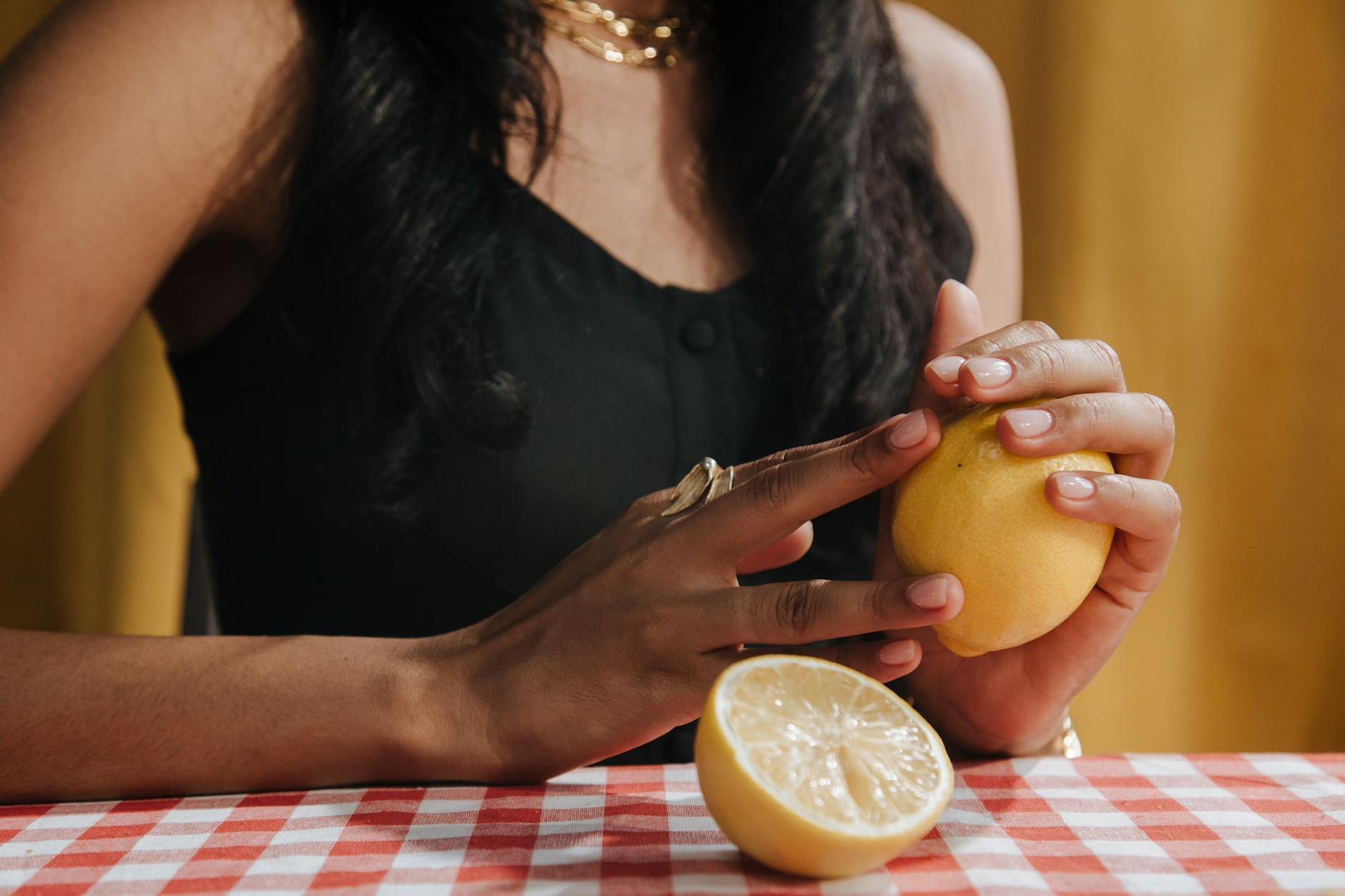
Let's be real about this transition
Becoming single again is its own kind of breakup. You're not just grieving the relationship. You're grieving the body that lived inside that relationship, the rhythms you fell into, the touch that became ordinary. And somewhere in there, you've lost the narrative about who you are sexually outside of that partnership.
The good news? Your pleasure didn't disappear with them. It just went quiet for a bit.
Why solo pleasure feels different after being coupled
When you've been in a partnership, sex becomes relational. Your arousal tracks theirs. Your timing matches theirs. Even when things are good, your pleasure has been shaped by another person's needs, rhythm, and preferences. That's not wrong. It's just the reality of shared intimacy.
When you're suddenly alone, that external reference point vanishes. Some people describe it as freedom. Others describe it as standing in a room with all the lights off, knowing the furniture is there but not remembering where.
Physiologically, here's what happens. The nervous system that learned to respond to touch, sound, and presence shifts. You might find that the things that used to work don't land the same way. Or that your desire feels harder to access at first. This is normal and temporary. Your body isn't broken. It's just recalibrating.
How a lemon vibrator helps you find your way back
Clitoral vibrators like the Lem work particularly well during this rediscovery phase because they bypass the relational part of arousal entirely. You're not timing your pleasure to match someone else. You're not performing for anyone. You're just learning what your own nervous system responds to when there's zero external pressure.
The suction pattern of a lemon clitoral vibrator creates sustained, building sensation that teaches your body how to access its own pleasure architecture. Unlike traditional vibrators, which can feel jarring or too direct, the gentle suction mimics the kind of indirect stimulation that many people return to when they're rebuilding.
You also get to set the pace, the pressure, and the environment entirely on your terms. That agency matters more than you might think when you're learning to trust your body again.
Starting your solo exploration
The first thing to understand is that this isn't about performance or reaching a specific outcome. That's the whole point. You're not trying to prove you can still orgasm. You're just exploring sensation.
Set aside 20 to 30 minutes when you won't be interrupted. Seriously. Put your phone in another room. Lock the door. The nervous system can't relax if it's braced for interruption.
Start fully clothed if you need to. Or naked. There's no rule here. Some people need a few minutes of gentle touch over clothing before undressing. Others want to jump straight in. Both are fine.
When you use a lemon vibrator, begin at the lowest setting. Your tissues have been through a lot emotionally, which affects sensation. Low intensity lets you feel the actual contours of what's happening rather than just flooding yourself with stimulation.
The emotional piece (it's bigger than you think)
Here's what I see most often with clients rebuilding solo pleasure after a breakup. They're not struggling with physical sensation. They're struggling with the quiet that comes with being alone with themselves.
Many people spend the first five to ten minutes of solo exploration feeling... nothing. Not because their body isn't working. But because their mind is somewhere else. Replaying the relationship. Wondering if they'll ever feel this good again. Judging themselves for wanting this.
The practice is simple. When you notice your mind wandering, just come back to sensation. Feel the texture of the fabric beneath you. Notice the air on your skin. Come back to the suction pattern, the rhythm, the pressure. You're not trying to force an orgasm or feel a specific way. You're just practicing the skill of being present in your own body.
This gets easier after the second or third time. Your nervous system learns that this is a safe container for pleasure that doesn't involve anyone else's expectations.
Building a real routine
I recommend my clients do this once or twice a week, ideally around the same time if they can. Your body loves patterns, and a regular practice helps your nervous system know that pleasure is a reliable part of your life, not something you have to hunt for.
Keep a journal if you want to. Not to track orgasms or rate your experience, but just to notice what shifts over time. Clearer thinking. Better sleep. Less intrusive thoughts about the relationship. A returning sense of playfulness. These are what matters.
Use water-based lubricant every time, even if you think you don't need it. Solo pleasure often takes longer to build arousal physically, and lubrication removes the friction that can make things feel more frustrating than pleasurable.
Try different positions. Lying down. Sitting up. On your side. Your sensitivity and pleasure response can change dramatically depending on positioning, so experiment without judgment.
When shame creeps in
A lot of people feel guilty about wanting solo pleasure after a breakup. Like they should be grieving, not exploring. Or like they're betraying the relationship by moving forward.
Here's what I tell them. Grief and pleasure aren't mutually exclusive. You can miss someone and still want to feel good. You can mourn an ending and still build something new for yourself. Your pleasure is not disloyal. It's an act of self-preservation and self-respect.
If shame is really loud, that's worth exploring with a therapist or counselor. But the simple version is this. You deserve to feel good. Full stop. Not because you've earned it. Not as a reward. Because you exist and your body is yours.
Knowing when to bring a partner back in
There's no timeline for this. Some people spend a few months rediscovering solo pleasure and then start dating again. Others spend a year or more. Both are fine.
When you do start exploring with a partner again, the work you've done solo becomes an asset, not a liability. You know what works for you. You know how to communicate it. You know that your pleasure doesn't depend on their skill or presence. That shifts the entire dynamic.
If you've been using a lemon vibrator solo and want to bring a partner into the experience, that's worth a separate conversation. But the confidence and knowledge you've built on your own will make that transition much smoother.
The long view
Rediscovering solo pleasure after being single again isn't a detour on the way back to partnership. It's an essential part of rebuilding your relationship with yourself. You're relearning your own body. You're practicing the skill of knowing what you want and taking it. You're training your nervous system to recognize that pleasure is available to you without anyone's permission.
That's not selfish. That's foundational. Everything else builds from there.
People also ask
How long does it take to feel comfortable with solo pleasure after a breakup?
It varies widely depending on the length of the relationship, how you feel about the breakup, and how much you're grieving. Some people feel ready within weeks. Others need several months before their nervous system settles enough to access pleasure. There's no right answer. A good marker is when you can be alone without constantly replaying the relationship in your head. When your body finally feels like it belongs to you again and not to the story of what you lost.
Can using a lemon vibrator help with numbness or disconnection from my body?
Yes, but with an important caveat. Clitoral vibrators like the Lem can help reconnect sensation if the numbness is purely physical (which is common after a breakup due to stress and cortisol). But if the numbness feels more emotional or dissociative (like you're floating outside your body), that's worth addressing with a therapist first. The vibrator is a tool for pleasure, not a replacement for processing grief.
Should I use a lemon vibrator if I'm still grieving the relationship?
Absolutely. Grief and pleasure aren't opposites. Your body doesn't stop having needs because your heart is broken. If anything, taking time to feel good in your body is part of how you move through grief, not away from it. It reminds your nervous system that life contains both sadness and sensation, loss and aliveness.
Is solo pleasure with a clitoral vibrator different than it was before the breakup?
Probably yes, at least at first. Your body carries the breakup, the stress, the loss of familiar touch. That changes what feels good, how quickly you can access pleasure, and what you need to feel present. But this isn't permanent. After a few months of regular practice, most people report that solo pleasure feels better than it ever did before. You're no longer filtered through another person's presence or expectations.
What if I feel guilty using a vibrator while I'm still grieving?
Guilt is a sign that you've internalized the idea that you shouldn't want pleasure while you're sad. That's a lie you were probably taught. You can miss someone and want to feel good. You can mourn and also take care of yourself. Solo pleasure is self-care, not betrayal. If the guilt is really persistent, it might be worth talking to a therapist about where that belief comes from.
How do I know when I'm ready to explore partnered sex again?
You're ready when the idea of being with someone sexually feels like something you want, not something you think you should do. When you can think about it without your first feeling being grief or comparison to your ex. When you trust your body enough to know you can ask for what you need and ask them to stop if something isn't working. That usually takes a few months to a year of regular solo exploration, but it's different for everyone.
Moving forward on your own terms
Your pleasure matters. Your body is yours. The work you do in those quiet moments alone with a lemon vibrator is teaching your nervous system that sensation and joy are available to you without anyone else's permission or presence. That's the foundation everything else is built on. If you have specific questions about how to use lemon clitoral vibrators or want to explore other tools, reach out to our team at Hello Nancy. We're here to help you feel good again.