The frustration is real
Let's be honest. You sit down one evening and your body is ready to go within minutes. Two weeks later, same setup, same partner, same toy. Nothing. Your clitoris feels numb or distant or just uninterested. You're not broken. You're not losing your capacity for pleasure. This is how arousal actually works for most people, and almost nobody talks about it.
The consistency problem is one of the biggest complaints I hear from clients who are otherwise happy with their sex lives. They're not looking for excitement or novelty. They want to understand why arousal feels like a light switch some days and a faulty generator other days.
Here's what's actually happening physiologically, and what I recommend when arousal won't cooperate.
The five things that shift arousal day to day
Your clitoris isn't broken when it doesn't respond quickly. It's responding to a cascade of invisible signals your brain and body are processing constantly.
Hormonal timing. If you menstruate, clitoral sensitivity peaks around ovulation and dips in the luteal phase. Even if you're on hormonal contraception or post-menopausal, your baseline estrogen and testosterone levels fluctuate. Higher testosterone generally means faster arousal. Lower testosterone means you need more time and stimulation to wake things up.
Stress and cortisol. This is the big one. When your nervous system is running hot with worry, cortisol suppresses arousal signaling. You could be physically touching your clitoris and your brain isn't getting the message. Stress doesn't just kill mood. It mutes the actual sensation.
Blood flow and circulation. Arousal depends on blood rushing to your clitoris. That's blocked by dehydration, caffeine, poor sleep, sitting too long, or even cold room temperature. Your tissue literally needs oxygen. No oxygen, no response.
Medication and substance effects. Antidepressants, blood pressure meds, antihistamines, and even too much caffeine or alcohol can blunt clitoral sensitivity. So can nicotine, which constricts blood vessels. These aren't permanent. They're just friction points you can work around.
Attention and mental presence. If you're mentally elsewhere, your clitoris gets the signal to stand down. Your nervous system interprets distraction as danger. Presence isn't about feeling sexy. It's about your brain giving your body permission to respond.
Every single one of these shifts day to day. Some days all five are aligned. Some days two are working against you. That's not a flaw in how you're wired. That's just biology.
Why suction stimulation changes the game
When arousal is slow to build or inconsistent, the difference between traditional vibration and suction-based clitoral vibrators becomes noticeable fast.
Vibration applies repetitive mechanical force. It works when tissue is already engorged and ready. When it's not, vibration can feel too intense, too surface-level, or just numb.
Suction creates negative pressure that draws blood into your clitoris and stimulates a wider nerve network at once. It's gentler on tissue, especially if sensitivity is low. More importantly, it engages the arousal response differently. You're not just stimulating the nerves on the surface. You're creating a physical sensation that tends to trigger that cascade of blood flow and nerve activation even when your body is being stubborn.
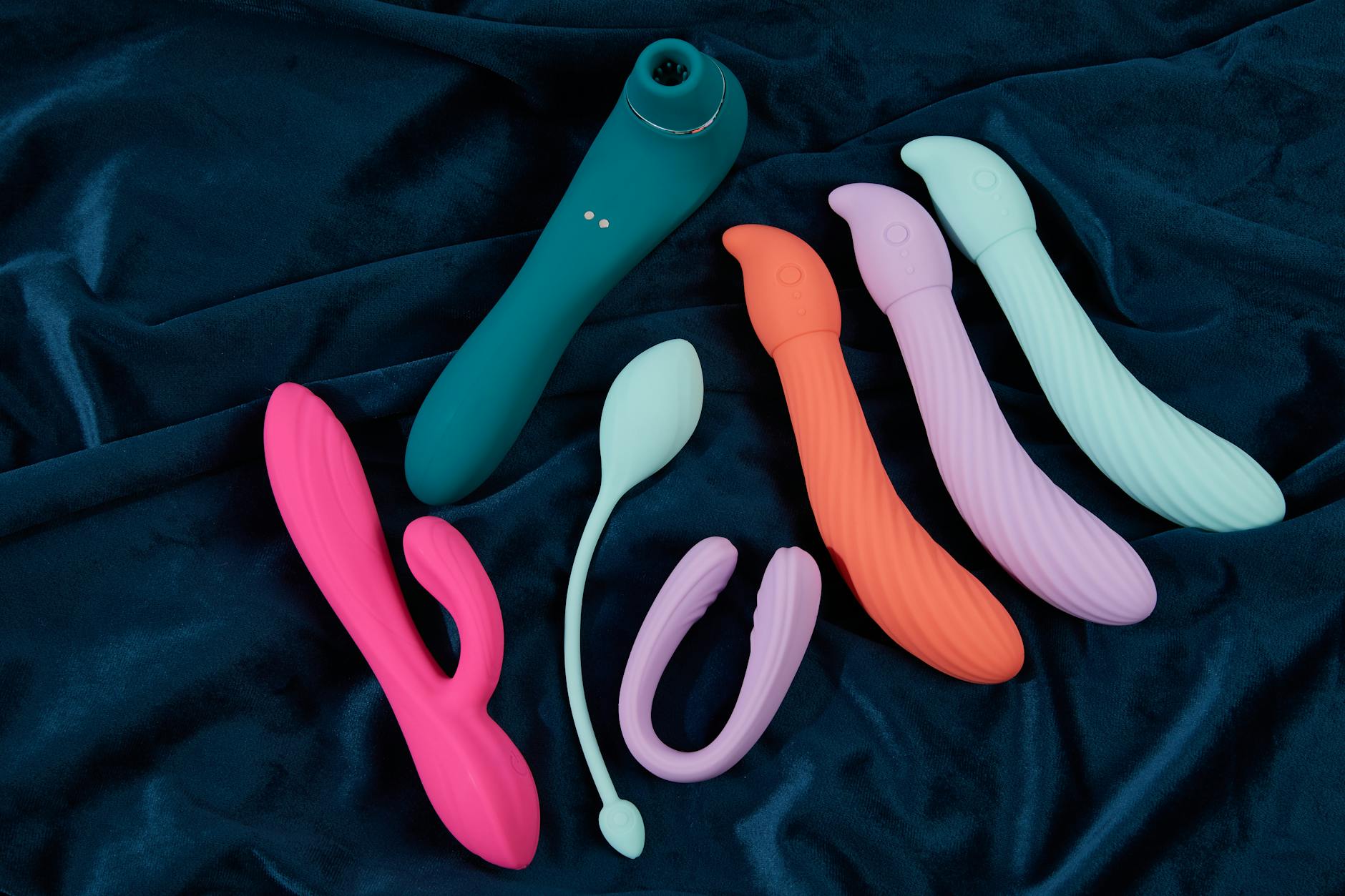
Clients consistently tell me that when they switch from a traditional vibrator to the Lem or a similar lemon clitoral vibrator, inconsistent arousal becomes less of a wall and more of a manageable rhythm. On high-response days, the suction is intensely pleasurable. On slow days, the gentler patterns on a lemon vibrator give you something that actually works with your body instead of against it.
It's not magic. It's biomechanics meeting patience.
What to actually do on slow arousal days
Three concrete adjustments that matter.
Start with a slower pattern. If your usual go-to is intensity level 4 or 5, begin at level 1 or 2 and spend ten minutes there. Let your tissue wake up slowly. Your clitoris will respond. It just needs the invitation to show up, not the full-volume kick in the door.
Extend the warm-up beyond what you think you need. When arousal is inconsistent, your brain and body need time to sync. Foreplay isn't optional here. It's structural. Fifteen to twenty minutes of attention to your body, your breath, your partner's touch or your own touch, matters more than the toy you're using.
Use water-based lubricant even if you usually don't need it. On days when arousal is slow, tissue takes longer to self-lubricate. External lubricant removes friction and signals to your nervous system that this is safe and pleasurable. You're not compensating for a deficiency. You're removing one less variable from the equation.
I also recommend tracking this for two weeks. Not obsessively. Just note: time of day, where you are in your cycle if applicable, stress level, sleep quality, how much water you drank. You'll start seeing patterns. Maybe you're always slow to arouse the day after a terrible sleep. Maybe you're consistently responsive three days after your period starts. Once you see the pattern, you can plan around it or adjust your expectations.
When inconsistent arousal signals something else
If arousal has become completely absent over weeks or months, that's a conversation with a doctor or a therapist. Inconsistency is normal. Absence is worth investigating.
Depression, thyroid dysfunction, relationship conflict, and even vitamin deficiencies can suppress arousal entirely. These aren't about your clitoris. They're about your whole system saying it's not safe to engage. That needs actual support, not just a better toy.
But if you're still experiencing arousal on some days and struggling on others, you're looking at the normal spectrum of how human bodies work.
The permission part
One more thing. The reason inconsistent arousal frustrates so many people is that they're fighting it instead of adapting to it. There's an expectation that your body should perform on demand and respond the same way every time.
It won't. Your clitoris is part of a complex nervous system that's paying attention to your stress, your sleep, your hormones, your relationship, your emotional state. That's not a bug. That's your body being smart.
When you switch to tools like a lemon clitoral vibrator and patterns that work with variable arousal instead of against it, you're not fixing a problem. You're working with how you actually function. Some days you'll respond instantly. Some days you'll need twenty minutes. Both are fine. Both are you.
People also ask
Why does my clitoris feel numb some days but not others?
Numbness usually points to stress, low blood flow, or insufficient arousal time. When your nervous system is activated by stress or cortisol, it literally dampens sensation in your genitals as a protective response. Cold temperatures and dehydration also reduce blood flow to your clitoris. If numbness is occasional and tied to stress or sleep, that's normal. If it's constant and doesn't shift, talk to your doctor about hormone levels or nerve health.
Does caffeine actually affect clitoral arousal?
Yes. Caffeine constricts blood vessels, which means less blood flowing to your clitoris. If you're a heavy caffeine user and notice slow arousal, cutting back even slightly often helps. Some people notice a difference by switching to one cup of coffee instead of three, or by moving their coffee earlier in the day so the effect wears off by evening.
Can my birth control be making arousal inconsistent?
Absolutely. Hormonal birth control suppresses testosterone, which is a key driver of clitoral arousal in all bodies. If you've noticed arousal changes since starting a new contraceptive, that's real. You have options: talk to your doctor about switching to a different formulation with different hormone levels, or discuss non-hormonal methods. The change isn't permanent. It reverses once you stop the medication, but that doesn't help you right now.
How long should I wait before my clitoris "wakes up" on slow days?
Give yourself fifteen to twenty minutes of consistent, patient stimulation on days when arousal is slow. Pressure yourself to orgasm faster and you'll trigger performance anxiety, which makes blood flow worse. Extend your timeline, dial down intensity, and let your body set the pace. Most people notice a significant shift within ten to fifteen minutes of patient attention.
Is using a lemon vibrator on low settings every time cheating?
No. Using settings or patterns that actually work for your body is adaptation, not weakness. Some days you'll want intensity. Some days you'll want gentleness. That's flexibility, not regression. Your lemon clitoral vibrator has five or six patterns for a reason. Use whichever one makes sense for your arousal that day.
Can inconsistent arousal mean I'm losing interest in my partner?
Not necessarily. Arousal inconsistency is biological first and relational second. That said, unresolved conflict, resentment, or disconnection absolutely blunt arousal. If inconsistency is new and your relationship has shifted, that conversation matters. But if you're having inconsistent arousal with a partner you love and trust, you're usually looking at hormones and stress, not a relationship problem.
The bottom line
Your clitoris isn't broken when it won't cooperate on demand. It's responding to dozens of variables you can't always control. What you can control is patience, tool selection, and working with your body instead of against it. Some days your body's a sprinter. Other days it's a distance runner. Both are normal. Both deserve the right approach.