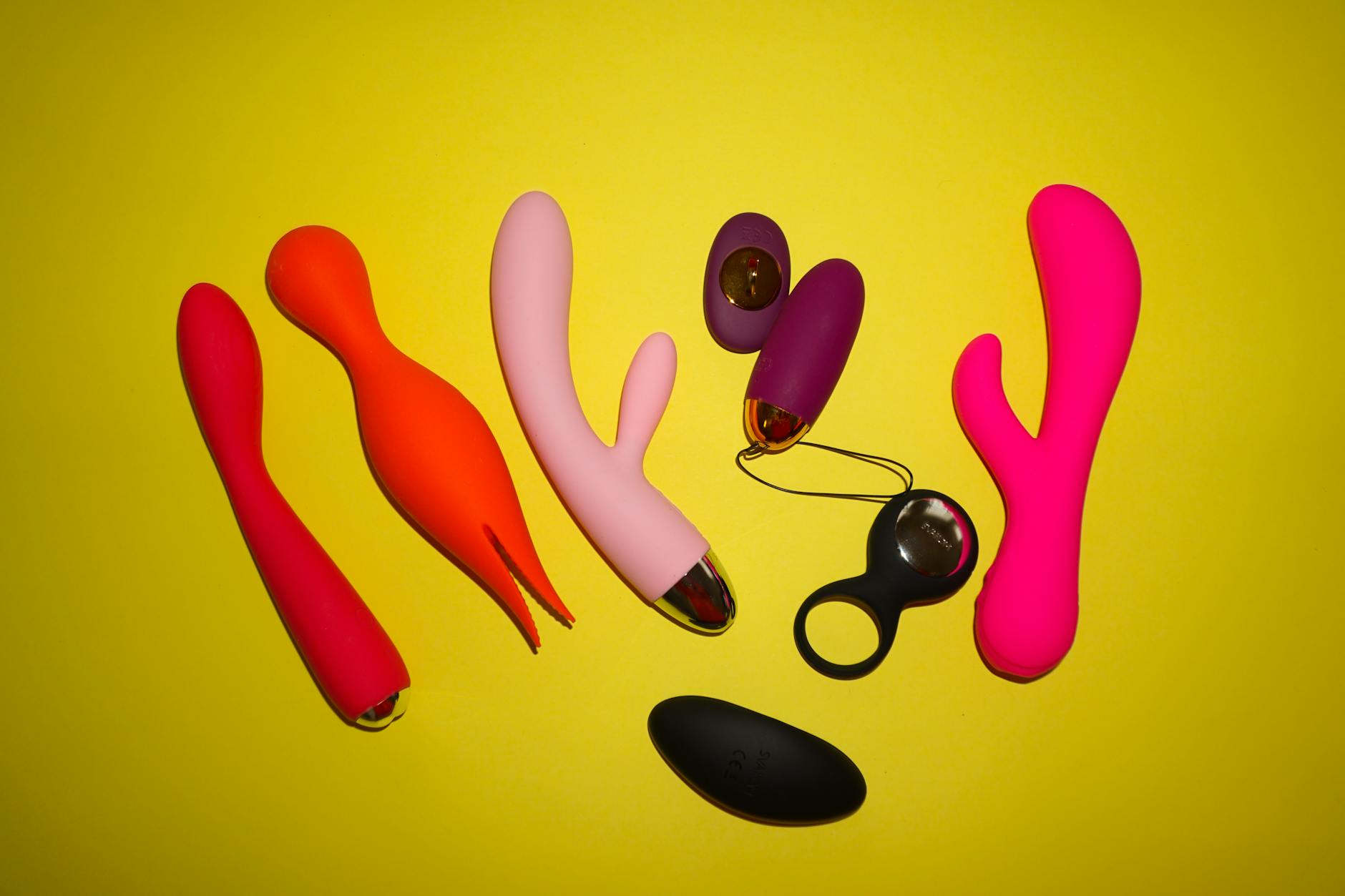
Let's name what you're noticing
Clitoral arousal used to happen quickly. Now it doesn't. Ten years ago, a few touches and you were ready. Now you need 20 minutes of consistent stimulation before anything registers. That's not you getting older or broken. That's your nervous system and blood flow recalibrating.
The confusion happens because most sex advice treats arousal speed as fixed. It isn't. It changes with stress, hormones, medication, relationship dynamics, and sometimes just the simple passage of time.
What's actually changing in your body
Here's the physiology. Clitoral arousal depends on three things working together: blood flow to genital tissue, nervous system responsiveness, and psychological engagement. When any one slows down, the whole chain gets longer.
Blood flow timing. When you're younger, vasocongestion (blood rushing to the clitoris) happens fast. Your arteries respond quickly to signals from your nervous system. After 35 or 40, this process takes longer. Not because something's broken, but because blood vessel elasticity changes naturally. It's the same reason your cardiovascular system takes longer to warm up during exercise.
Nerve sensitivity patterns. Your clitoris has thousands of nerve endings, but the speed at which they fire isn't constant across your life. Hormonal fluctuations, especially drops in estrogen or testosterone, can dampen the signal. You're not numb. The signal is just traveling at a different speed.
Psychological load. This matters more than most people admit. If you're carrying stress, relationship tension, or mental distraction, your brain literally won't prioritize genital sensation. Evolution designed it this way. Your nervous system needs to feel safe before it devotes resources to pleasure.
The stress factor (and why it compounds everything)
I work with couples where one partner says "it used to happen instantly" and the other is frustrated by the shift. The first conversation I have is always about what else changed alongside arousal speed.
Work pressure? Parenting demands? Financial worry? A relationship that needs repair? All of these directly suppress clitoral response. Your body isn't refusing pleasure. It's protecting you from distraction by dampening sensation in areas that aren't immediately survival-critical.
This is why couples who rebuild emotional safety often notice arousal coming back faster before anything physical changes. The nervous system responds to trust and presence as much as it responds to touch.
Why traditional vibration doesn't always help
Most vibrators work by rapid oscillation. The idea is "more sensation equals faster arousal." For some people, this works. For others, especially when arousal is already slow to build, high-frequency vibration can feel scattered or irritating instead of focused.
A lemon clitoral vibrator works differently. Suction-based stimulation creates sustained pressure and gentle pulse, not rapid micro-vibrations. This matters when your clitoris needs time to wake up. Suction engages the tissue in a way that rewards slower buildup. You're not fighting against your body's natural rhythm. You're working with it.
The sensation from a lemon vibrator also feels more concentrated than broad vibration. Think of it like the difference between a light drumming on your shoulder and a steady hand pressing into a knot. Both are stimulation, but they access different types of nerve receptors.
Building arousal in real time
If you're experiencing slower clitoral arousal, here's what I recommend:
Set realistic time expectations. Plan 20 to 35 minutes of foreplay. This isn't a compromise or a failure. It's working with your actual physiology instead of against it. Many partners find this extension deepens connection because it removes the pressure to rush.
Start with the lemon vibrator on lower settings (1 or 2). Let it work gently while your blood flow gradually increases. Most people don't need to jump to pattern 5 or 6. Patterns 1 and 2 are doing the work. Stay there for 5 to 10 minutes before shifting intensity.
Add warmth. Temperature increases blood flow. A warm shower or bath beforehand, or warmth from a partner's body, genuinely speeds up clitoral response. This isn't mystical. It's basic vascular physiology.
Check your mental load. If arousal is slow and you're also stressed about work, kids, or relationship issues, no vibrator will fully compensate. You don't need to solve everything. You do need 15 minutes where your brain isn't working on something else.
When slow arousal signals something else
I want to be direct: if arousal slowed suddenly after years of normal response, and you haven't had other life changes, it's worth mentioning to your doctor. Thyroid function, medication side effects, and hormonal changes can all flatten arousal. So can depression and anxiety. A conversation with your GP is useful.
But most slow arousal isn't a medical problem. It's a timing problem. Your body is asking for a different approach, and a lemon vibrator provides exactly that.
The relationship conversation that matters
If you have a partner, the biggest shift happens when you name this together. "My arousal speed has changed and here's what I need" is radically different from "something's wrong with me." The first opens up solutions. The second creates shame and distance.
When a partner understands that slower arousal is normal and doesn't mean less desire, everything softens. Many couples report that extended foreplay becomes a gift instead of a burden once they reframe it.
Making suction work with your timeline
The reason a lemon vibrator is particularly helpful when arousal takes longer is that suction doesn't fatigue as quickly as vibration. You can use it steadily for 15 or 20 minutes without your clitoris getting irritated or numb. That's the window you need.
Start broad (the wider part of the suction cup) and stay there until you feel response building. Once arousal is clearly present, you can shift positions or intensity. But don't rush that first phase.
FAQ
Why does arousal feel slower now when it didn't before?
Blood flow slows naturally with age, stress, and hormonal shifts. Younger nervous systems also prioritize genital sensation more aggressively. This isn't decline. It's recalibration. Many people find that once they accept the longer timeline, arousal feels deeper and more complex.
Can medication cause slow clitoral arousal?
Yes. Antidepressants, birth control, blood pressure medications, and antihistamines can all dampen arousal speed. If this started after starting a new medication, talk to your prescriber. Sometimes switching timing or dosage helps. Sometimes the trade-off is worth it. Either way, it's useful information.
Does a lemon vibrator actually speed up arousal, or does it just feel better?
It does both. Suction increases blood flow and engages more nerve receptors per movement than broad vibration. But it also feels more natural and less jarring, which removes the mental resistance that can slow arousal further. The physical benefit and the mental ease work together.
How long should I wait before switching intensity on my lemon vibrator?
At least 5 to 10 minutes on patterns 1 or 2. You're waiting for blood flow to increase and nerve response to wake up. Jumping to high intensity before that happens often feels overwhelming or numb. Patience on this is key.
Is slow arousal a sign my relationship is in trouble?
Not necessarily. But it can be a sign that stress, distance, or unresolved tension is present. The arousal change is the flag. What's actually going on (work stress, resentment, hormonal shifts, medication side effects) is the real issue. Use the arousal change as information to have a deeper conversation.
Can I use a lemon vibrator with a partner to rebuild faster arousal?
Absolutely. Many couples find that using a clitoral vibrator together transforms the experience. It removes pressure from a partner to "do it right" and focuses attention on what feels good. Plus, the extended foreplay window becomes intimate time instead of a frustration.
The bottom line
Slower clitoral arousal is common, normal, and workable. A lemon vibrator isn't magic, but suction-based stimulation is genuinely well-suited to bodies that need more time to build response. It works with your current rhythm instead of against it.
The real shift happens when you stop treating slow arousal as a problem to fix and start treating it as useful information about your body's actual needs. Once you do, everything gets easier.
If you'd like to talk through what's changed in your body or relationship, get in touch. I'm here to help you navigate this without shame or rush.