The guilt of wanting pleasure again
Here's the thing about grief and desire. When someone or something significant leaves your life, pleasure often goes with it. For weeks or months, the thought of sex can feel impossible. Your body feels numb. Your brain is elsewhere. That's normal. That's grief doing its job.
Then one day, something shifts. Maybe you notice you're attracted to someone again. Maybe your body responds to a touch the way it used to. Maybe you wake up thinking about sex instead of immediately thinking about loss. And your first instinct might be guilt. Like wanting pleasure again means you've already moved on, or that you're betraying the person or time that mattered.
You're not.
Why desire disappears in the first place
Grief affects your nervous system. When you're processing loss, your body is in a state of hypervigilance and shutdown at the same time. Your stress hormones are elevated. Your dopamine (the neurotransmitter tied to wanting, seeking, and desire) drops. Your brain literally has less bandwidth for pleasure because it's using every resource to process what's gone.
This isn't weakness. It's your body protecting you.
But here's what's also true: desire returning isn't a betrayal. It's a sign your nervous system is beginning to feel safe again. That your brain is starting to move from pure survival mode into something resembling a life. That you're integrating the loss instead of being completely consumed by it.
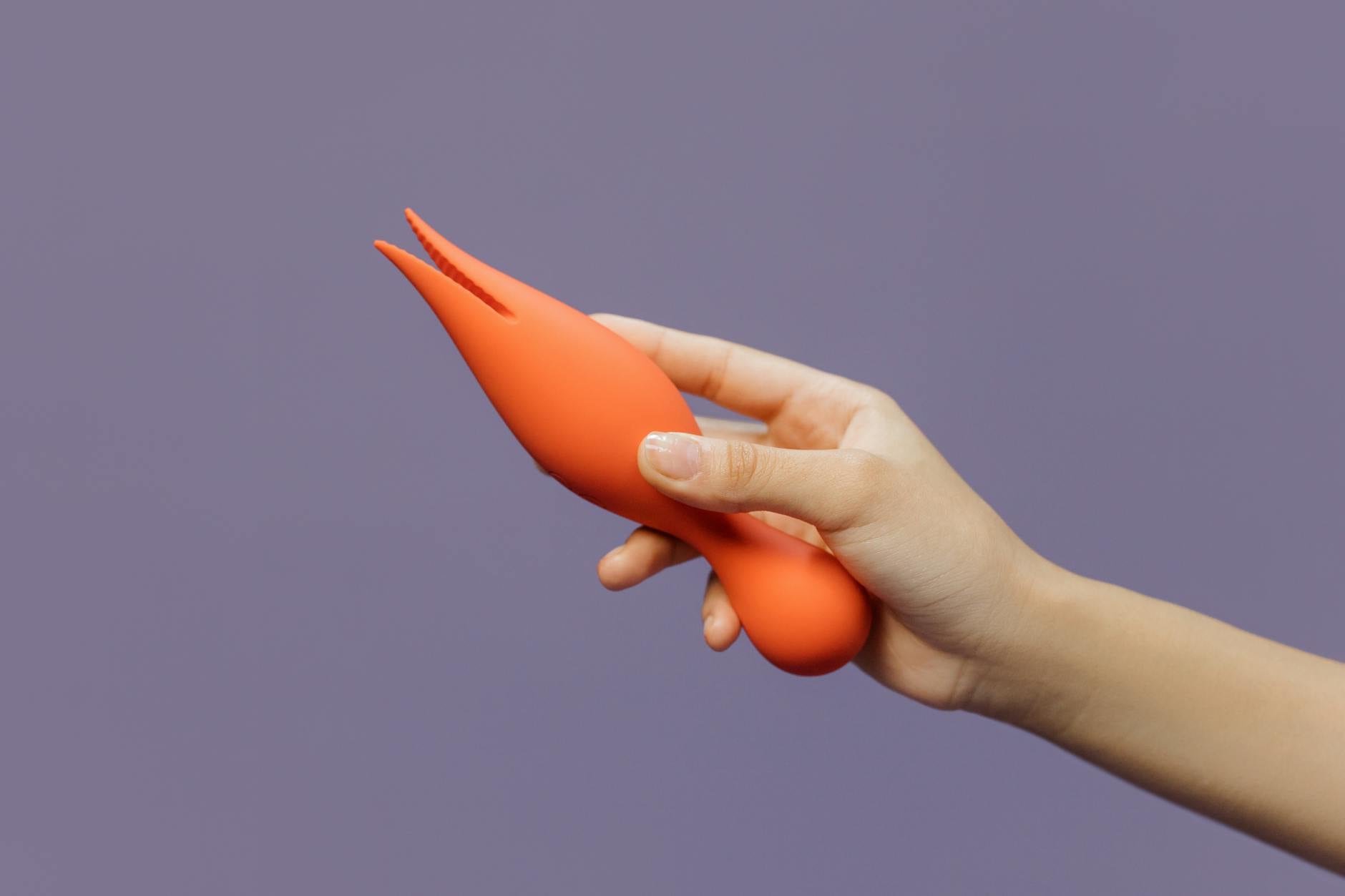
When that happens, and if you want to explore pleasure again, a lemon vibrator can be a gentle way to reconnect with your body without the weight of another person's expectations or presence.
The difference between sexual desire and emotional readiness
They're not the same thing, and that matters.
You can have your body responding to stimulation (desire returning) while still being emotionally raw about loss. You can want physical pleasure without wanting a relationship. You can appreciate your body's sensations without it meaning you've "moved on" in some cultural sense that feels premature.
One of my clients, who'd lost her partner two years earlier, felt immense guilt when she bought a lemon clitoral vibrator. She told me it felt like cheating on his memory. But what she actually needed was to reconnect with herself as a person who had sensations and wants, separate from her identity as a grieving partner. The lemon vibrator wasn't about replacing him. It was about reclaiming a part of her body that grief had quieted.
That distinction changed everything for her.
How grief affects arousal and sensation
Even when desire begins returning, your body's responsiveness might feel different than it did before loss.
Your tissues might feel less receptive. Lubrication might be slower or inconsistent. Your clitoris might feel less sensitive, or conversely, more sensitive than you remember. This isn't permanent. Your body is still rewiring its nervous system response after shutdown. That process takes time.
With a lemon sucker or lemon vibrator, you have more control over pressure and intensity than with a partner. You're not managing anyone else's arousal or rhythm. You're not performing. You're just exploring what feels good in your body right now, in this chapter, with this version of you.
For many people, that control is exactly what makes it possible to feel pleasure again.
Starting slow with a lemon clitoral vibrator after loss
If desire is returning and you want to explore it, here's what I recommend.
First week: observation without expectation. Use your lemon vibrator on the lowest setting for just a few minutes. You're not trying to come. You're noticing what sensations feel available. Which intensities feel good versus overwhelming. Whether your body wants more or less stimulation than it used to.
Second week: add time, not intensity. Extend the sessions to 10-15 minutes if that feels right, but keep the pressure the same. Your nervous system needs gradual reminders that sensation is safe.
Third week onward: follow what your body wants. If you want to increase intensity, do it by one setting at a time. If you want to stay at a lower pressure, that's fine too. Your body knows what it needs. The lemon vibrator gives you the flexibility to match that.
One thing that makes a lemon clitoral vibrator particularly useful after grief is that suction-based stimulation feels fundamentally different than vibration. It's less jarring, more sustained, and many people find it feels less clinical and more like a natural kind of touch. If you've been numb, that difference can be the bridge between shutdown and reconnection.
The emotional part of coming back to pleasure
I want to be direct about this: using a lemon adult toy after loss sometimes brings tears. Or unexpected emotion. You might feel aroused and then suddenly flooded with sadness. That's not a sign you're doing it wrong. That's grief and pleasure existing in the same moment, which is actually the honest truth of moving through loss.
Your body remembers what touch was like with the person you lost. Coming back to pleasure means your nervous system is starting to differentiate between the grief and the sensation. Between the person and the pleasure. That process isn't linear.
If strong emotion comes up, pause. Breathe. Let it be there. You don't have to push through it or get back to sensation immediately. The lemon vibrator isn't going anywhere. Your healing timeline isn't on a clock.
When to involve a partner in your return to pleasure
If you're in a new relationship or rekindling an existing one after loss, there's often a conversation to have about desire returning.
Your partner might interpret your need to explore pleasure alone with a lemon vibrator as a rejection of them. Or they might assume you want to jump back into the sexual rhythm you had before loss, which might not be true. The cleanest thing you can do is name it: "I'm noticing desire coming back. I want to explore that in my own time and at my own pace. That's not about you. It's about me reconnecting with my body."
A lemon clitoral vibrator can actually help with this. It gives you space to figure out what feels good, so when you do involve a partner, you're not learning together for the first time. You already know your baseline. You know your edges. You can actually communicate what you want because you've practiced wanting it.
The timeline is yours, not anyone else's
One of the most painful things grief does is make you feel like you're on the wrong timeline. You should be healed by now. You should be ready for dating by now. You should want sex again by now.
None of that is true. Some people feel desire returning after months. Some after years. And the fact that you're reading this suggests you're noticing something shifting in your body. That's your signal. Not your timeline, not a calendar, not what someone else thinks is appropriate.
When you're ready, a lemon vibrator is a straightforward, judgment-free way to check in with what your body wants. Because that's what matters. Not healing on someone else's schedule. Not proving you've moved on. Just your body, and what feels good right now.
FAQ: Desire, Grief, and Reconnection
Is it normal to feel guilty about wanting pleasure after losing someone important?
Completely normal. Grief creates a psychological framework where you feel like you shouldn't be happy, shouldn't be entertained, shouldn't enjoy your body. That's the price of loving someone. But guilt isn't the same as wrongdoing. Your body wanting sensation again isn't a betrayal. It's a sign you're beginning to live again. That's not disrespectful to loss. That's human.
Can using a lemon clitoral vibrator help me feel more present in my body after grief?
Yes. Grief often makes your body feel foreign or unreliable. You're disconnected from physical sensation as a protective mechanism. A lemon vibrator, used slowly and with no performance pressure, can help your nervous system remember that sensation is safe. You don't have to use it for orgasm. Simply noticing arousal, lubrication, sensation is the reconnection.
What if I start using a lemon vibrator and feel nothing?
Numbing after grief can last longer than expected. If you feel nothing, that doesn't mean something is wrong with you. It means your nervous system is still in shutdown mode. You can keep checking in with a lemon sucker occasionally, without pressure. Or you can wait. Both are fine. Forcing sensation won't help. Your body will signal when it's ready.
Should I tell my new partner that I use a lemon vibrator?
That depends on your relationship and your comfort level. But here's what I'd consider: if you're moving toward physical intimacy with them, transparency helps. A simple framing works: "I've been reconnecting with my body after loss, and I want you to know that might look like this." Most partners appreciate honesty. And if they don't, that tells you something important about the relationship.
How do I know if I'm ready for a partner after loss, versus just wanting solo pleasure with a lemon vibrator?
One clear difference is consistency. If you notice desire returning over weeks, and it's stable, that's your body saying it's healing. If it's sporadic or linked only to your lemon vibrator and nothing else, you might still be in the reconnection phase. Both are fine. Solo pleasure with a lemon clitoral vibrator can exist alongside partnership. They're not either-or.
What if pleasure feels numb or distant even with stimulation?
Grief anhedonia is real. Your brain can suppress pleasure even when your body is stimulated. If that's happening, give yourself more time. Use your lemon vibrator occasionally without expectation. Consider talking to a therapist. Numbness usually softens over months, not weeks. There's no rush.
Coming back to yourself
Grief doesn't end. It integrates. One day you'll notice you're thinking about the loss less, and about your future more. One day you'll feel your body wanting something again. One day you might reach for a lemon vibrator and realize you're not doing it out of obligation or timeline pressure. You're doing it because you want to. Because your body is alive and asking for pleasure. Because you're learning to live again.
That's not a betrayal. That's healing. If you want to talk through what comes next, we're here to help. Reach out at /contact.