Let's talk about the grief pause
Grief doesn't just take the person. It takes your body too. For months, maybe longer, desire vanishes. Sex feels impossible, even disrespectful to the weight you're carrying. Your nervous system is in survival mode. Pleasure becomes irrelevant.
Then one day you think, "I'm ready." And you realize your body doesn't feel like yours anymore.
This is different from low libido. This isn't "I'm tired" or "I'm stressed." This is a specific disconnect that happens when grief has held your nervous system hostage and you're trying to give yourself permission to feel good again. Your brain knows it's okay. Your body isn't convinced.
Why sensation feels foreign when you return
Grief disrupts the neural pathways that build anticipation and arousal. When you're grieving, your brain prioritizes survival signals over pleasure signals. Dopamine drops. Your vagus nerve, which regulates the relaxation response, stays tense. The parts of your brain that process sensuality literally quiet down.
When you emerge from acute grief, those pathways haven't automatically rerouted themselves. It takes time. Sometimes weeks. Sometimes months.
Here's what actually happens: you touch yourself, or your partner touches you, and either nothing happens or everything feels muffled. Not numb. Muffled. Like you're experiencing pleasure through layers of glass. You know intellectually that this should feel good. Your body hasn't caught up yet.
The particular problem with typical vibrators
Traditional vibrators demand a lot from you right now. They require sustained contact, rhythm coordination, and often a build toward intensity that your nervous system isn't ready for. If your body is already skeptical about pleasure, the pressure to perform and finish becomes another layer of work. Another thing you're failing at.
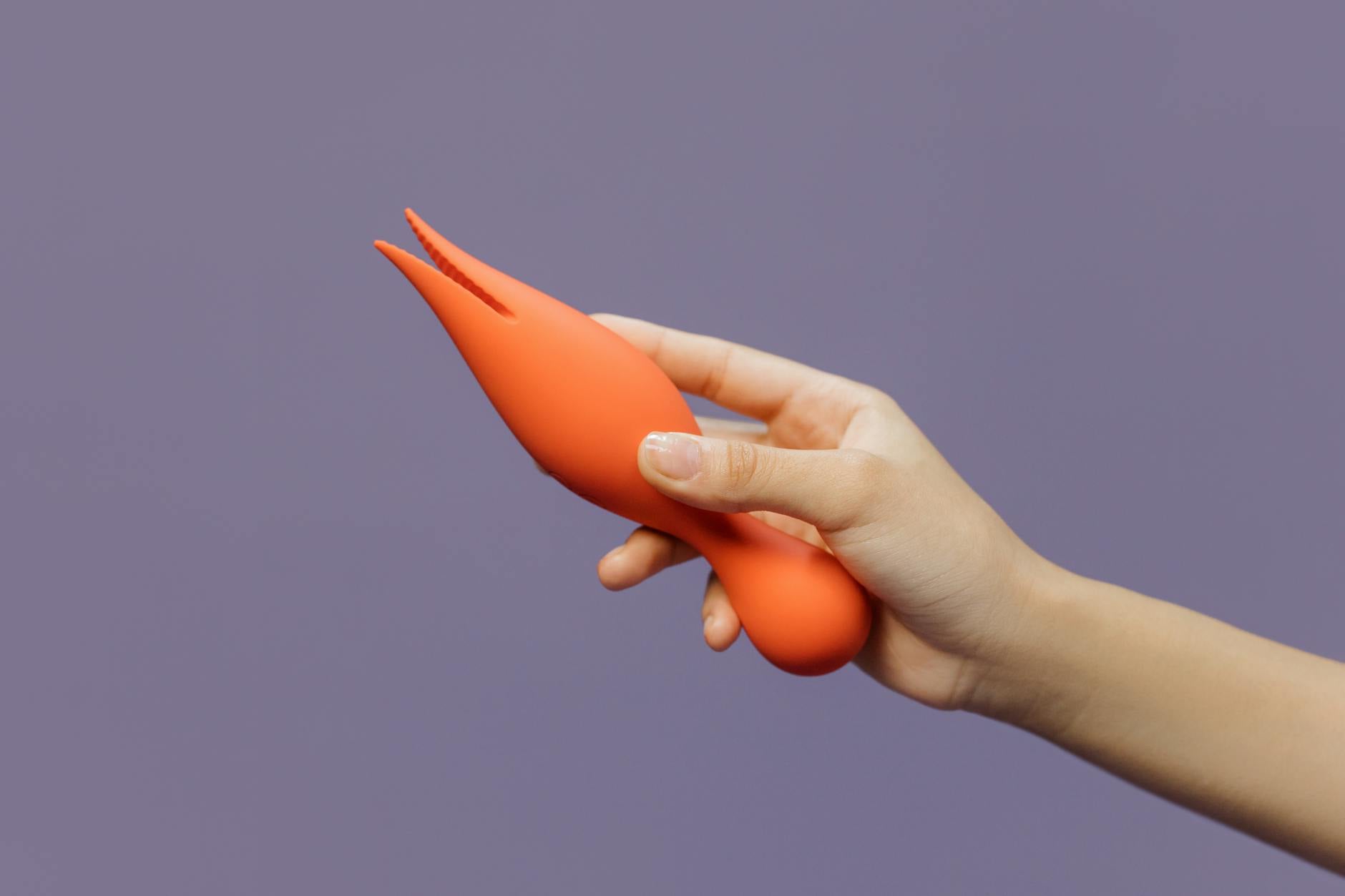
Lemon clitoral vibrators work differently. The suction mechanism doesn't require the same friction or pressure. It creates a gentle, rhythmic pulling sensation that your nervous system actually recognizes as safe. It's not demanding. It's inviting.
When you're grieving your way back to your body, safe matters more than intense.
How gentle suction helps rebuild trust
The genius of the Lem vibrator is that it allows your body to respond without performing. You're not trying to chase sensation or force your way to an orgasm. The suction works with your body's natural arousal response instead of against it.
For people returning from grief, this distinction is everything. You're not fighting your way to pleasure. You're being invited there. The rhythm stays steady. Your job isn't to match it. Your job is just to notice what happens.
Many people report that their first experiences back with lemon sexual toys feel less like sex and more like meditation. You're present. You're feeling something. And you're not carrying the weight of whether you're "doing it right."
The three things that make returning easier
First, slow your timeline. You're not supposed to jump back to the sexuality you had before. That's not the goal. The goal is to meet your body where it actually is, not where you think it should be. Fifteen minutes of exploration with a lemon vibrator, with zero pressure to orgasm, counts as a win.
Second, your body might need touch from someone else before it trusts touch from yourself. If you have a partner, talk about this explicitly. Not "I want to have sex." That's too big. Try "I want to remember what pleasure feels like, and I need it to be slow and low-pressure." Your partner can provide context and safety that your nervous system is still seeking.
Third, use lubrication even if you're naturally wet. Grief can make the body conservative with lubrication, and adding it removes one more barrier to sensation. Water-based lube works best with lemon adult toys and doesn't interfere with the silicone surface.
What happens in the first few sessions
Your first experience back might not feel like much. You might feel the suction, register that it's happening, but feel distant from it. This is normal. Your brain is still running threat detection. Let it.
The second or third time, you might notice something. Not necessarily arousal. Maybe just curiosity. Maybe your breathing changes. Maybe you feel warmth. You're not chasing the big feeling. You're collecting the small ones.
By session four or five, if you're returning at a natural pace, most people notice that sensation is becoming less muffled. The nervous system is believing that pleasure is actually safe. The Lem vibrator's suction pattern helps because it's predictable. Your body learns to anticipate it. Anticipation is the first step back to desire.
When to expect real pleasure again
Honestly, it depends on the grief and your individual nervous system. For some people, genuine arousal returns in weeks. For others, it takes months. There's no rushing this.
What matters is that you're not supposed to force it or judge yourself for the timeline. The fact that you're trying to reconnect with your body is enough. The lemon clitoral vibrator is just a tool that removes friction from the process.
If you're grieving and starting to think about pleasure again, that's the moment. Not when you feel ready. When you start to wonder if you could be ready. That's when lemon vibrators become less about sex and more about permission.
A note about partners during this phase
If you're in a relationship, this is a conversation to have. Your partner might feel rejected or think your lack of desire is about them. It isn't. Grief pauses connection, and connection eventually restarts. It just doesn't restart on a timeline.
Using lemon sexual toys privately first gives you a chance to trust your body again before you involve another person. That rebuilding is important. Your partner doesn't need to be present for every step. They need to know you're taking steps.
The real reason sensation feels different
It's not broken. It's not gone. It's just dormant. Your body is still capable of everything it always was. Grief just hit the pause button on the part of your nervous system that signals "yes, this is good." Slowly, with gentle pressure and time, that system wakes back up.
Lemon clitoral vibrators help because they create conditions where your nervous system feels safe enough to remember pleasure. No performance. No pressure. Just steady, gentle invitation.
When you're ready to return, your body will get there. It just needs to know it's allowed.
People also ask
How long does it take for desire to return after grief?
There's no fixed timeline. For some people, desire gradually returns over weeks. For others, it takes months or even longer. The intensity of the grief, the nature of your loss, and your individual neurobiology all factor in. What matters is that you're not forcing it. Return to your body when curiosity shows up, not when you think you should.
Can I use a lemon vibrator if I don't feel any sensation at all?
Yes, and that's often exactly the right time to use one. When sensation feels completely absent, the gentle, predictable suction of a lemon clitoral vibrator gives your nervous system something clear to respond to. You might not feel pleasure immediately, but you're teaching your body that sensation can feel safe again. Start on the lowest setting and give yourself permission for nothing to happen.
Is it normal to feel disconnected from pleasure while grieving?
Completely normal. Grief puts your nervous system into a protective state. Pleasure requires relaxation and safety. When you're processing loss, your brain prioritizes survival signals over pleasure signals. This isn't a personal failure. It's a neurological response. When you're ready to reconnect, your body will respond, but it needs time and gentleness.
Should I use a lemon vibrator alone or with my partner?
Start alone. Rebuilding trust in your own body first gives you a foundation. Once you feel something shift on your own, you can explore with a partner if you have one. There's no rush to involve someone else. Private exploration lets you move at your own pace without pressure to perform or respond in a certain way.
What if I still don't feel anything after using a lemon vibrator?
Give it more time. Your nervous system is learning that pleasure is safe again, and that's a slow process. You might feel nothing the first five times and then notice something shift on session six. If weeks of gentle exploration aren't creating any sensation and you're concerned, talk to a therapist or counselor who specializes in grief. Sometimes the disconnect is deeper than just the nervous system pause.
Can lemon vibrators help if my grief is recent?
Gently, probably not yet. Very recent grief usually means your body isn't ready. The Lem vibrator is best used when you're starting to feel the smallest curiosity about pleasure again, not when it still feels impossible. There's wisdom in waiting. When you're ready, the lemon clitoral vibrator will be there.
A final thought on returning
Your body isn't broken. Pleasure isn't lost. Grief just put everything on pause. When you're ready to press play again, gentle tools like lemon vibrators meet you exactly where you are. No performance required. No timeline imposed. Just a way to slowly, safely remember that your body can feel good again.
If you're navigating this right now, or thinking about when you might be ready, we're here. Reach out if you want to talk through where you are.
Sources and references
- The National Institute of Health on grief and nervous system dysregulation
- Gottman Institute research on emotional intimacy and sexual reconnection
- Clinical studies on sensory processing during bereavement