
Best Lemon Vibrator for Partners: A Couples' Guide to Shared Pleasure
Here's what I hear a lot in my office: "I want to bring a toy into our sex life, but I'm scared it'll hurt his feelings" or "She seems interested but we don't know how to actually do it without it being weird."
It doesn't have to be weird. And a lemon vibrator, specifically, is one of the best entry points for couples because it's designed for external clitoral stimulation. It's not replacing anything. It's adding to what you already do together.
Why couples hesitate (and why they shouldn't)
Most of the resistance comes down to one misunderstanding: introducing a toy feels like saying "you're not enough." That's understandable. It's also almost never what it means.
What it actually means is: "I want more pleasure, and I want to share that with you." Those are two different sentences, and the second one is the true one.
Here's the data point that changes people's minds. Studies on long-term couples show that partners who introduce toys together report higher satisfaction and stronger emotional connection than those who avoid them. Not because the toy is magic, but because it requires vulnerability, communication, and a willingness to prioritize each other's pleasure without ego getting in the way.
That conversation is the real thing. The lemon clitoral vibrator is just the tool.
Starting the conversation (without turning it into a negotiation)
Timing matters. Don't bring this up mid-argument or during sex when someone's already vulnerable. Pick a moment when you're both relaxed, maybe over coffee, when there's no expectation of sex about to happen.
Use "I" instead of "you." Say: "I've been thinking about exploring something together. I'm curious about trying a lemon vibrator during sex, and I'd love to know what you think." Not: "I need you to be okay with me using a vibrator."
Then stop talking. Let them respond. They might need time to think about it. They might have questions. They might be excited. All of those are fine. This isn't a yes-or-no door. It's an opening.
If there's resistance, ask what's behind it. "What worries you about this?" Listen without defending. Often the worry isn't about the toy. It's about feeling wanted, or feeling like they're failing you somehow. That's the real thing to address.
Which lemon vibrator works best for couples
Not all clitoral vibrators are created equal for partnered use. The best lemon vibrator for couples has three qualities:
Accessibility. You need something that works during penetrative sex without getting in the way. The lemon's design is perfect for this because it's small, it focuses on the clitoris, and it doesn't require deep insertion. You can hold it, they can hold it, or you can position it between your bodies.
Quietness. This matters if you have roommates, kids, or anxiety about noise. The lem vibrator is famously quiet, which means you can stay present with each other without distraction.
Intuitive controls. Fumbling with five buttons while trying to focus on intimacy kills the mood fast. Look for a lemon sucker or vibrator with straightforward intensity levels you can adjust mid-sex without thinking too hard.
How to actually use it together (step by step)
First time is always a little awkward. That's normal. Here's a framework:
Start outside the bedroom. Try it during foreplay, not during the main event. Less pressure, more room to laugh if something feels silly. Get comfortable with how it feels, how loud it is, what pressure level works.
Let them hold it first. Even if it's for your pleasure, handing them the controls gives them agency. It's not something being done to them. They're choosing how to use it. That shift is huge.
Communicate in real time. "More pressure" or "slower" or "right there." Talk. The whole point is you know your body better than they do. This isn't them failing to read your mind. It's them learning you.
Don't make it the whole show. Use it for part of sex, then put it aside. The lemon vibrator should be one tool in your toolkit, not the only way you connect. You want variety, not dependence.
After, talk about what worked. Not in a clinical way. Just "That felt amazing" or "The angle was a bit weird but I loved the intensity." Make it normal conversation, not a performance review.
How to handle it if things feel off
Sometimes one partner gets quiet or seems uncomfortable after trying it. Don't ignore that. Bring it up the next day when you're not in a vulnerable moment.
"I noticed you seemed less into it. What was going on for you?" Listen without defending yourself. Maybe it felt weird. Maybe they had a moment of insecurity. Maybe they loved it but felt shy saying so.
There's also the possibility that the timing wasn't right, or the toy wasn't right for both of you. That's information, not failure. You try again with different parameters, or you decide it's not for you as a couple. Both are okay.
What matters is that you stay in conversation with each other. The moment you stop talking about sex is the moment resentment starts building.
Why a lemon vibrator specifically makes this easier
I recommend the lemon clitoral vibrator for couples because it's not intimidating. It doesn't look clinical. The design is playful and approachable. And because it's designed for external clitoral stimulation, there's no confusion about what it's for or how it fits into partnered sex.
Unlike penetrative toys, which can trigger weird territorial feelings, a lemon sucker or vibrator is an add-on. It's clearly working with what you're already doing, not replacing anything. That psychological difference matters more than people realize.
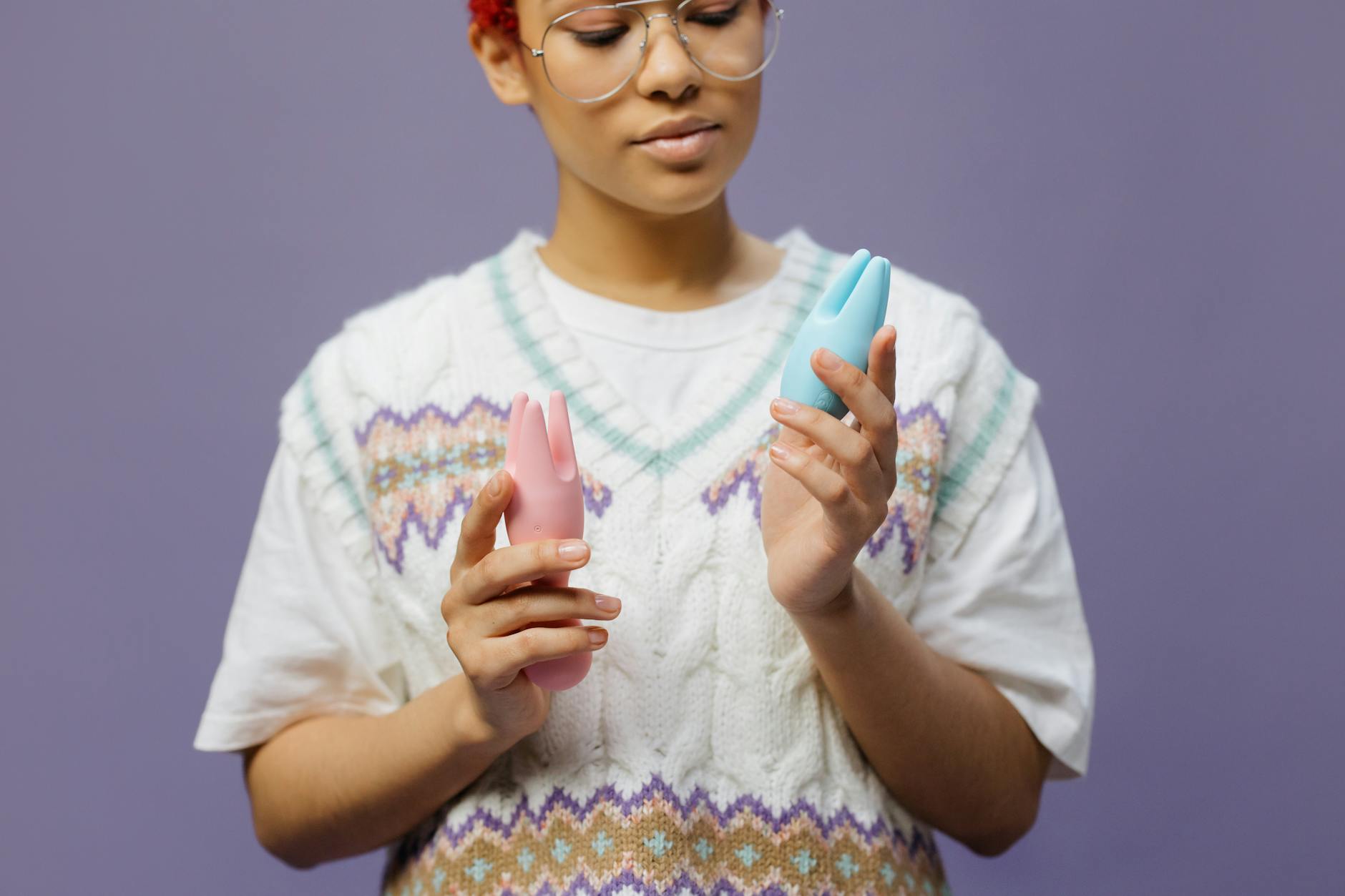
Photo by cottonbro studio on Pexels
Building pleasure as a shared practice
The deeper shift happens over time. When you normalize talking about what feels good, what you want, what you're curious about, you're not just improving sex. You're building emotional intimacy. You're saying, "Your pleasure matters to me enough to have an awkward conversation about it."
That's what couples tell me changes. Not just that sex feels better. It's that they feel more connected. They laugh more. They're less defensive with each other.
Introducing a lemon vibrator together is a small thing. But small things done consistently build trust. And trust is what makes everything better.
The long-term angle
Some couples use toys for a few months and then move on. Others make it a regular part of their intimacy. Neither is wrong. What matters is that you're making choices together, checking in with each other, and staying curious about each other's pleasure.
If you want to go deeper on technique, you might also explore how to use a lemon vibrator for maximum clitoral pleasure. And if you're navigating how your body responds during different phases of your cycle or life, why lemon vibrators feel different during hormonal changes is worth a read.
But the real foundation is this: talk to your partner. Make space for awkwardness. Prioritize each other's pleasure. Everything else follows.
Frequently Asked Questions
Can my partner feel the vibrator inside me during penetrative sex?
No. The lem vibrator and most lemon clitoral vibrators are designed for external stimulation. During partnered penetrative sex, it sits against the clitoris while they're inside you. They might feel subtle vibrations through your body, but they're not competing for space. This is actually why many couples find it less threatening than internal toys.
Will using a vibrator make it harder to orgasm without one?
Not if you use it as one tool among many. Think of it like this: you didn't forget how to enjoy a glass of wine because you also enjoy craft cocktails. Your body is capable of multiple types of pleasure. Using a lemon sucker sometimes doesn't rewire your ability to enjoy other types of touch. That said, if you only ever orgasm with intense vibration, that can become a dependence. Vary your approach. Sometimes use the toy, sometimes don't. Keep your nervous system flexible.
What if they really don't want to try it?
Then you respect that. You don't sneak it in. You don't pout about it. You accept their boundary and move on. That sounds harsh, but it's actually where trust lives. Respecting "no" is how you build the kind of relationship where "yes" actually means something. If this is a major mismatch in desires, that might be worth exploring with a couples therapist, but forcing enthusiasm doesn't work.
Is it weird to ask them to hold the lemon vibrator while we have sex?
At first, maybe. But that passes. Most couples report that handing over the controls actually relieves pressure on the person receiving, because now their partner is actively engaged in their pleasure instead of passively waiting for them to orgasm. It's collaborative. After a few times, it feels totally normal.
How do I know which lemon vibrator to pick if we're buying together?
Look for reviews from couples, not just solo users. You want something with adjustable intensity, quiet operation, and a design that doesn't require complicated positioning. Read the descriptions carefully. If it says "for penetrative use," it's probably not your best entry point. If it says "external clitoral stimulation," that's your lane.
What if I love it but they seem bored?
Talk about it. "I noticed you seemed less engaged. Is something off?" They might be having fun in a quieter way. They might be thinking about something else. They might have liked it but not be as enthusiastic as you are. That's okay. Not everything has to be equally exciting to both partners. You can enjoy something your partner tolerates, as long as both of you feel respected and heard. The goal isn't for them to be as into it as you are. The goal is pleasure and connection for both of you, which sometimes look different.
One final thing
Introducing a lemon vibrator together is an act of courage and intimacy. It requires vulnerability. It requires letting your partner know what you want. It requires them to show up without ego. That's the real win. The vibrator is just the excuse to do something harder and better together.