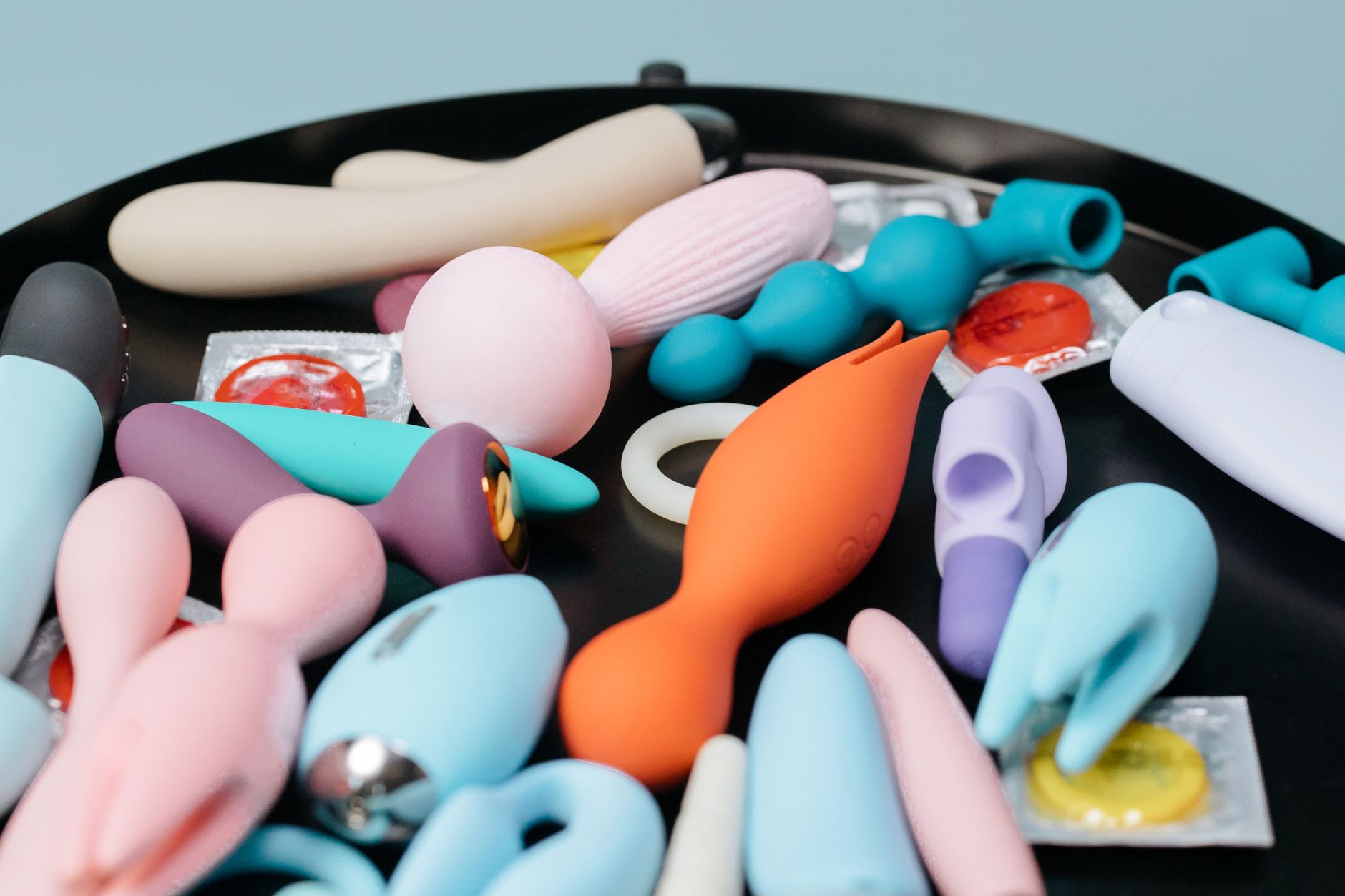
The mismatch nobody talks about
Here's what I hear in session constantly: one partner is ready. The other isn't. And instead of solving it, they just... stop trying. Sex becomes a negotiation neither of them wants to have, and what should be pleasure starts feeling like a chore for someone.
This is one of the most common friction points in long-term relationships, and almost nobody addresses it directly.
Why arousal timing matters more than desire itself
Let me separate two things that people usually lump together. Desire (wanting sex) is different from arousal (the physical response when it happens). You can want sex with someone and still take longer to get physically excited. Or you can be excited quickly but not particularly want it in that moment.
When one partner's body heats up fast and the other's takes 15 minutes to respond, it creates a dynamic where the faster partner feels rejected or the slower partner feels pressured. Both of these kill intimacy faster than anything else.
The real problem isn't the timing difference. It's pretending it doesn't exist.
What a lemon vibrator actually solves here
Lemon clitoral vibrators work through suction, not vibration. This matters because suction stimulates the clitoris without requiring a long buildup of arousal. You don't need to be "already there" for a lemon vibrator to work. The suction itself often triggers arousal, which sounds backwards but is neurologically solid.
This changes the dynamic completely. Instead of "I need you to get excited first," the conversation becomes "We can both enjoy this, on different timelines." One partner can use a lemon sucker while the other gets ready, no pressure, no waiting around feeling like a failure.
I've seen couples use this shift to completely transform their sex life. Suddenly sex isn't a race to see who gets excited first.
The conversation you need to have first
Before you introduce a lemon vibrator to your relationship, you need to name the problem out loud. Not during sex. Not in the moment. Have this conversation over coffee, fully clothed, on a random Tuesday.
Say something like: "I've noticed our bodies respond on different timelines, and I think that's been creating tension. I don't want either of us to feel rushed or left behind. Can we talk about what would actually feel good to you?"
That's the whole conversation. You're not blaming anyone. You're naming a pattern and asking for partnership in solving it.
If your partner gets defensive, that's not about the vibrator. That's about deeper stuff around pleasure, shame, or performance anxiety. How to talk about lemon vibrators with your partner covers this in detail, but the short version: slow down and listen.
How to actually introduce it
Don't surprise someone with a lemon vibrator during sex. That's a violation, even if your intentions are good.
Instead, show them one beforehand. Pass your phone with a Buy Lemon Vibrator product page. Say: "I was reading about how these work differently than regular vibrators. They use suction instead of buzzing. I'm curious if this could help us both feel less rushed. Want to try it together?"
If they're hesitant, ask why. Really ask, not rhetorically. Maybe they feel like it means you're not attracted to them. Maybe they think vibrators are for solo play only. Maybe they're worried it'll replace them. Listen to the actual fear under the hesitation, and answer that. Not the vibrator question. The fear.
The actual mechanics of using it together
When you're both ready to try it, here's what works.
Start slow. You're not trying to rush anyone to orgasm. You're creating a new rhythm together. One partner can use a lemon clitoral vibrator on a lower setting (1-2) while the other uses their hands, or toys, or just their presence. No performance, no pressure.
The magic is that suction stimulation often kickstarts arousal when other methods haven't worked yet. So if you're the faster partner, you might use the vibrator first to bring your partner along. Or if you're the slower one, you can use it to meet your partner halfway instead of making them wait.
Many couples find that once both partners are aroused, they can set the lemon vibrator aside and move into partnered sex. Other couples keep it in the mix. There's no right way. The point is nobody's watching the clock.
Why this works better than other solutions
You could try more foreplay. That's fine, but it doesn't change the underlying issue: one body still responds faster than the other.
You could try scheduled sex. That removes spontaneity and can make sex feel like another item on your to-do list.
You could ignore the problem and hope it goes away. Spoiler: it doesn't.
A lemon vibrator (or any clitoral vibrator, honestly, but suction-based ones are gentler for this particular situation) gives you a third option that doesn't require either partner to slow down or speed up. You're just meeting in the middle with a tool that works with both bodies.
The emotional piece you can't skip
Here's where couples usually mess up: they introduce the vibrator and think the problem is solved. Then they're surprised when tension still shows up.
That's because the timing mismatch wasn't really the problem. It was the shame underneath it. Feeling like you're taking too long. Feeling like you're pushy. Feeling unsexy because your body doesn't cooperate on someone else's timeline.
A lemon vibrator can remove the logistics of that tension, but it doesn't touch the shame. You have to do that separately, in conversation, with compassion for yourself and your partner.
Tell your partner: "Your body isn't broken. My body isn't broken. We're just different, and that's actually fine." Mean it.
When arousal timing points to something bigger
If one partner has zero arousal, or arousal that completely disappeared, a lemon vibrator won't fix that. That's usually pointing to something else: resentment, disconnection, hormonal changes, medication effects, or past trauma.
How to use a lemon vibrator when desire drops after relationship changes goes deeper into that territory. But short version: if arousal is gone entirely, not just slow, you might need a therapist before you need a vibrator.
The setup that actually works
Take the pressure off by making this feel low-stakes. You're not trying to have amazing sex. You're just experimenting.
Set aside time when you're both relatively calm. Not after a fight. Not when you're exhausted. Not on a schedule that feels forced. Light a candle if that helps. Put your phones away.
Start with the lemon vibrator on the lowest setting. You can always turn it up. You can't un-feel intensity that was too much.
Talk during it. "How does that feel?" "Want me to move it?" "Is this speed okay?" Sexy communication is still communication.
And honestly? Your first time might feel awkward. That's normal. The second time gets easier.
The long game
Using a lemon clitoral vibrator together isn't the endpoint. It's a bridge. It gets you to a place where you can both relax and enjoy sex without someone feeling rushed or left behind.
Once you're there, you can do whatever you want. Use it, don't use it, use it sometimes. The point is the option exists, and both of you know you're in it together.
That's what actually solves the arousal timing mismatch: not a tool, but the willingness to admit the problem exists and solve it as a team.
People also ask
Can we use a lemon vibrator if we've never used toys before?
Absolutely. A lemon sucker is actually gentler than traditional vibrators, which makes it a solid entry point for couples. Start on the lowest setting and treat it like you're both learning something new together. It's less intimidating than you think.
What if my partner thinks a vibrator means I'm not attracted to them?
That's the conversation to have before you introduce the toy. Say something like: "I'm attracted to you. I also want us both to feel good without pressure. This is a tool to help us connect, not a replacement for you." If they still feel replaced, that's worth exploring with a couples therapist, because it usually points to deeper insecurity.
Does using a lemon vibrator together ever feel awkward?
Yes, probably the first time. That's okay. Awkwardness usually melts once you both laugh about it and remember you're on the same team. If it stays awkward after a few tries, check in on whether there's resentment or disconnection hiding underneath.
How often should we use a lemon vibrator if we're trying to fix arousal timing?
There's no magic frequency. Some couples use it every time they have sex for a while, then phase it out once they're both more comfortable with their different timelines. Others use it occasionally. The point is it's available when you need it, not a requirement.
What if one of us gets addicted to the vibrator and doesn't want sex without it?
That's uncommon, but if it happens, it usually means something else is going on. Either the vibrator is the only thing that actually feels good (which points to arousal issues that need real attention), or using it together became the safe way to have sex and now regular sex feels risky. Talk about it directly. "I notice we only want sex with the vibrator now. What's that about?"
Is a lemon vibrator better than traditional vibrators for couples?
Lemon clitoral vibrators use suction instead of buzzing, which many people find easier to build arousal with, especially if arousal is slow or inconsistent. They're also gentler on sensitive tissue. That said, what matters most is what works for your bodies and your dynamic. How lemon vibrators compare to traditional vibration for clitoral pleasure breaks down the actual differences if you want the technical details.
The real fix
Arrousal timing mismatches aren't relationship problems waiting to happen. They're just a thing that bodies do. Some people heat up fast. Some take longer. Both are normal.
A lemon vibrator can absolutely help bridge that gap and take pressure off both partners. But the real fix is the conversation you have before you use it. That's where the actual intimacy building happens.
Your partner's body isn't wrong for taking longer. Your body isn't pushy for being ready first. You're just different, and that's completely workable.
If you want to explore using a lemon vibrator together but aren't sure how to start the conversation, reach out. I can help you figure out how to frame it in a way that feels safe for both of you.