Here's the trade-off nobody explains
Antidepressants work. They quieted the noise in your head, steadied your mood, gave you your life back. And then somewhere around week four, you noticed: nothing feels like much of anything down there. Not in a "I'm sad about it" way. In a genuine numbness way. Touch that used to light you up feels like static. Orgasms, if they happen at all, feel distant and muted. You didn't lose desire. You lost sensation.
This isn't a side effect you imagined. It's one of the most common and least discussed consequences of serotonin reuptake inhibitors, and it's not your fault, not your relationship's fault, and not something you have to accept forever.
Why SSRIs quiet pleasure in the first place
Serotonin regulates mood, but it also regulates arousal, genital blood flow, and orgasmic response. When an SSRI raises serotonin levels, it steadies your baseline mood but can suppress the neurochemical cascade that builds arousal. The effect isn't always proportional: some people notice nothing. Others lose almost all sensation within weeks.
The irony is brutal. You took the medication to feel better. Now you feel less.
Here's what's actually happening: SSRIs don't erase the nerve endings in your clitoris. They don't damage the tissue or change the wiring. They muffle the signal. Think of it like lowering the volume on your nervous system's response to touch. The input is still there. The receiver just turned down.
What a lemon vibrator does that regular vibration doesn't
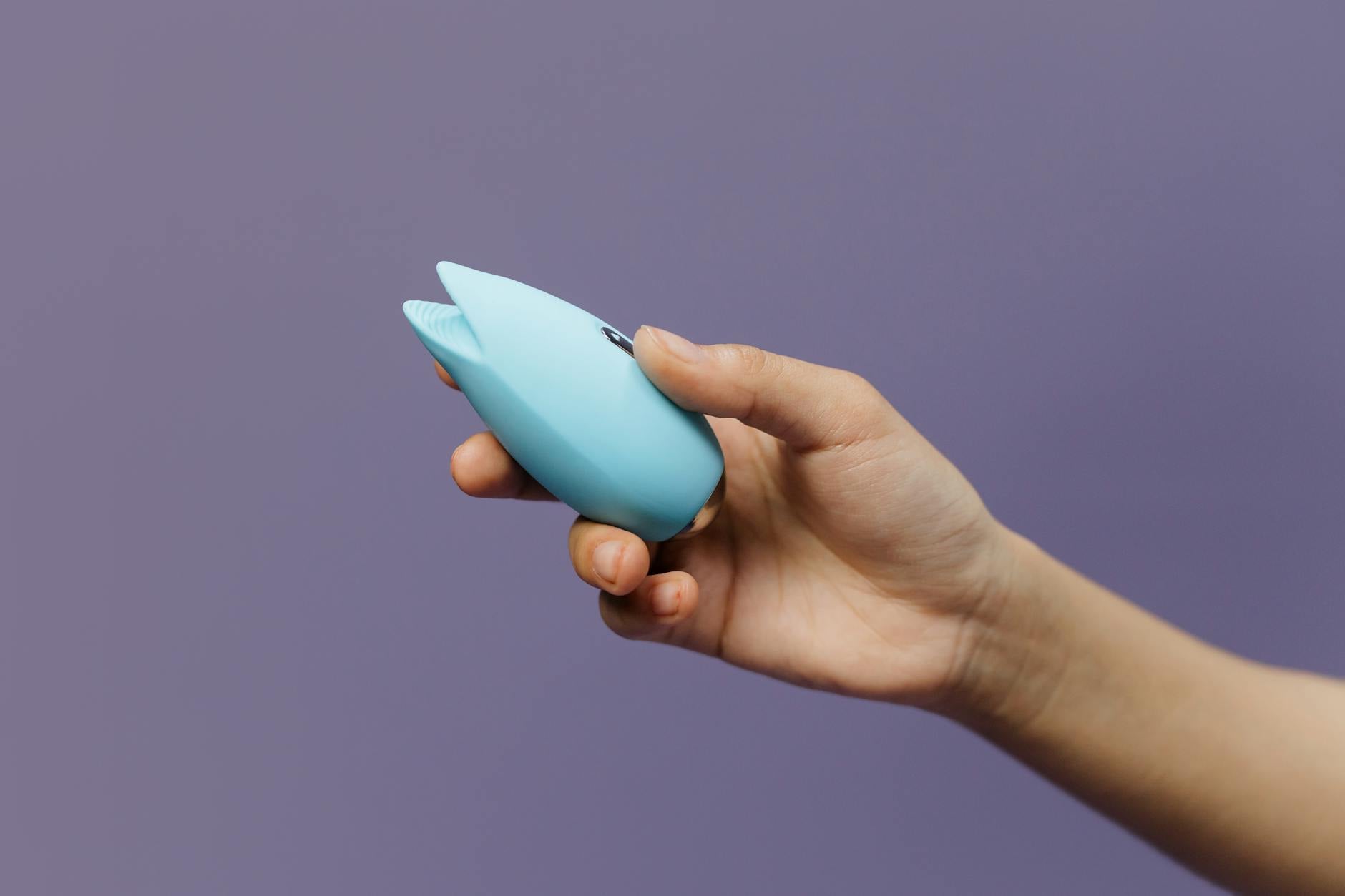
Most vibrators rely on speed and repetition to build sensation. If your nervous system is already muffled, faster just means more of the same nothing. Lemon clitoral vibrators like the Lem work on suction and pulsing rhythm instead. That's a fundamentally different stimulus.
Here's the practical difference: suction creates pressure waves rather than surface friction. It stimulates deeper nerve clusters around the clitoral body and bulbs, not just the surface. For someone whose sensation is dampened, this deeper input often reads louder to the nervous system than traditional vibration does.
I've worked with dozens of clients on SSRIs who'd given up on pleasure entirely, tried everything, and then found that a lemon vibrator suddenly woke something up. Not overnight. But noticeably. The reason isn't magic. It's just that suction targets a different sensory pathway than the one the medication is muffling.
Building sensation back step by step
Don't expect to feel everything on day one. Numbness after months on an SSRI isn't solved in a single session. But there's a practical progression:
Week one: Just attention. Use a lemon clitoral vibrator for five minutes at the lowest setting. Don't chase an orgasm. Notice what you do feel, even if it's subtle. Pressure. Mild warmth. A sense of presence. Write it down.
Week two: Longer sessions. Extend to 10-15 minutes, same low setting. Your nervous system is relearning how to signal pleasure. Repetition matters.
Week three: Rhythm exploration. Move to pattern two or three if your Lem has them. Pay attention to which pattern creates the most noticeable sensation. You're mapping your own sensitivity.
Week four onward: Build from there. Once you've located sensation, you can gradually increase intensity and time. You're training your nervous system to re-engage, not overwhelming it.
The timeline varies wildly. Some people notice shifts in two weeks. Others take three months. The medication isn't going anywhere, so patience actually works in your favor.
Talk to your doctor, but not about this
If sexual side effects are ruining your quality of life, your prescriber needs to know. Not because they'll tell you to stop (never stop an SSRI cold). But because there are actual clinical options: switching to a different SSRI that causes fewer sexual side effects, adding bupropion to counteract numbness, or adjusting timing (taking your dose after sex rather than before, if your doctor agrees).
What I'm not saying: that a lemon vibrator replaces medical conversation. What I'm saying: sensation work can happen in parallel. You can explore rebuilding pleasure while your doctor explores whether medication adjustments make sense.
Lubrication plus suction equals faster sensation return
Numbness often comes with reduced natural lubrication (another SSRI side effect). Water-based lube isn't a workaround for numbness, but it removes friction, which means the suction stimulus travels better and feels cleaner.
Try this: apply lube, use your lemon vibrator at the lowest setting for just two or three minutes, pause, notice what sensation is present. The lube helps the suction create a better seal and more distinct pressure wave. For numb sensation, that distinction often matters.
Solo is the place to start
If you have a partner, resist the urge to make this a couples project yet. Pleasure recovery when sensation is muted works better without performance pressure. Alone, with your lemon clitoral vibrator, you can attend to subtle signals without worrying about someone else's timeline or satisfaction.
Once you've rebuilt some sensation on your own (usually 4-8 weeks), you can reintroduce a partner, and it'll feel less like you're trying to fake it and more like you're actually present.
When to consider other medical angles
If you're three months into consistent use of a lemon vibrator and sensation still hasn't shifted at all, another conversation with your doctor makes sense. Sometimes numbness isn't purely pharmacological. Thyroid changes, vitamin deficiencies, or other underlying conditions can layer on top of medication side effects and need their own treatment.
But most people find that patient, consistent exploration with a clitoral vibrator shifts something within 6-12 weeks, even if the medication stays exactly the same.
The real win
You don't have to choose between mental health and physical pleasure. The medication did what it was supposed to do. Your nervous system just needs a different kind of invitation to wake back up. Lemon vibrators, used consistently and without pressure, often provide exactly that.
You deserve both. Stability and sensation. The work is just learning how to ask for them at the same time.
People also ask
Can I use a lemon vibrator while taking SSRIs?
Completely safe. There are no interactions between clitoral vibrators and any antidepressant medication. The concern isn't safety. It's that if your sensation is already muffled, regular vibration might not be enough stimulus. Lemon clitoral vibrators use suction instead, which often reaches through that numbness more effectively. Always use lube to reduce friction and make the suction stimulus clearer.
How long does it take for an SSRI to stop killing your libido?
Libido (desire) and sensation (the ability to feel pleasure) are different things. Some people's desire bounces back in weeks after starting an SSRI, while their sensation takes longer. Others lose desire and never fully recover it without medication adjustment. There's no universal timeline. What matters is consistency: if you're using a lemon vibrator regularly and attending to small shifts in sensation, you're retraining your nervous system. Most people notice measurable change within 8-12 weeks.
Is a lemon vibrator better than a traditional vibrator for numbness?
For many people, yes. Suction stimulates different nerve pathways than vibration does. If your sensation is dampened, suction often reads as a "louder" signal to your nervous system. That said, everyone's wiring is different. The best way to know is to try. Many people find that a lemon sucker creates breakthrough sensation when conventional vibrators feel like nothing.
Should I tell my partner I'm using a lemon vibrator to deal with numbness from my medication?
That depends on your relationship and your comfort level. Some people find it helpful to be honest: "My medication is affecting sensation, so I'm using a vibrator to help my body re-engage." That framing is medical, not judgmental. Others prefer to keep pleasure practices private until sensation is back and the conversation feels less clinical. There's no wrong choice. How to Use a Lemon Vibrator With an Anxious Partner Who Needs Reassurance covers how to navigate that conversation if you choose to have it.
Can I switch SSRIs to fix sexual side effects?
Possibly, but only your prescriber can make that call. Some SSRIs cause fewer sexual side effects than others. Bupropion (Wellbutrin) actually improves sexual function in some people. But switching medications isn't a light change. You'd likely taper one and adjust to another over weeks or months. If sexual side effects are severe enough that you're considering a switch, that conversation is absolutely worth having with your doctor. In the meantime, exploring sensation with a lemon vibrator can happen in parallel.
What if I feel nothing even with a lemon clitoral vibrator?
Then several things might be true: your numbness is quite severe, you need more time (sensation can take 8-12 weeks to return), or there's another factor at play (thyroid, other medications, relationship stress). Start with your doctor. Mention the lack of sensation and ask about timing (could you take your SSRI at a different time of day?), dosage, or switching. In the meantime, keep using the lemon vibrator at low intensity. You're not failing. You're gathering data about what your body needs.
What happens next
Sensation isn't a light switch. It's a dial, and it turns slowly. But it does turn. The combination of time, consistent exploration, and a tool like a lemon vibrator that reaches past numbness in a different way usually works.
Your mental health matters. Your pleasure matters too. They can coexist.
If you're struggling with this, reach out. We can talk through what might help in your specific situation.