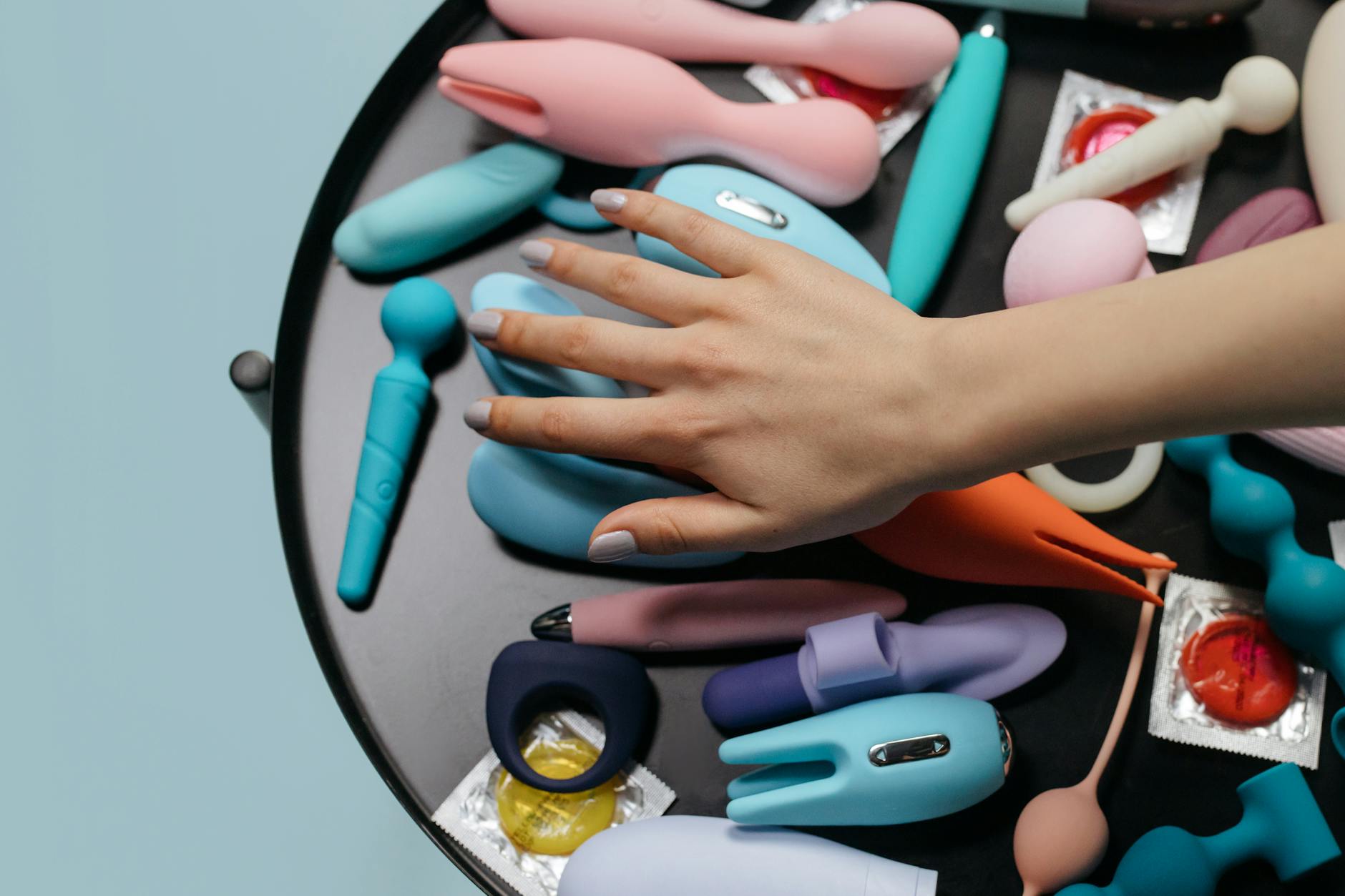
Let's address the elephant first
You're nervous because you think introducing a lemon vibrator means admitting you're unsatisfied. That's the lie your brain is telling you. What you're actually saying is: I want more pleasure, I want us to explore together, I trust you enough to be vulnerable about this. Those are not small things.
Most couples don't talk about toys because they think it requires a formal dinner conversation where someone gets hurt. It doesn't. Here's how to do it without the awkwardness.
Why the conversation feels harder than it is
There's a gap between what you think will happen and what actually happens. You imagine rejection, weirdness, accusations. Your partner imagines you're bored with them. Meanwhile, what both of you actually want is the same thing: better sex together.
The reason this conversation feels impossible is because most of us were taught that wanting toys means something is wrong. Wanting a lemon clitoral vibrator doesn't mean your partner isn't enough. It means your body has pleasure preferences, the same way you might prefer one restaurant over another. Both are good. One is just better for this specific thing.
Once you untangle that knot, the conversation becomes vastly simpler.
The setup matters more than the script
Timing is everything. Don't bring this up during sex, right after sex, when you're frustrated, or when either of you is stressed about something else. The worst time is when you're already feeling disconnected. The best time is when you're already close.
That might be a quiet Sunday morning. It might be after you've had a good week together. It might be during a walk where you're naturally talking about relationships. The point is: choose a moment when you both feel safe and connected, not a moment when one of you is defensive.
Pick a setting where you won't be interrupted. Your bed is fine. Your couch is fine. The car during a long drive is actually ideal because you're not making eye contact, which paradoxically makes these conversations easier.

Photo by cottonbro studio on Pexels
The words that actually work
Start with honesty about what you want, not what's wrong. Here are real openers that work:
"I've been thinking about ways we could explore pleasure together. Would you be open to that conversation?"
"I've been curious about trying something new in bed. Nothing's missing, I just want to experiment."
"I've heard good things about clitoral vibrators, specifically lemon vibrators. I'm interested in trying one together if you are."
Notice what these have in common: they're direct, they don't apologize, and they invite your partner into the decision rather than announcing it's happening. You're saying "with you" not "to you."
Avoid:
"I need this because you're not doing enough." (Blame kills openness.) "Every woman uses toys now." (Peer pressure language backfires.) "I watched this video and..." (Leads with technology, not connection.) "We should probably get a vibrator." (Vague and formal.)
What your partner might actually say back
There are a few common responses, and here's what they usually mean:
"I thought I was enough." Translation: I'm scared you're bored with me. Your response: "You are. That's why I want to explore this with you. It's about us having more fun together, not about you being replaced."
"That's weird." Translation: I'm uncertain about this and need permission to be curious. Your response: "I thought so too before I started thinking about it. Want to try it and see?"
"I'd feel strange using it." Translation: I'm worried about looking silly or losing control. Your response: "We don't have to use it together at first. I could explore with it, and you could watch if you want to. Or we figure it out together."
"Let's think about it." Translation: Yes, but I need time. Your response: "Sure. No rush."
The key is not arguing your case. You're not trying to convince them lemon vibrators are objectively amazing. You're saying: I'm interested in this, I want to include you, and I respect your feelings about it.
Bringing a lemon vibrator into the bedroom (when they say yes)
Start small. Don't make it the center of attention. Introduce it the way you'd introduce anything new into sex. Some people like to play with it separately first, then bring it into partnered sex. Others prefer to explore it together from the start.
If you're using a lemon clitoral vibrator like the models from Buy Lemon Vibrator, start on a lower setting. Let your partner see how it works if they're curious. Some partners love watching you explore pleasure. Some prefer to focus on penetration while you use it. Some want to take turns holding it. There's no script for this part.
The reassurance that helps most: "This isn't replacing you. This is adding to what we do together."
That's not lip service. It's true. Clitoral vibrators don't replace partnered sex. They enhance it. When you're more aroused, more relaxed, closer to orgasm, partnered sex is usually better for both of you.
What to do if they're hesitant even after saying yes
Some partners say yes but freeze when the toy actually appears. This is normal. You're asking them to do something unfamiliar. Give them space to adjust.
You might say: "We can just look at it first. No pressure to use it today. I want you to feel comfortable."
You might also ask what specifically feels uncomfortable. Is it the toy itself? The idea of you having pleasure without them? Feeling like they're not enough? Each answer needs a different conversation. How to Introduce a Lemon Vibrator to Your Partner When They Think Toys Mean They're Not Enough walks through the deeper reassurance work.
If they genuinely don't want it in partnered sex, you have options: use it solo. Use it when they're not home. Use it sometimes, but not always. This isn't a dealbreaker unless you make it one.
The conversation after the conversation
Once you've actually used a lemon vibrator together, follow up. Not formally. Just ask what they thought. What felt good. What felt weird. What they'd want to do differently next time.
Prioritize feedback over excitement. Your partner's comfort matters more than your novelty. If something made them feel insecure, address it directly. If something felt amazing, do it again.
This is also how you avoid mismatched sexual interest. You're building a conversation about pleasure instead of letting assumptions live in silence.
The thing nobody tells you
Most partners whose partners bring up toys feel relief. Relief that there's a solution for what felt like a problem. Relief that the conversation happened and it wasn't a disaster. Relief that they get to have more pleasure too.
The awkwardness you're imagining is almost always smaller than the actual conversation. And after? Most couples say it opened a door that had been locked.
People also ask
Is it normal to want to use a lemon vibrator if you're in a long-term relationship?
Completely. Long-term relationships often benefit from novelty and exploration. Introducing a lemon clitoral vibrator isn't a sign of a dying relationship. It's often a sign of one that's secure enough to evolve.
What if my partner suggests using a vibrator and I'm the hesitant one?
The same conversation applies in reverse. Be honest about what makes you hesitant. Is it body image? Feeling inadequate? Worry that things will change? Name it. Your partner probably has fears too. You're both human.
How do I know if my partner will be open to this?
You don't until you ask. But people are usually more open than you think. The fact that you're in a relationship where you want to explore together is already a good sign.
Should I buy the lemon vibrator before the conversation or after?
After. Make the purchase a joint decision. You might discover your partner has preferences about size, intensity, or material. Buying it together also makes them feel included rather than surprised.
What if they say no and mean it?
Then you have a choice: you can use it solo, or you can let it go. But most people who say no initially come around once they see their partner enjoying it. They feel less threatened when it's not a surprise.
How do I bring this up if we haven't talked about sex openly before?
Start even smaller. Ask what they like about your current sex life. Ask what they've been curious about. Build the conversation in steps instead of dropping the toy talk as a first move. Curiosity is your opening. "I've been thinking we could have more fun together. What does that look like to you?" opens the door without the vibrator already on the table.
The closing bit
Introducing toys isn't about fixing a broken relationship. It's about deepening a good one. The conversation feels big because vulnerability feels big. But on the other side of it, most couples say it was the easiest hard conversation they've had.
Your partner probably wants you to feel good. They probably want to feel good too. A lemon vibrator is just a tool for both of those things to happen. Once you believe that, the words come easier.